
It’s been a hectic week, but you finally have a night to yourself. You settle in front of your TV with your favorite meal.
You take the first bite, but something feels wrong. The food is stuck in your throat, and it’s not moving. You try coughing, but nothing happens. You try to call out, but no sound escapes your mouth.
You’re choking. And if you don’t act fast, this situation can turn deadly in minutes.
This is how to survive choking.
Choking happens when an object becomes stuck in your throat and blocks your airway. If the blockage is complete, oxygen can’t reach your lungs.

When you breathe in oxygen, your lungs transfer it into your bloodstream, where red blood cells carry it throughout your body. Without that oxygen flow, your organs begin to shut down.
This leads to asphyxiation, meaning your body is being deprived of oxygen.
If oxygen deprivation continues, you can lose consciousness. When that happens, your brain may stop receiving enough oxygen to function properly. This condition is known as cerebral hypoxia.
Without quick action, it can lead to severe brain injury or death.
Choking is one of the leading causes of accidental death worldwide, resulting in thousands of deaths every year. That’s why knowing what to do in these moments is critical, whether it happens to you or someone else.
If you ever find yourself in this situation, several urgent questions matter:
How long can you survive without oxygen? Why can a chair become a life saving tool? How can your own fists help you breathe again?
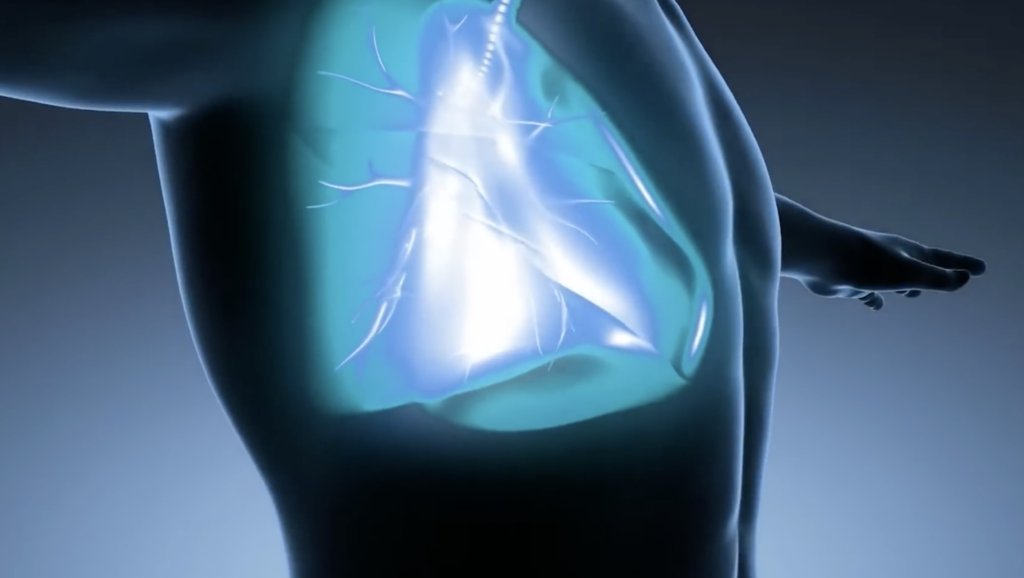
Choking can be terrifying because there is no easy way to reach into your throat and remove the blockage. So what can you actually do?
Step 1: Recognize the Emergency
Choking can happen at any age, and recognizing it quickly is crucial.
Common signs include someone clutching their throat with both hands, a universal signal of choking distress. If you are alone, you may instinctively grab your own throat while trying to cough.
Other signs include inability to speak, laugh, or cough, as well as wheezing or silent breathing attempts.
A person may also turn very red at first, and then their lips or face may start turning blue as oxygen levels drop.
Children are especially difficult because they may not understand how to signal distress, so changes in breathing and skin color can be the earliest warning signs.
Step 2: Act Fast and Use Your Own Body
If you are alone and choking, panic can set in quickly, but there are a few methods you can try immediately.
First, try to cough forcefully. A strong cough can sometimes dislodge the object.
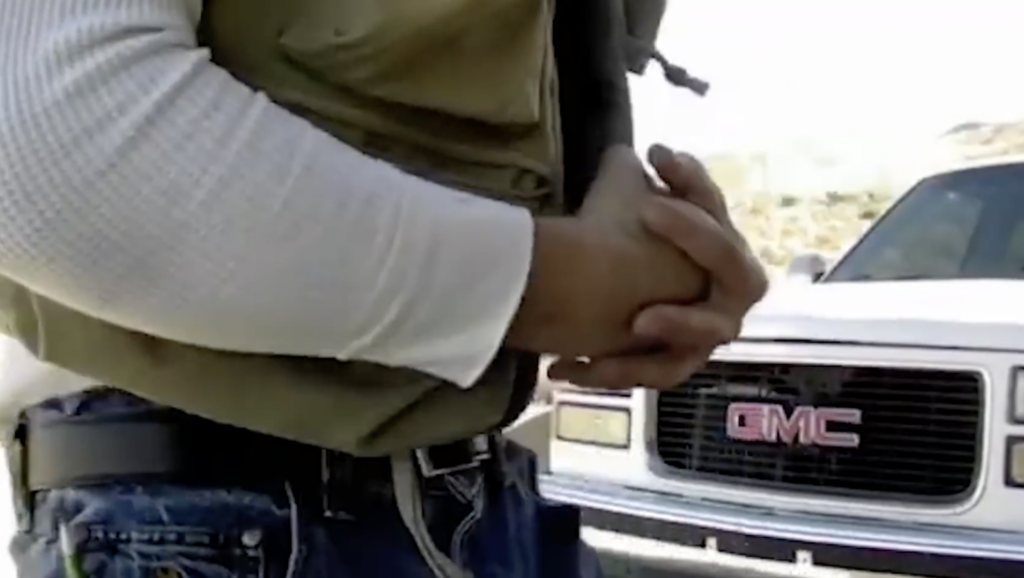
If that does not work, make a fist and place the thumb side just above your belly button and below your ribcage. Place your other hand over your fist and push inward and upward with strong, repeated thrusts.
This creates pressure on your diaphragm, forcing air upward in an attempt to expel the blockage.
If that still does not work, you can use a firm object like a chair. Lean your upper abdomen over the back of a sturdy chair or countertop and push downward sharply. This can mimic abdominal thrusts and may help force the object out.
Step 3: Time Is Critical
When choking begins, your body still has a small reserve of oxygen in your lungs. However, this only lasts about four to six minutes before brain damage can begin.
After about ten minutes without oxygen, brain damage becomes irreversible. This is why early recognition and immediate action are essential. Every second matters.
Step 4: Helping Someone Else Who Is Choking
If you see another person choking, there are proven emergency techniques that can save their life.
One common method is the Five and Five approach.
First, give five firm back blows between the shoulder blades while the person is bent forward. Then, perform five abdominal thrusts, known as the Heimlich maneuver.
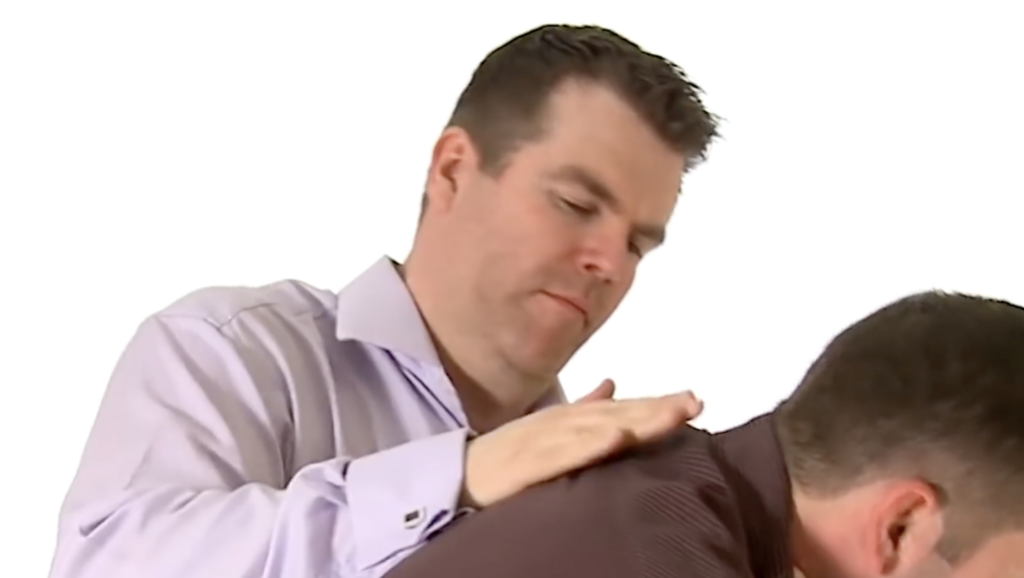
To perform it, stand behind the person, wrap your arms around their waist, make a fist, place it just above the belly button, and thrust inward and upward sharply.
These actions may help dislodge the blockage and restore breathing.
Special care is needed depending on the person. For pregnant individuals or people with obesity, thrusts should be directed higher, at the base of the breastbone instead of the abdomen. For small children, back blows and chest compressions should be done carefully and gently.
Step 5: Prevention Matters
The best way to deal with choking is to prevent it in the first place. This includes cutting food into small pieces, chewing slowly and thoroughly, and avoiding eating while distracted.
For households with children, small objects such as coins, marbles, pen caps, and batteries should always be kept out of reach.
Simple habits during meals can significantly reduce the risk and keep the airway safe.