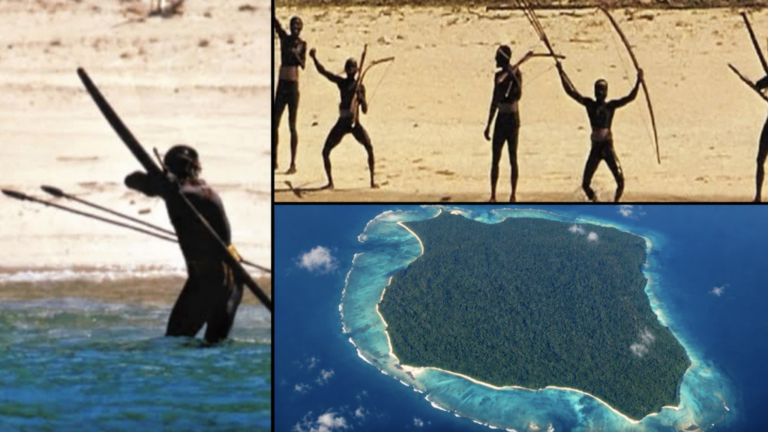
North Sentinel Island is a place which still seems to be almost entirely unknown to the rest of the world. It is situated among the Andaman Islands of India and is the home of the Sentinelese, one of the most isolated Indigenous groups in existence. Very few people are permitted to get near the island and Indian law makes it strictly illegal for outsiders to visit it. However, in 2018 an American man chose to disregard those rules and paid a local fisherman to take him there instead.
The journey was made at night, with the aim of remaining unseen from the patrol boats which were monitoring the waters around the island. They could have come to serious legal trouble if they were caught. Nevertheless, they went on to a place which very few people outside had ever seen.
The man in question was John Allen Chau, an American missionary who had for many years been considering the idea of making the trip. He had spent a great deal of time reading the few reports that were available on the Sentinelese and had been attempting to get a understanding of the people who live on the island. The knowledge he had was based on only a small number of encounters and observations, which meant that the tribe remained one of the least understood communities in the world.
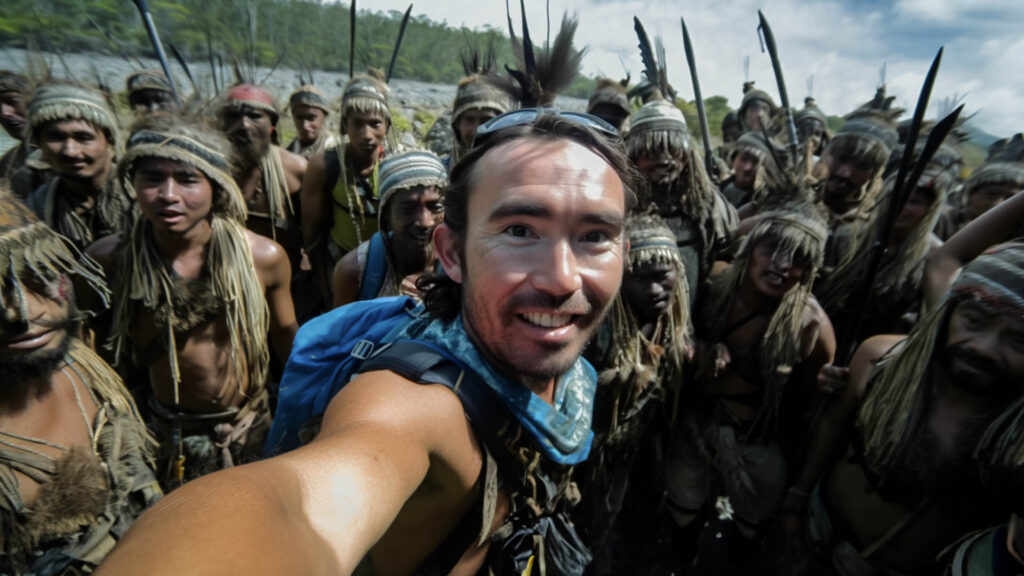
No one knows their language, origin or real name, but one thing is for sure: they are fierce and hostile to outsiders. They were known to attack and kill intruders on more than one occasion. Despite this, John was obsessed and would have done anything to make contact with the tribe.
In a daring maneuver, John and the fisherman evaded the military patrol and approached the coast before John continued on his own in a kayak. When he landed on the island, he was met with hostility. Despite attempts to offer gifts to the locals and to mimic their language, the situation escalated to the point where arrows were fired at him. He wasn’t scared off, though. He went back to his boat, planning to give it another shot the next day, even knowing it could be super dangerous. Sadly, it turned out to be just that.
Authorities say the 26-year-old was killed possibly by bow and arrow on what police described as a misplaced adventure in a highly restricted area.
How did this unwanted tourist spend his last hours? Why was he so obsessed with this tribe? And what was the mistake that cost him his life?
North Sentinel covers an area of just 72 square kilometers (28 square miles), just slightly bigger than the island of Manhattan. Its small size made it unattractive to European colonizers, unlike the rest of the Andaman Islands.
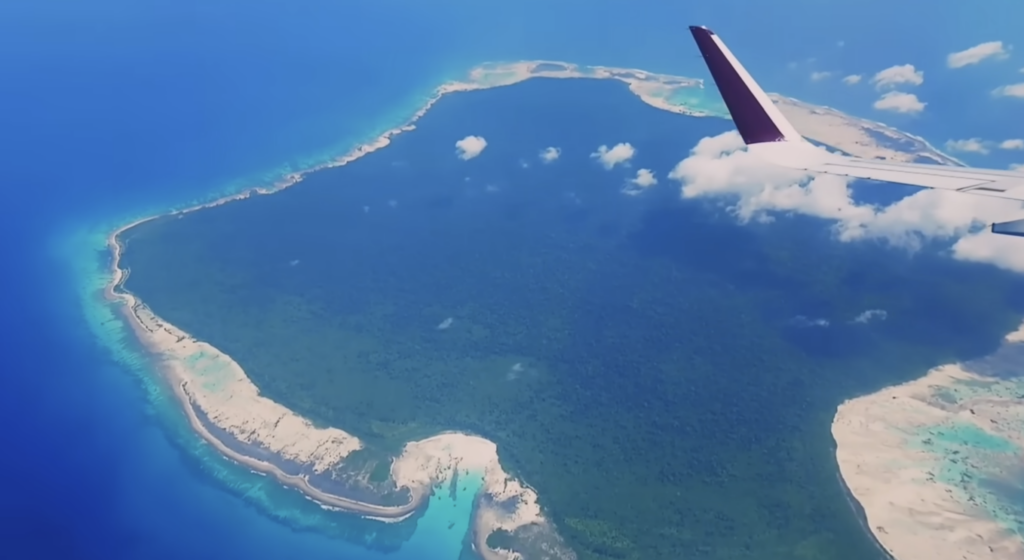
In the 19th century, British colonial authorities in India established a penal colony at Great Andaman, a few kilometers from North Sentinel. The natives immediately started dying from diseases to which they had no immunity. Fortunately, the North Sentinel people were not affected.
Very little is known about them, but because of their dark skin and small size, it’s possible that they had arrived on the island during the first African migrations, around 60,000 years ago, and that due to isolation, they continue to live in very primitive conditions. They are thought to survive by hunting wild boar and bow fishing, but some extraordinary accounts have accused them of cannibalism.
In the 13th century, the famous Venetian explorer Marco Polo described them as a “violent and cruel” people that would “eat everybody they catch.” While their cannibalism has never been proven, they are not strangers to killing. In 2006, two fishermen who were suspected of poaching in the protected waters surrounding North Sentinel drifted ashore on the island.
Another fisherman witnessed how the Sentinelese killed them with homemade axes and buried them on the beach. All attempts to recover the bodies were met with violence by the Sentinelese tribe. The fishermen were left there.
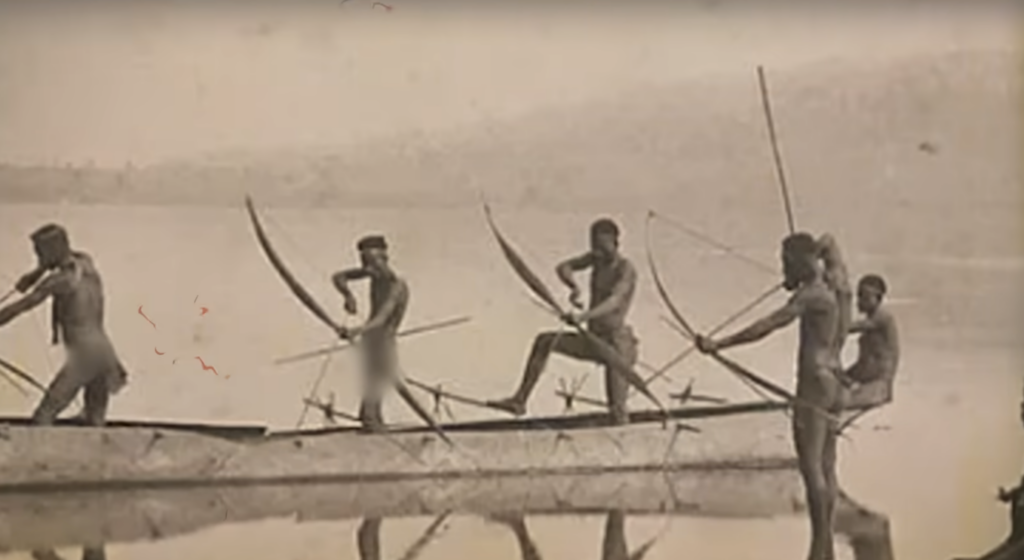
The island is protected under the Aboriginal Tribes Act of 1956. It forbids anyone entering the island or even getting closer than 10 km (6 mi) from it. This protects the Sentinelese from modern diseases. It also keeps potential visitors from being attacked. Even though he knew the law, John planned his journey for nearly a decade. A journey he hoped would culminate with the translation of the Bible into the Sentinelese language.
John was a devoted Christian missionary, committed to bringing Jesus to everyone in the world who hadn’t heard of him. But why was he so obsessed with the Sentinelese?
According to a New York Times investigation, he learned of their existence in high school while reading “The Joshua Project,” a missionary website where the Sentinelese are presented as the most “unreached” people on the planet. A great challenge for an enthusiastic young missionary.
He began preparing for the trip, receiving medical training, toughening up with long outdoor outings and four scouting trips to the Andaman Islands that began three years before his final expedition.
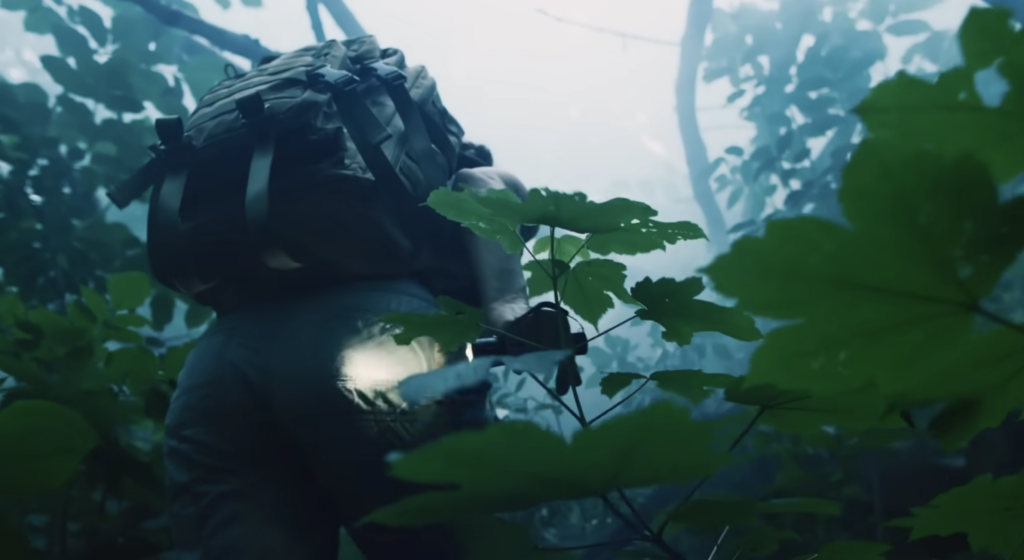
Finally, on November 14, 2018, he bribed a sneaky fisherman to smuggle him into the island. They arrived the next day, but he wasn’t able to make contact. He was forced back by arrows and yells. The lesson here is that if an isolated, almost uncontacted tribe is shooting arrows at you, you should leave them alone. But John returned the next day.
Before getting off the boat the next day, he wrote a note to his parents in his diary. After the violent reception he had, he knew he could be killed, but he asked them not to be angry with the Sentinelese. There is no account in his diary of his experience on November 16, but on the night of November 17, when the fisherman returned to check on him, he saw the Sentienlese people dragging John’s corpse along the beach.
Following John’s death, the fisherman was imprisoned, and the authorities had to consider whether to charge the tribe with the murder. So far no one has been charged, and his body has not been recovered.
Driven by his faith, John Allen Chau broke local laws, ignored the Sentinelese tribe’s desire to remain uncontacted, and involved others in his illegal journey. Unfortunately, he also put the tribe at risk, as they don’t have immunity to the modern diseases we carry.