Jeremy Sutcliffe thought the most dangerous part of his encounter with a rattlesnake was already over.
In 2018, Jeremy was working in his backyard when he suddenly heard his wife, Jennifer, screaming from the other side of the property. He rushed toward her and immediately realized why she was terrified.
A rattlesnake had cornered Jennifer against the wall of their house.
Jeremy grabbed a shovel and tried to move the snake away, but the reptile became increasingly defensive. With his wife trapped nearby, he decided he had no choice but to stop the animal.
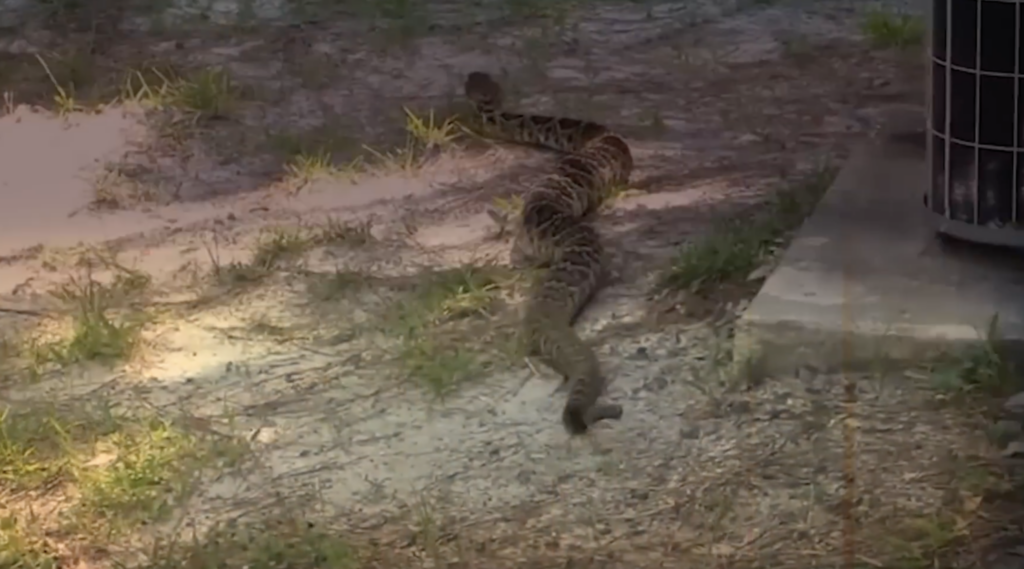
He raised the shovel and severed the snake’s head.
Jennifer went inside to recover from the frightening encounter, while Jeremy returned to cleaning the yard. As far as he was concerned, the threat was over.
It wasn’t.
A few minutes later, Jeremy decided to remove the dead snake. Instead of touching it directly, he picked up a nearby stick and attempted to move the snake’s head.
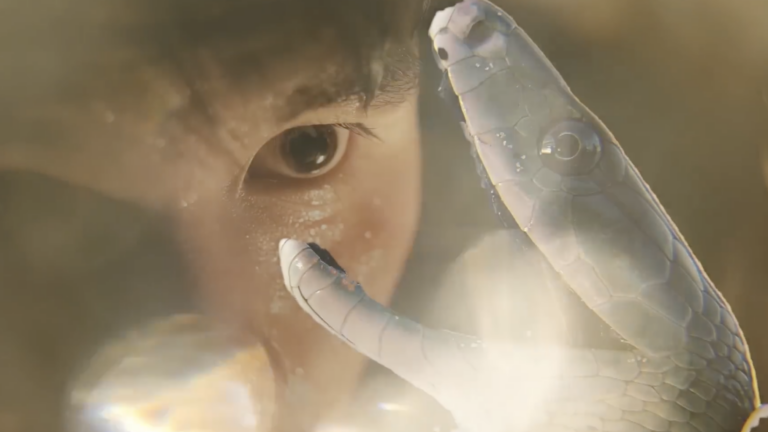
Then it suddenly moved. The severed head lunged toward his hand and sank its fangs into him.
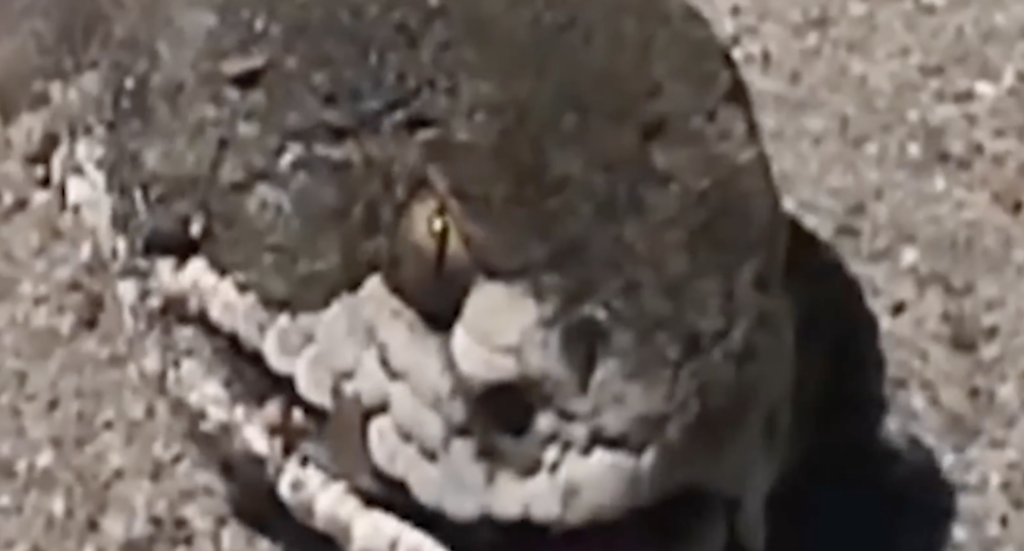
The jaws clamped down tightly, leaving Jeremy struggling to free himself. Despite having been separated from its body, the snake’s head was still capable of delivering venom through its fangs.
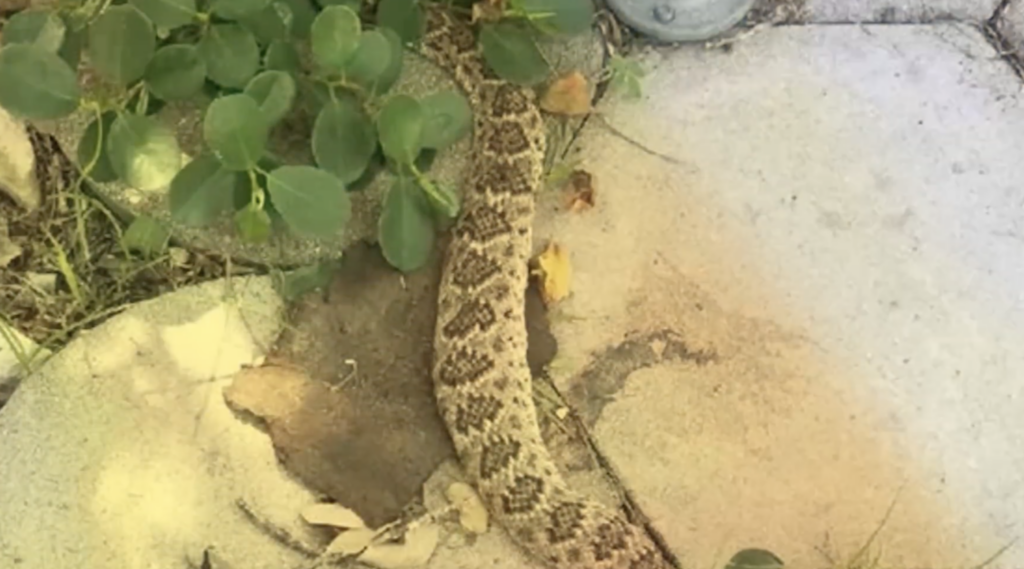
Jeremy desperately tried to pull it away, but the head remained attached to his hand.
The situation became even more terrifying when one of the fangs shifted and pierced another area of his hand. More venom was injected as he struggled to escape.
Jeremy screamed for help.
Jennifer heard him and rushed outside. She immediately realized that something was seriously wrong when she saw the snake’s head still attached to her husband’s hand.
Fortunately, Jennifer was a trained nurse.
She understood that Jeremy needed emergency medical treatment and antivenom as quickly as possible. She got him into the car and contacted emergency services to determine where he could receive the appropriate treatment.
The nearest suitable hospital was far away, creating another problem.
Jeremy had received a potentially dangerous dose of rattlesnake venom, and his condition could deteriorate rapidly. Eventually, he was transported by air to a hospital where doctors administered antivenom.
He survived the bite.
But the incident demonstrated something most people would never expect. A snake does not necessarily become harmless the moment its head is separated from its body.
Reptiles have different physiological characteristics from mammals, including slower metabolisms and lower oxygen requirements. As a result, certain reflexes and muscle activity can continue after severe injury or even decapitation.
That means a recently severed snake head can still present a serious danger.
Similar incidents have been reported elsewhere. In 2014, a chef in China was reportedly bitten by the head of a spitting cobra roughly 20 minutes after he had decapitated the animal while preparing it for food. He later died after suffering the effects of the venom.
Jeremy was luckier.
His wife recognized the emergency, medical professionals located the necessary treatment, and he ultimately received antivenom in time.
The terrifying lesson from his experience is simple.
A snake that appears dead may still be capable of biting. Anyone who encounters a venomous snake should avoid handling it, even if it appears lifeless. Jeremy had already removed the danger from his backyard. Then he made the mistake of assuming the danger was completely gone.
The snake may have been dead, but its final bite nearly killed him.