They say doomsday is near. But you have been safe in your bunker for months, far away from the chaos outside.
At first, isolation felt like protection. Now your body tells a different story. Your bones ache. Sleep has become irregular. Your mood is slipping lower each day.
Staying away from the outside world did not keep you completely safe after all.
Here is how to survive without sunlight on Earth.
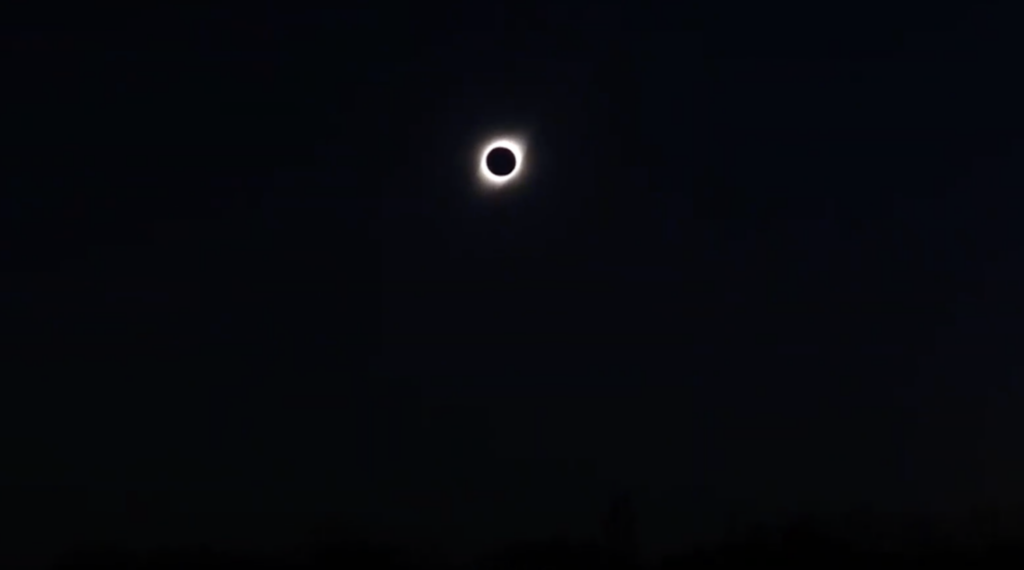
Sunlight is essential for human health because it helps your body produce vitamin D. This is not just a vitamin, but a hormone that allows your body to absorb calcium and phosphorus, which are critical for strong bones and overall function.
Without sunlight, your risk of health problems increases. This includes high blood pressure, diabetes, autoimmune disorders, and in children, a serious condition called rickets that can damage bone development.
So what happens when sunlight is gone completely?
Step 1: Mimic natural sunlight
Your body runs on a 24 hour internal clock called the circadian rhythm. It depends heavily on light and darkness to regulate sleep, alertness, and hormone production.
When light enters your eyes, your brain produces signals that increase alertness. When darkness falls, melatonin is released to prepare your body for sleep.
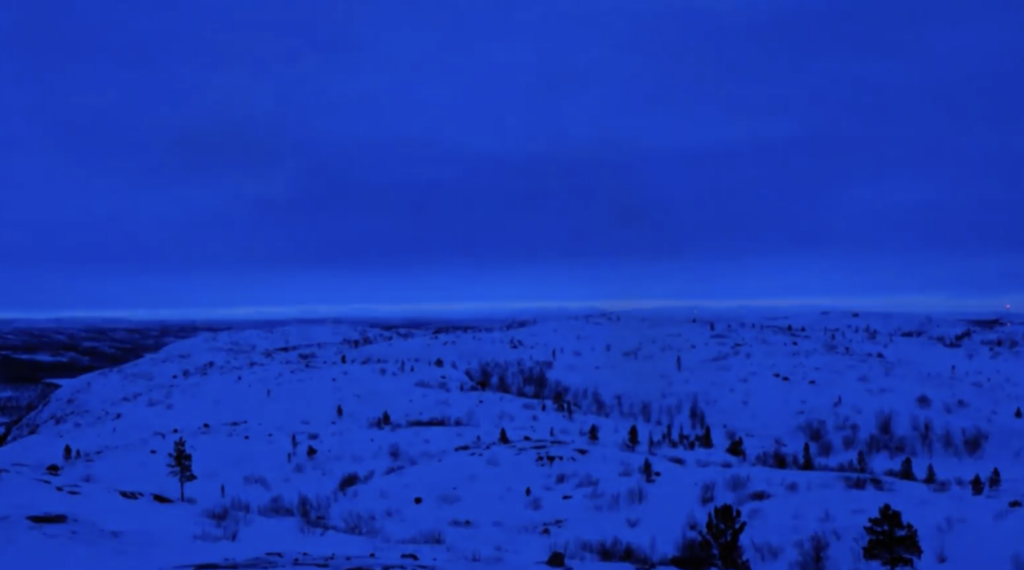
Without sunlight, this system breaks down. You may feel awake at the wrong times or struggle to sleep entirely.
To fix this, use bright artificial lighting during your waking hours. Light therapy lamps and strong desk lights can help simulate daylight. At night, reduce light exposure to allow your body to reset naturally.
Step 2: Support vitamin D intake
In normal conditions, a short period of sunlight exposure can help maintain healthy vitamin D levels. Without it, your body may struggle to absorb enough calcium, which weakens bones over time.
Vitamin D supplements become essential in this situation. Cod liver oil is one natural option that provides vitamin D along with other nutrients that support bone health.
It may not be pleasant, but it can help prevent long term damage.
Step 3: Stay physically active
Lack of sunlight can affect your mood and mental health. One common condition linked to this is seasonal affective disorder, a form of depression triggered by reduced light exposure.
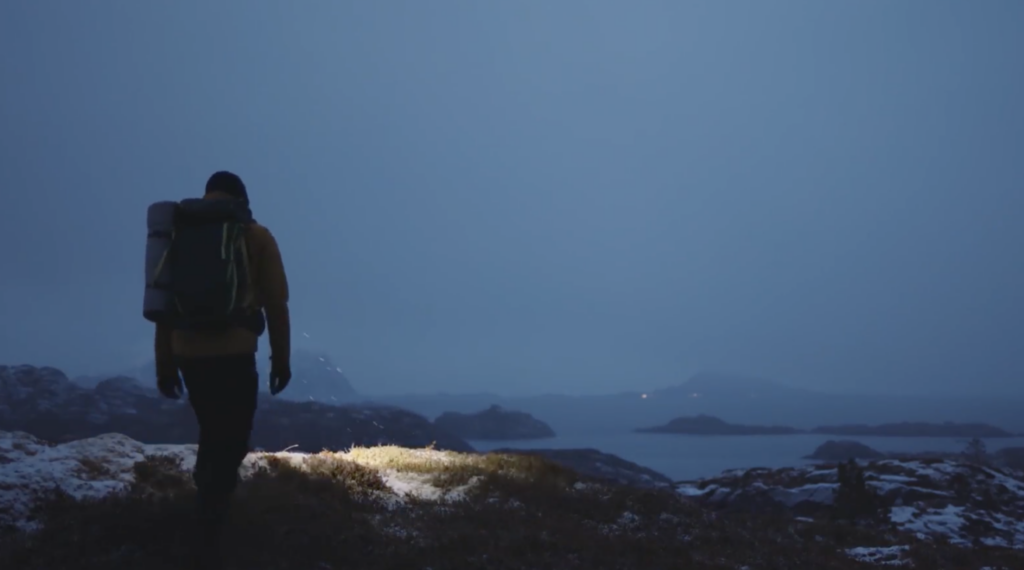
This happens because sunlight helps regulate serotonin, a chemical linked to mood and energy.
Exercise can help counter this effect. Regular physical activity, even indoors, can improve serotonin levels and help stabilize mood. A simple daily routine of movement can make a noticeable difference.
Step 4: Eat vitamin D rich foods
When sunlight is not available, diet becomes a major source of vitamin D.
Foods like salmon, egg yolks, and cheese contain natural amounts of this nutrient. In many countries, milk is also fortified with vitamin D to help prevent deficiencies.
Studies have shown that people with adequate vitamin D levels often have better health outcomes in various conditions compared to those who are deficient.

Stocking up on these foods becomes important when living without sunlight.
Step 5: Strengthen your nutrition habits
Vitamin D deficiency is more common than many people realize, affecting large portions of the global population.
Certain groups are at higher risk, including older adults and people with limited dietary variety.
Dairy products and fortified foods can help maintain healthier levels. Consistent intake matters more than occasional consumption. Living without sunlight is not just about surviving darkness. It is about actively replacing what the sun normally provides.
You have now survived without sunlight on Earth. But there is another extreme challenge waiting on the opposite end of the spectrum. Too much sun exposure can be just as dangerous, with sunburns being one of the leading causes of skin cancer in some regions.
What happens when survival means avoiding the sun instead?