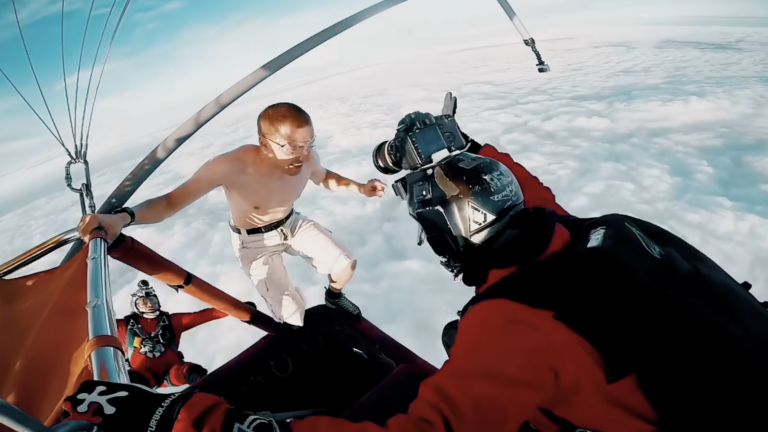
Imagine suddenly finding yourself thousands of meters above the ground with no parachute. The wind is roaring around you, the ground appears impossibly far away, and every second brings you closer to impact. A fall from 3.6 kilometers is an extreme emergency with very low survival odds, but history has recorded rare cases in which people survived extraordinary falls.
The first challenge begins high above the ground. At several kilometers above sea level, the air contains less oxygen than at the surface. A person falling from great altitude can become confused or even lose consciousness because of hypoxia.
As the descent continues, the air becomes denser and easier to breathe, potentially allowing consciousness to return before reaching the ground.
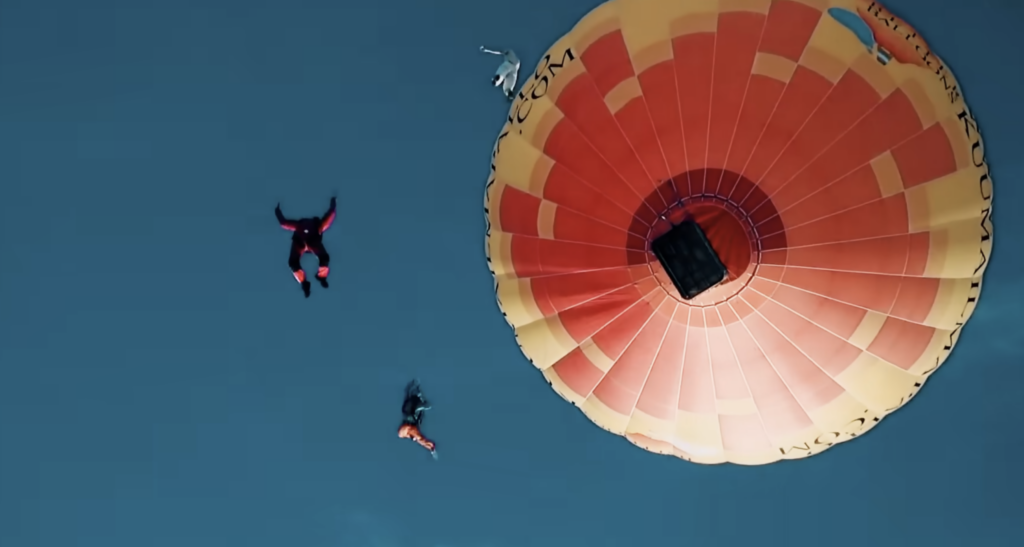
If someone remains conscious, controlling the body becomes important. A person in free fall can change their position and influence their horizontal movement. Skydivers use controlled body positions to steer themselves, although someone without training would have much less control. The priority should be finding the safest possible landing area rather than simply trying to reach the ground faster.
Water might look like an ideal landing surface because it appears soft from the air, but hitting water at high speed can cause devastating injuries. If there is absolutely no alternative, entering feet first with the legs together can reduce the surface area striking the water initially, but a fall from this height remains extraordinarily dangerous.
The landing surface can make an enormous difference. A person who has any ability to influence their direction should look for areas that can absorb energy, such as deep snow, dense vegetation, soft ground or terrain that can deform during impact.
Trees may sometimes reduce falling speed, but branches can also cause severe injuries, making wooded areas unpredictable.
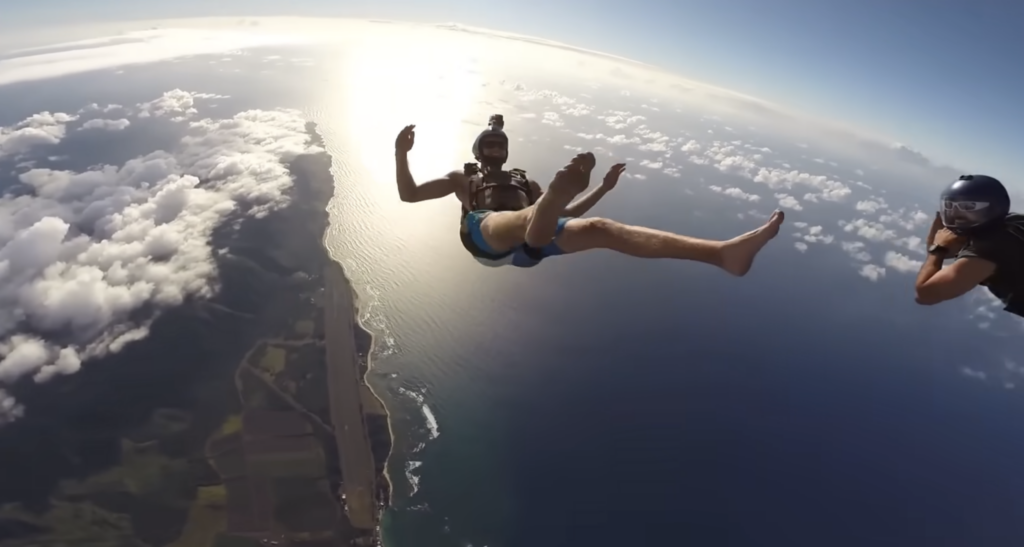
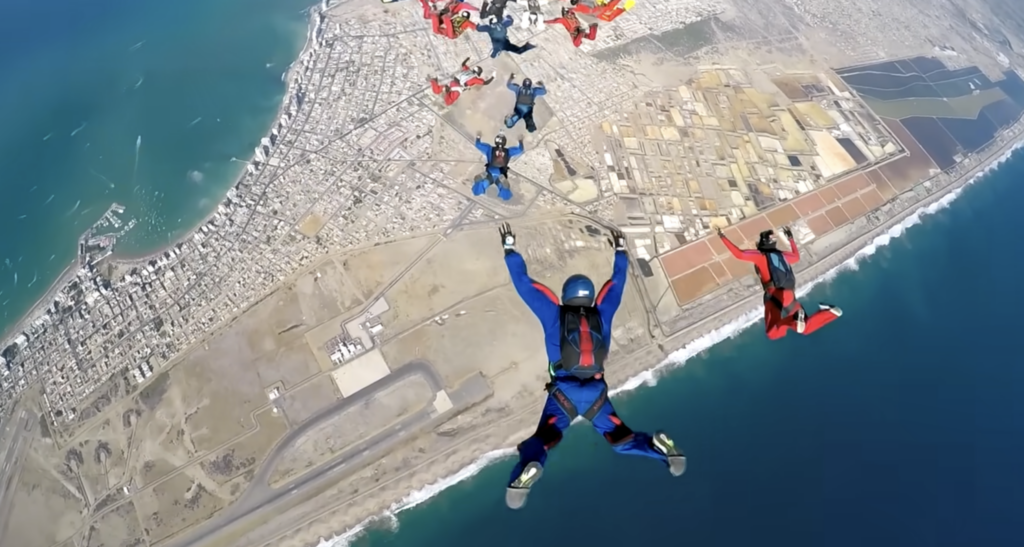
Another factor is air resistance. During free fall, spreading the arms and legs increases the body’s surface area and creates more drag. This is the familiar position used by skydivers. However, air resistance alone cannot make a fall from several kilometers safe. A human body eventually reaches a high terminal velocity, and striking the ground at anything close to that speed can be catastrophic.
The final moments are especially critical. If there is no way to avoid impact, protecting the head and neck becomes essential. Keeping the body positioned so that the head is less likely to strike first can reduce the risk of devastating brain and spinal injuries.
There is no guaranteed technique for surviving a fall without a parachute.
Even choosing a seemingly favorable landing surface does not remove the enormous forces involved. Survival depends on countless variables, including the person’s position, the height of the fall, air resistance, the landing surface and whether obstacles absorb some of the energy.
The rare people who have survived extreme falls were extraordinarily fortunate. Their stories demonstrate that the human body can sometimes endure seemingly impossible circumstances, but they should never be interpreted as proof that a fall from 3.6 kilometers can be safely survived. Without a parachute or another reliable means of slowing the descent, the situation remains one of the most dangerous emergencies imaginable.