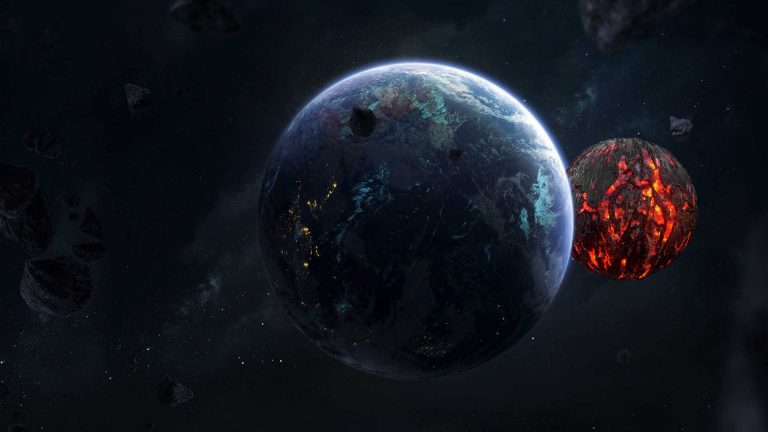
From the earliest moments of human imagination, the Moon has always been there. Hanging in the night sky, shaping tides, marking time, and quietly influencing life on Earth in ways we often take for granted. But what if it was never there at all? No lunar companion, no glowing night light, no tidal rhythm guiding the oceans. Just Earth alone in space.
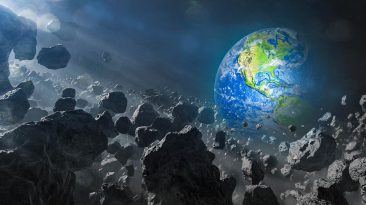
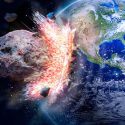
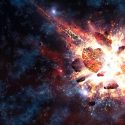
To understand what that world might look like, we first have to go back to the beginning. The most widely accepted explanation for the Moon’s origin is the Giant Impact hypothesis. Around 4.5 billion years ago, a young Earth collided with a Mars sized object often called Theia. The impact was so powerful that molten debris was thrown into orbit, eventually clumping together to form the Moon.
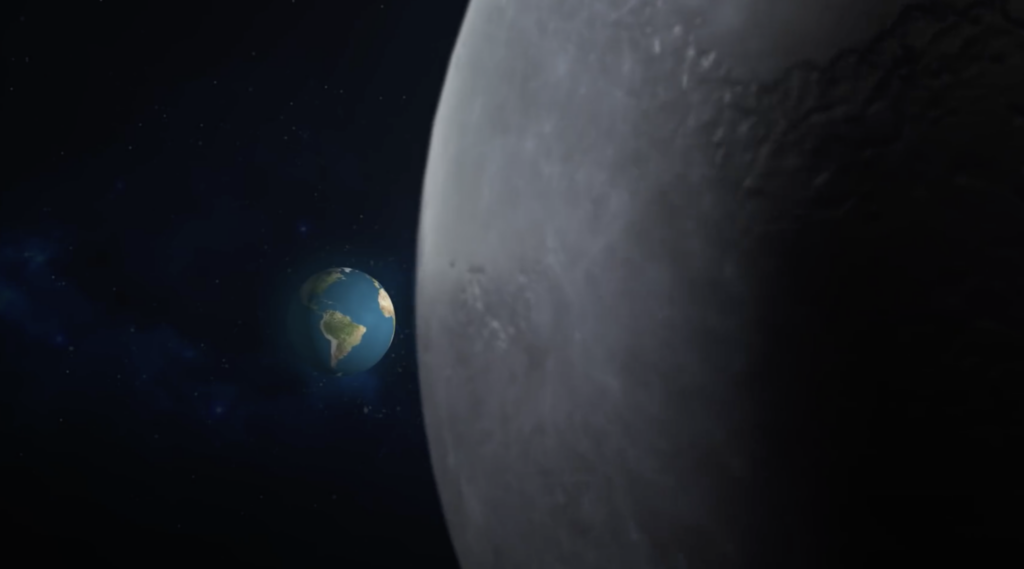
At that time, Earth was still forming. Its surface was mostly molten rock, constantly reshaped by volcanic activity and impacts. Over time, this chaotic environment began to stabilize, and the newly formed Moon became a key part of that balance. Its gravitational pull helped stabilize Earth’s axial tilt at around 23.4 degrees, which in turn created predictable seasons and a relatively stable climate.
Without the Moon ever forming, Earth’s early history would have unfolded differently. The planet would still receive gravitational influences from the Sun and other planets, but the absence of a large nearby satellite would remove one of the most important stabilizing forces in the Earth system.
One immediate difference would be Earth’s rotation and tilt behavior. Without the Moon slowing Earth’s spin over billions of years, the planet would rotate faster. Days could be significantly shorter, possibly lasting only a fraction of what we experience today. This would fundamentally change weather patterns, atmospheric circulation, and even how life organizes its biological rhythms.
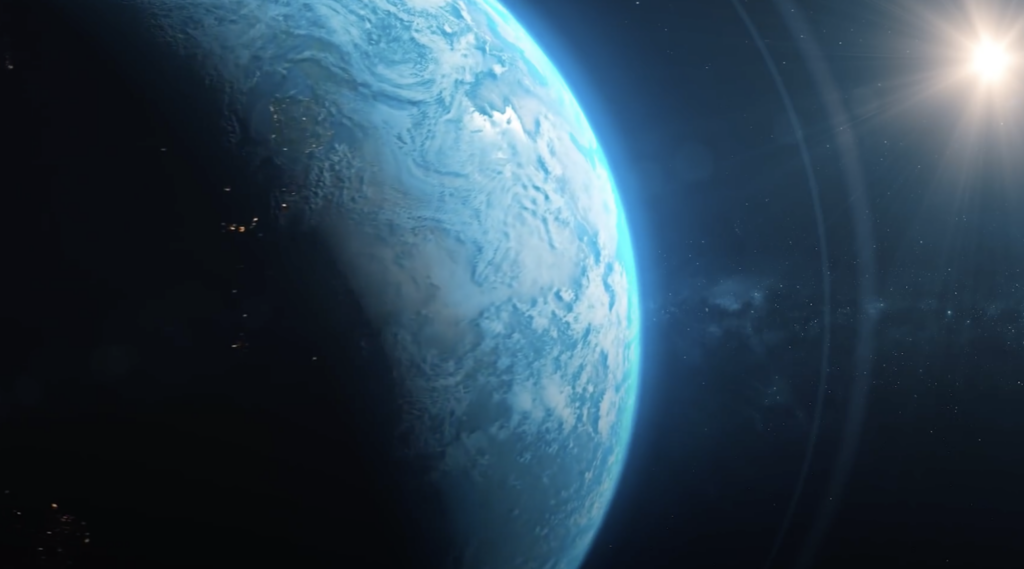
The most visible change would be in the sky. Nights would be dramatically darker without moonlight reflecting the Sun’s rays back toward Earth. Venus and other planets would still be visible, but none would come close to replacing the brightness and influence of the Moon. Human nights would be dominated by darkness and starlight alone.
Tides would also be very different. The Moon is the primary driver of Earth’s tidal system. Without it, tides would still exist due to the Sun’s gravity, but they would be significantly weaker. Coastal ecosystems, which rely on strong tidal cycles, would develop in completely different ways. Entire marine habitats might never form in the same structure we see today.
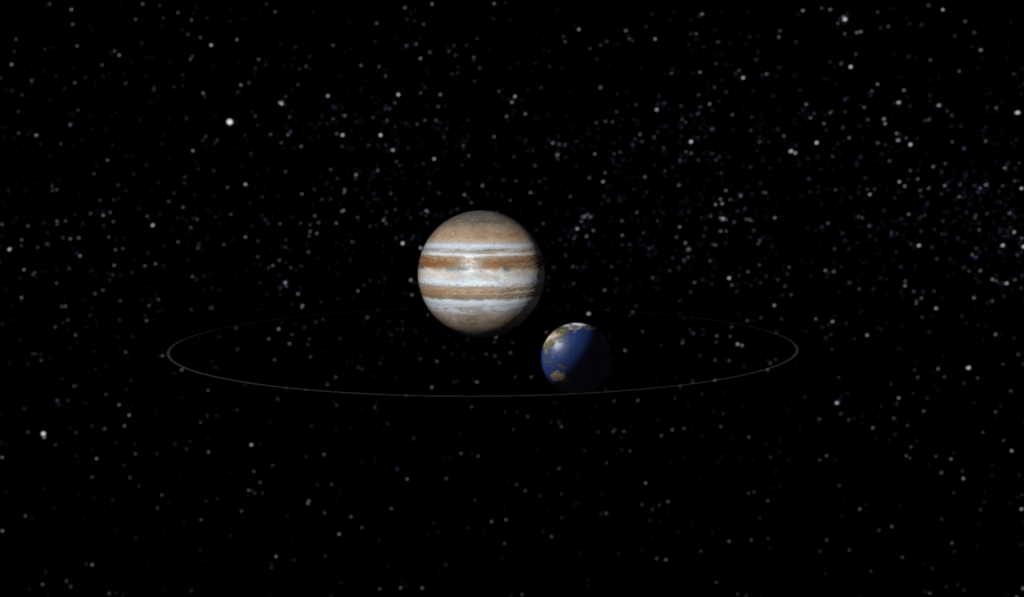
Over long timescales, the absence of the Moon could also influence Earth’s axial stability. Some simulations suggest that without a large satellite, Earth’s tilt might vary more chaotically. However, gravitational interactions with planets like Jupiter could still provide partial stabilization, limiting extreme shifts in tilt under certain conditions.
Even so, climate patterns would likely be far less predictable. Seasons might not follow consistent cycles, and long term weather stability could be harder to maintain. This would have a direct impact on ecosystems, agriculture, and the development of complex life.
Some scientists have suggested that life could still emerge and evolve on a moonless Earth. It would not necessarily prevent biology from developing, but it would change the conditions under which evolution takes place. Organisms might adapt to shorter days, darker nights, and more variable environmental cycles. Over time, this could influence everything from metabolism to behavior.
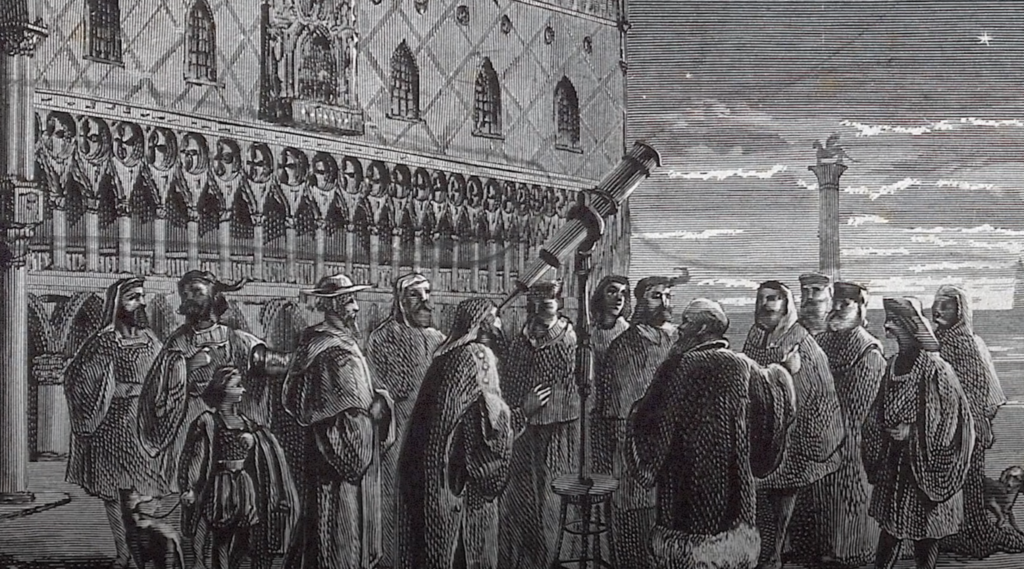
Interestingly, Earth without a Moon might also have a different cultural and scientific history. The Moon has played a major role in early astronomy, navigation, and timekeeping. Without it, humanity might have developed different models of the universe, possibly delaying or redirecting key scientific breakthroughs.
The Moon also played a symbolic role in pushing humanity toward space exploration. It became the first major off world destination, shaping ambitions like the Apollo missions and the broader Space Race. Without a Moon to reach, humanity’s path into space could have been slower or taken an entirely different direction.
In the end, a Moonless Earth would not necessarily be lifeless, but it would be fundamentally different. The rhythms of the planet, the stability of its climate, and even the direction of human progress would all shift in ways that are difficult to fully predict.
What seems like a simple object in the night sky is actually one of the quiet forces that helped shape the world we live in today.