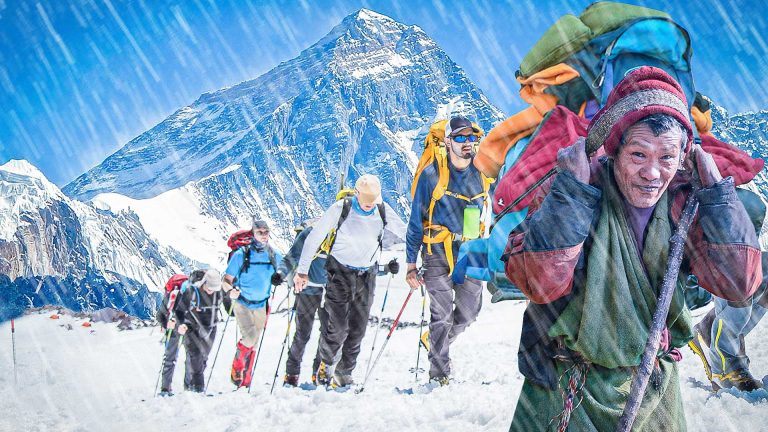
A Sherpa was missing for six days in Mount Everest’s death zone. He survived on discarded food left behind by previous climbers as he slowly crawled his way back to base camp. A rescue helicopter eventually spotted him and airlifted him to intensive care just in time.
Most people would never last this long in such extreme conditions, where even a short exposure above 8,000 meters can become life threatening. But Sherpas are known for their ability to endure environments that push the human body to its absolute limits.
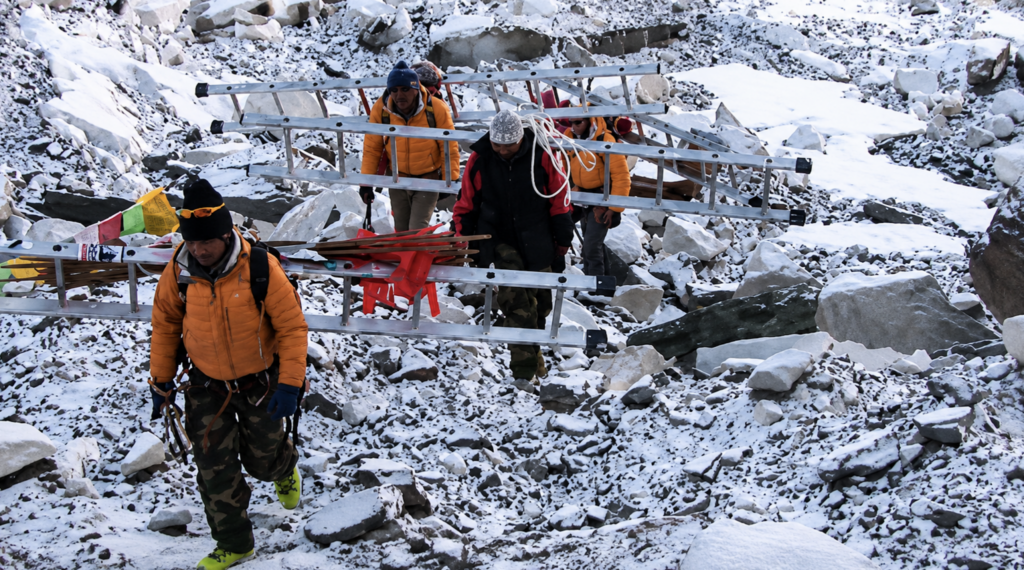
What makes this survival even more remarkable is the fact that it happened in Everest’s so called death zone. This is the area above 8,000 meters where oxygen levels are so low that the human body begins to shut down over time. Climbers lose strength, judgment becomes impaired, and every movement feels exhausting.
In such conditions, survival is usually measured in hours, not days. Yet in this case, survival extended to nearly a week, raising the question of how anyone could possibly endure it. Here is how to survive as a Sherpa in these conditions.
The death zone on Mount Everest is one of the harshest environments on Earth. At that altitude, the air contains roughly one third of the oxygen available at sea level. Even with supplemental oxygen, climbers struggle to function normally. Without it, the body begins consuming itself, breaking down muscle and fat just to stay alive.
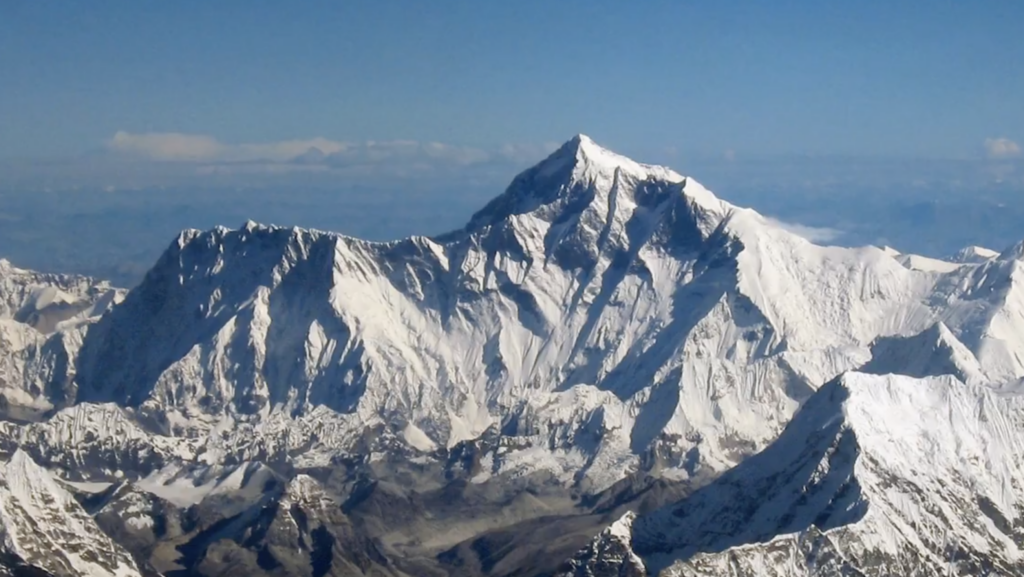
This is why every decision at that altitude becomes critical, and even small mistakes can quickly turn fatal.
In survival situations like this, movement must be minimal and controlled. Energy conservation becomes more important than speed. Sherpas and experienced climbers learn to take slow, deliberate steps and focus heavily on breathing rhythm. Panic or rapid movement can drastically increase oxygen consumption, making collapse more likely. Staying calm is not just mental discipline, it is a physical survival strategy.
Nutrition and hydration are also extremely limited in the death zone. Most climbers rely on melted snow for water and whatever food they can carry or find along the route. In this case, survival was partially possible due to scavenging abandoned supplies left behind by previous expeditions. Even small amounts of food can help delay the body’s complete exhaustion when oxygen is critically low.
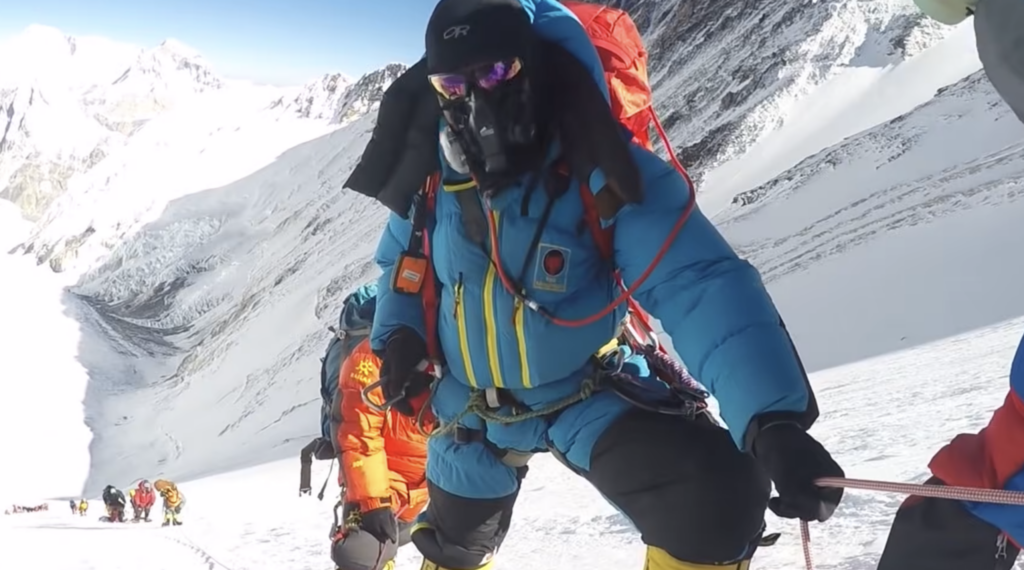
Navigation is another major challenge. Whiteout conditions, extreme fatigue, and reduced cognitive ability make it easy to lose direction. Experienced Sherpas rely on memory of the terrain and years of repetition on the same routes. Even so, disorientation is common, and many climbers in distress are unable to retrace their path without assistance.
Mental strength plays an equally important role. At extreme altitude, the brain is deprived of oxygen, which can lead to confusion, hallucinations, and poor decision making. Survivors often describe having to focus on a single simple objective, such as moving downward one step at a time, to avoid becoming overwhelmed.
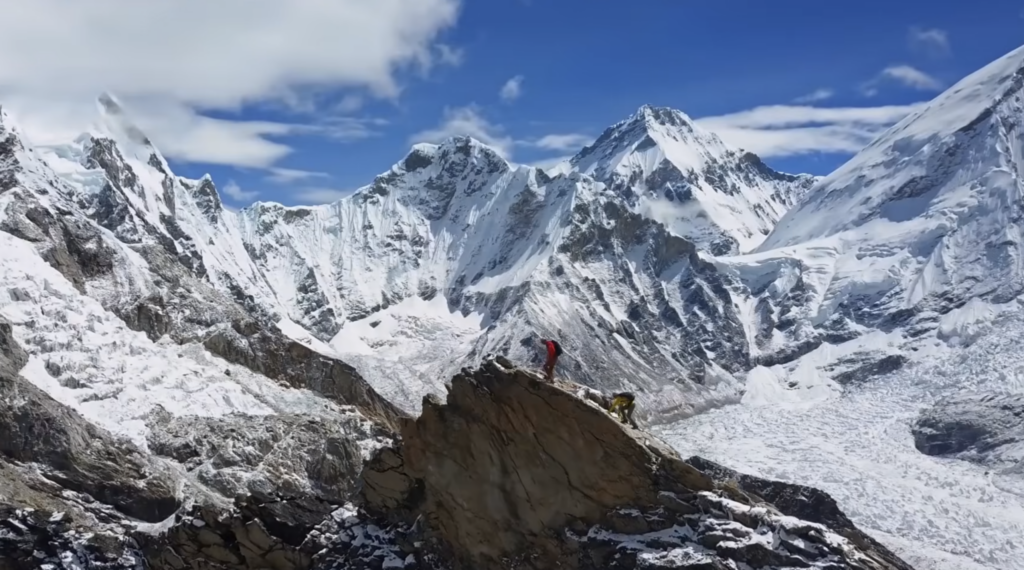
Eventually, survival depends not only on endurance but on timing and rescue. Helicopter evacuations in the death zone are extremely dangerous due to thin air and unstable weather conditions. Pilots often have only brief windows to attempt a landing or hover extraction. In this case, being spotted from the air was the turning point that made survival possible.
Stories like this highlight how extreme human endurance can be when experience, adaptation, and resilience come together. While most people would not survive long in Everest’s death zone, Sherpas continue to demonstrate an extraordinary ability to operate in conditions where the margin between life and death is almost nonexistent.