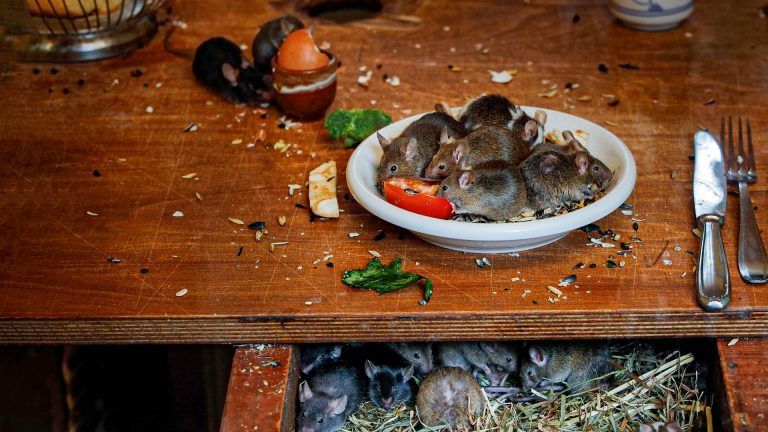
They’ll take over your house, contaminate your food, and leave their feces all over the place. And in some cases, they can even expose you to dangerous diseases like hantavirus, a potentially deadly lung infection spread through contaminated particles in the air. You might think you’ve done a good job keeping them out, but they can sneak in through cracks or holes the size of a dime.
It might not seem like a big problem because you’ve only seen one of them. But for every mouse you spot in your house, there could be up to 150 more that are hiding. So, if you live in one of the 21 million U.S. homes infested by these tiny rodents, what can you do to stay safe?
Step 1. Cover your wires
A rats infestation can damage your property and even burn it to the ground. To keep their teeth from overgrowing, rats constantly chew on objects, including electrical wires. When wires lose their insulation, they can spark and potentially start a fire. According to the Illinois Department of Public Health, a significant portion of fires with unknown causes may be linked to rodents.
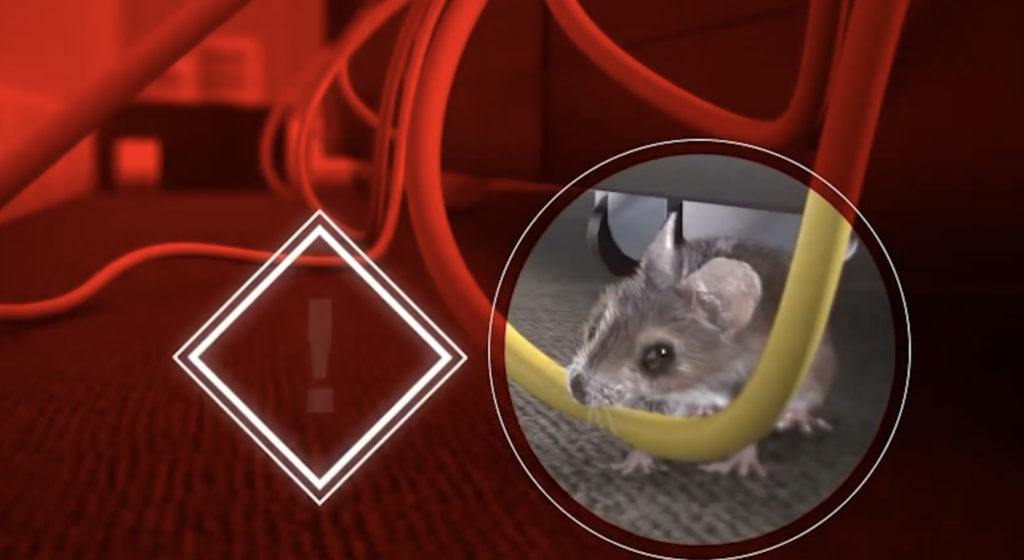
If you suspect rats are in your home, protect exposed wiring with materials they can’t easily chew through and check hidden areas whenever possible.
Step 2. Beware of winter
Rats are constantly searching for food, sometimes eating up to 20 times a day. That makes kitchens and food storage areas especially attractive. The risk increases during colder months. Between October and February, rats are far more likely to enter homes in search of warmth, food, and shelter.

Keeping your kitchen clean helps year-round, but in winter it becomes essential. Store food in sealed containers, clean up crumbs quickly, and take out the trash regularly.
Step 3. Don’t ignore bites or scratches
Encounters with rats aren’t always harmless. In 2018, a woman in a Canadian cinema felt a sudden sharp pain in her leg during a movie. When she checked, she discovered she had been bitten. Incidents like this are rare, but they highlight a real risk.
A mouse bite or scratch can expose you to serious infections, including rat-bite fever. If it happens, clean the wound immediately and seek medical care. Doctors will typically prescribe antibiotics to reduce the risk of complications.
Step 4. Use a mask when cleaning
Rats are nocturnal, so you might not see them for weeks or even months. But they leave behind clear signs, droppings, urine, and scratch marks.

Cleaning these areas the wrong way can be dangerous. Never vacuum or sweep mouse droppings. This can release tiny contaminated particles into the air. This is one of the main ways diseases like hantavirus can spread. Even dried droppings can carry the virus, meaning the risk doesn’t disappear over time.
Instead, clean the area using a disinfectant solution, and always wear gloves and a mask to protect yourself.
Step 5. Do something
Once you realize rats are in your home, ignoring the problem will only make it worse. Rats reproduce quickly. A single female can have dozens of offspring in just a few months, turning a small issue into a full infestation.
Whether you use traps or call pest control professionals, the important thing is to act fast. A rats infestation won’t go away on its own.