A peaceful walk through the wilderness can become a life threatening situation in seconds when you encounter one of nature’s most powerful predators. Bears are massive animals with incredible strength, speed, and sharp instincts. But surviving an encounter does not always come down to how big the bear is. The one thing that often decides whether a bear attack becomes fatal is how you react in those first few moments.
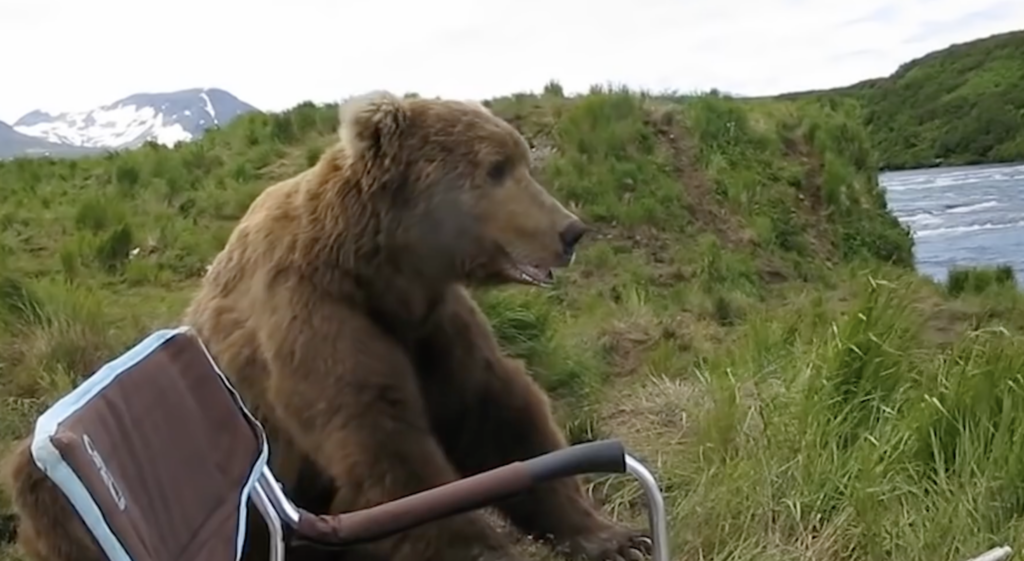
Despite their terrifying reputation, bear attacks are extremely rare. Most bears actively avoid humans and only become aggressive when they feel threatened, surprised, or are protecting food or their young. The wrong reaction, however, can quickly turn a defensive encounter into a deadly one.
Imagine leaving your tent during a camping trip and discovering a black bear searching through food you accidentally left outside. Your first instinct might be to run, but that could be the worst decision. Black bears can reach speeds of up to 40 km/h (25 mph), making escape on foot almost impossible.
Climbing a tree is also not a reliable option. Many people believe bears cannot climb, but black bears are skilled climbers and can follow humans into the branches if they choose. Instead, the safest response is usually to slowly back away, avoid sudden movements, and never make the animal feel trapped.
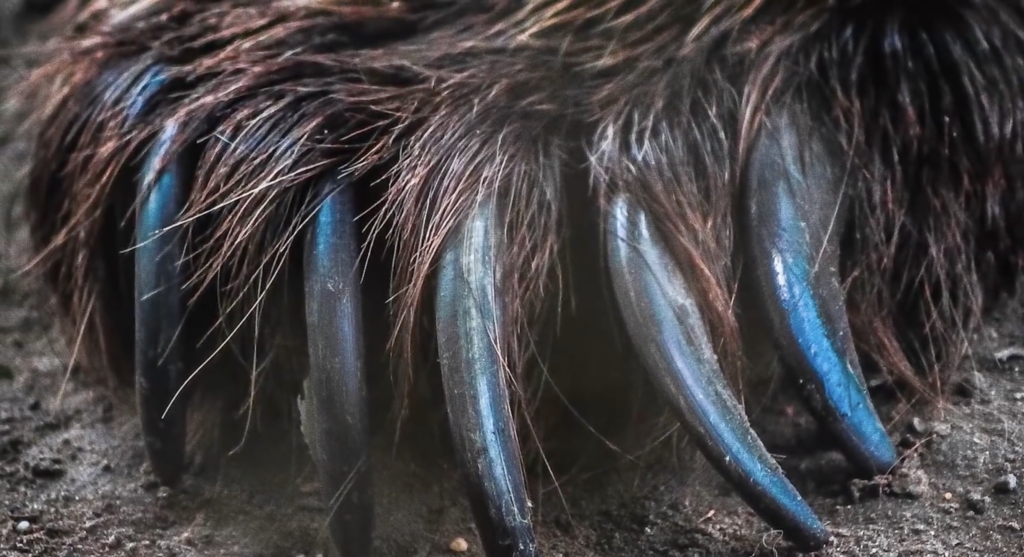
A black bear’s powerful body can cause serious injuries with a single strike. Their claws may be designed for climbing and digging rather than hunting, but the force behind their movements can easily knock a person down.
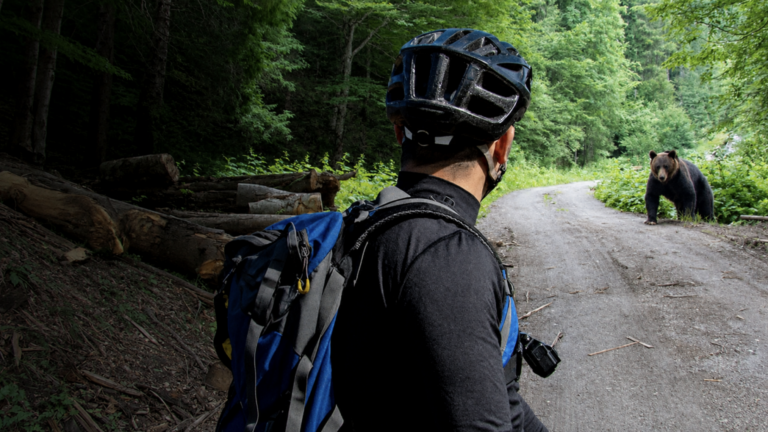
Now imagine a different situation. You are hiking through the wilderness and suddenly encounter a grizzly bear with cubs nearby. This is one of the most dangerous scenarios because mother grizzlies are extremely protective and may attack if they believe their young are in danger.
A charging grizzly can reach speeds of around 64 km/h (40 mph), leaving almost no chance to escape by running. If a grizzly knocks you down during a defensive attack, experts often recommend playing dead. Staying still and protecting your neck may signal that you are no longer a threat, causing the bear to leave.
But there is one bear where this strategy can change completely: the polar bear.
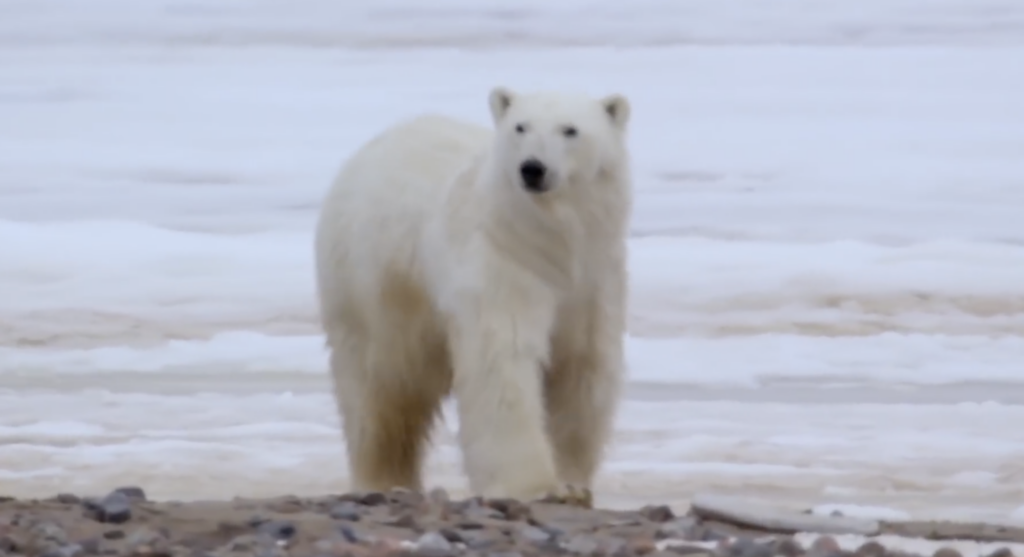
Unlike black bears and grizzlies, polar bears are natural hunters. They are one of the few bear species that may actively see humans as potential prey. A large male polar bear can weigh up to 590 kg (1,300 lb), with powerful jaws, enormous muscles, and claws capable of causing devastating injuries.
Fortunately, most people will never encounter a polar bear because they live in the Arctic, far away from popular hiking areas. But if you ever face one, your reaction becomes even more important because running away will not trigger the same response as it would with other bears.
The biggest factor that decides whether a bear attack becomes deadly is understanding the situation. Is the bear defending itself, protecting cubs, or seeing you as food? Your survival depends on recognizing the difference and responding correctly.
The best way to survive a bear encounter is to prevent one from happening. Store food properly, make noise while hiking, avoid surprising wildlife, and always keep a safe distance.
A bear attack is not always decided by the animal’s size or strength. Sometimes, the few seconds after the encounter begins are what determine whether you walk away or become another victim of nature’s most powerful predators.