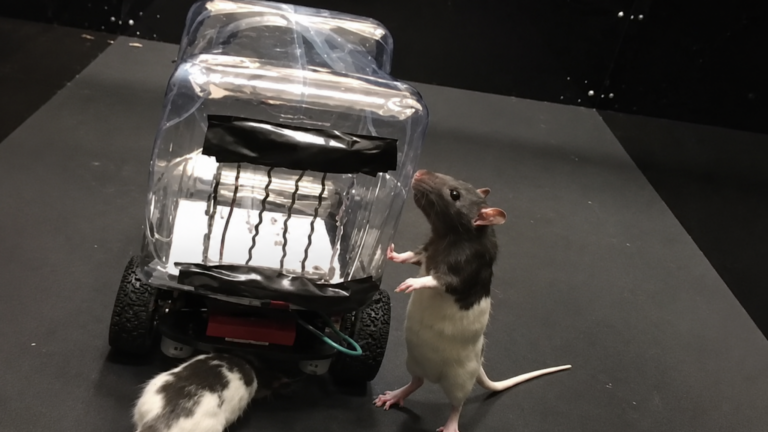
At first glance, it sounds like something straight out of a bizarre science fiction movie. Tiny vehicles moving across a room, guided by unexpected drivers. But behind this strange scene was a serious scientific question that researchers hoped could reveal new insights into learning, behavior, and even mental health.
Scientists wanted to understand how an animal’s surroundings shape its ability to learn new skills. To find the answer, they decided to challenge rats with a task far more complicated than the simple mazes and puzzles commonly used in laboratory experiments.
Instead of running through tunnels, these rats would learn something much more surprising: how to drive.
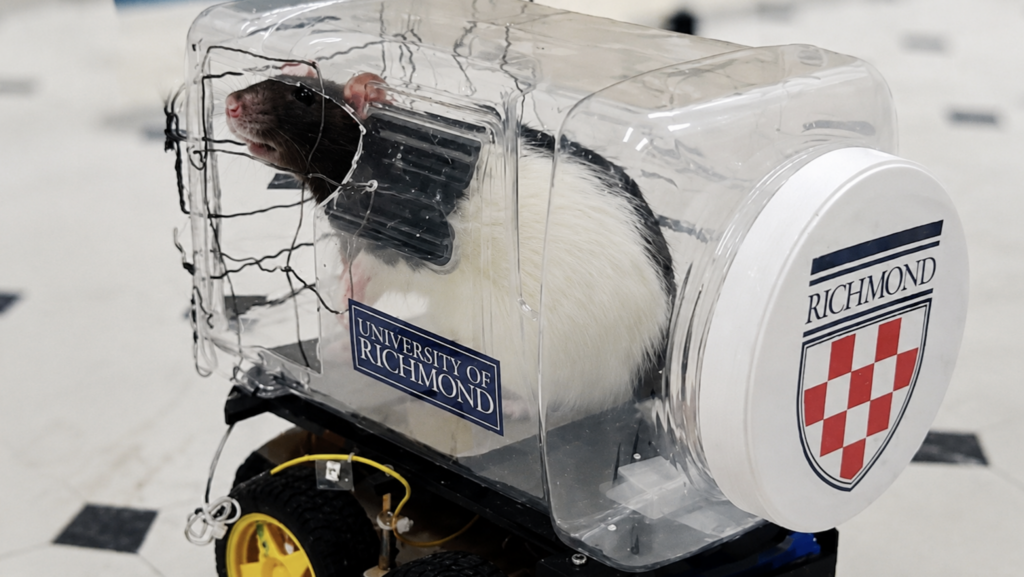
Researchers at the University of Richmond developed what they called a Rodent Operated Vehicle, or ROV. The small car was specially designed so that rats could control its movement. To make the vehicle move forward, a rat had to stand on an aluminum plate. By touching one of three copper bars, it could steer the vehicle in different directions.
The goal was simple. A tasty treat was placed at the opposite end of a testing arena, and the rats had to drive the vehicle to reach it. While the setup may sound amusing, the experiment was designed to explore how different environments affect learning and cognitive development.
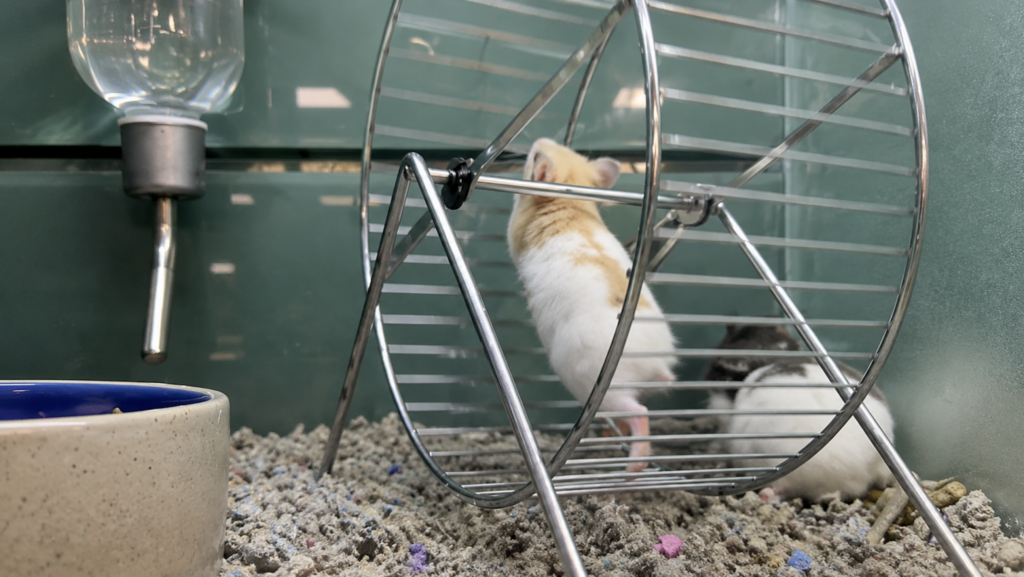
To test this, the researchers divided the rats into two groups. One group lived in what scientists called an enriched environment. These rats had access to a variety of toys, objects, and activities that provided mental stimulation. The second group lived in a standard laboratory cage with far fewer opportunities for exploration and engagement.
After spending time in their respective environments, both groups entered what could only be described as rodent driving school.
The results were remarkable. Rats raised in the enriched environment learned to drive the tiny vehicles much faster than those from standard cages. They adapted more quickly to the challenge and demonstrated greater flexibility while operating the cars.
Some of the enriched rats even developed their own unique steering strategies. Instead of simply driving directly toward the reward, they experimented with different approaches and appeared more confident behind the wheel. Researchers were particularly surprised to observe that some rats continued driving even when no treat was waiting for them at the end of the course.
This suggested that the activity itself may have become rewarding.
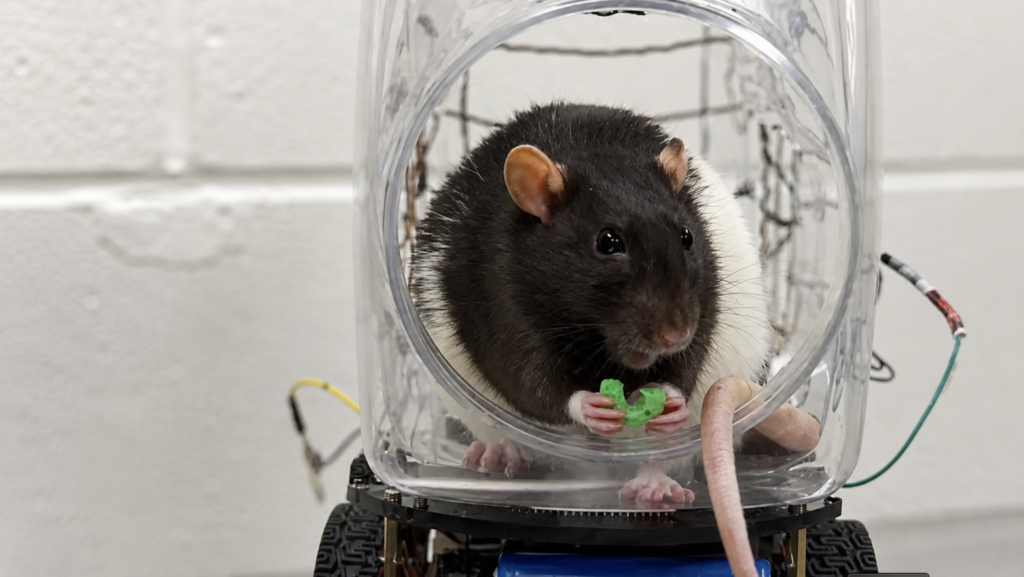
Perhaps the most unexpected finding involved stress. The researchers discovered that driving the miniature cars appeared to reduce stress levels in both groups of rats. Rather than becoming anxious during the task, many of the animals seemed calmer and more relaxed after mastering the skill.
Scientists believe this effect may be similar to a concept known as self efficacy in humans. Self efficacy refers to the sense of satisfaction and confidence people experience when they learn a new ability and become proficient at it.
Whether it is learning to play an instrument, mastering a sport, or developing a professional skill, successfully overcoming challenges can have positive effects on mental well being.
The driving rats may have been experiencing a comparable feeling. By gaining control over their environment and successfully completing a difficult task, they appeared to benefit psychologically.
Beyond the novelty of rats driving tiny cars, the study has important scientific implications. It demonstrates that enriched environments can significantly improve learning and cognitive performance. It also suggests that teaching animals complex tasks may provide researchers with new ways to study neurological disorders, stress, and brain function.
For decades, mazes have been one of the most recognizable tools in animal behavior research. But after watching rats confidently navigate miniature vehicles, scientists may have discovered a new and surprisingly effective way to explore how the brain learns and adapts.
The question now is whether the future of behavioral science might involve fewer mazes and a lot more tiny cars.