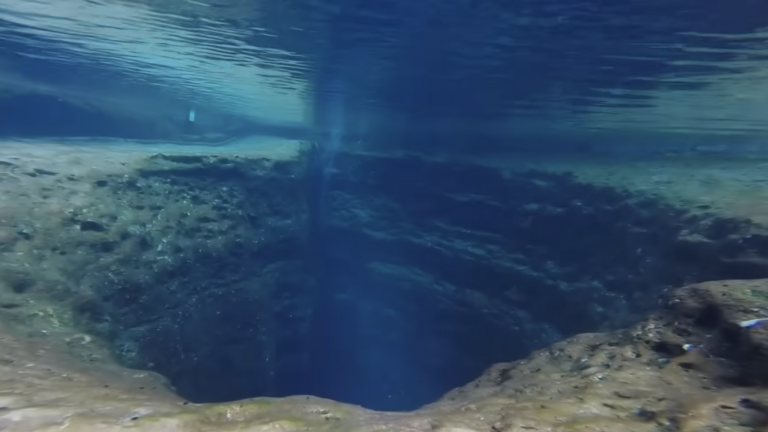
On the surface, Jacob’s Well looks like an idyllic swimming hole in Wimberley, Texas. Beneath its clear water, however, lies a dangerous network of underwater tunnels stretching thousands of feet into the earth and reaching depths of about 120 feet.
The cave contains narrow passages, sudden drops, and confusing chambers where visibility can disappear completely. For trained cave divers, it is a serious technical challenge. For anyone who loses their route, it can become a deadly maze.
In 1979, two young men, Kent and Mark Brashear, entered the cave with other divers. After reaching the main passage, they chose to continue farther instead of returning to the surface.
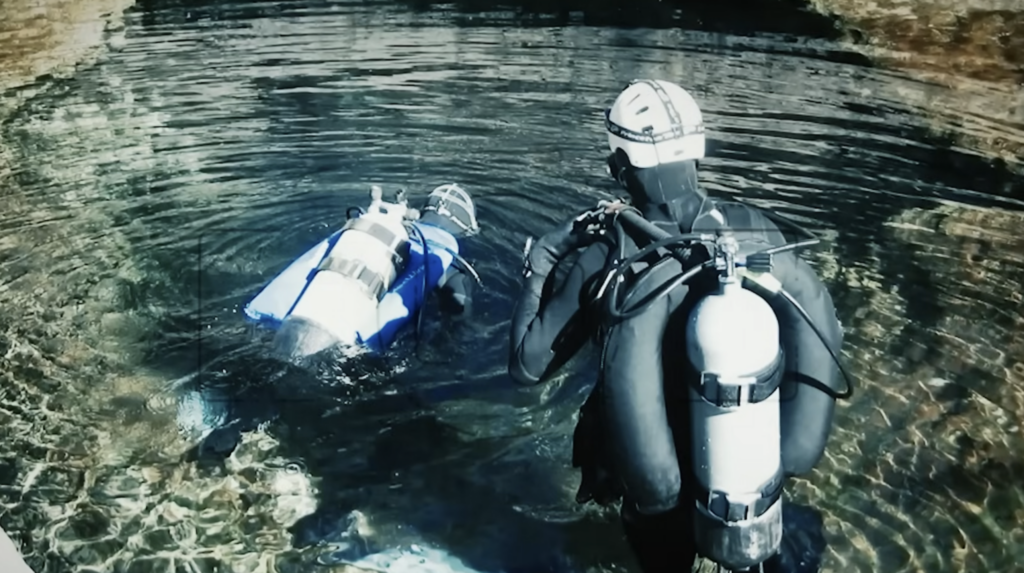
Their destination was Chamber 3, an especially restrictive section where some passages are so tight that divers may have to remove their tanks to squeeze through. The pair continued despite warnings that their remaining air might not be enough for the trip back.
Another diver tried to get their attention by striking his knife against his tank. The warning went unanswered.
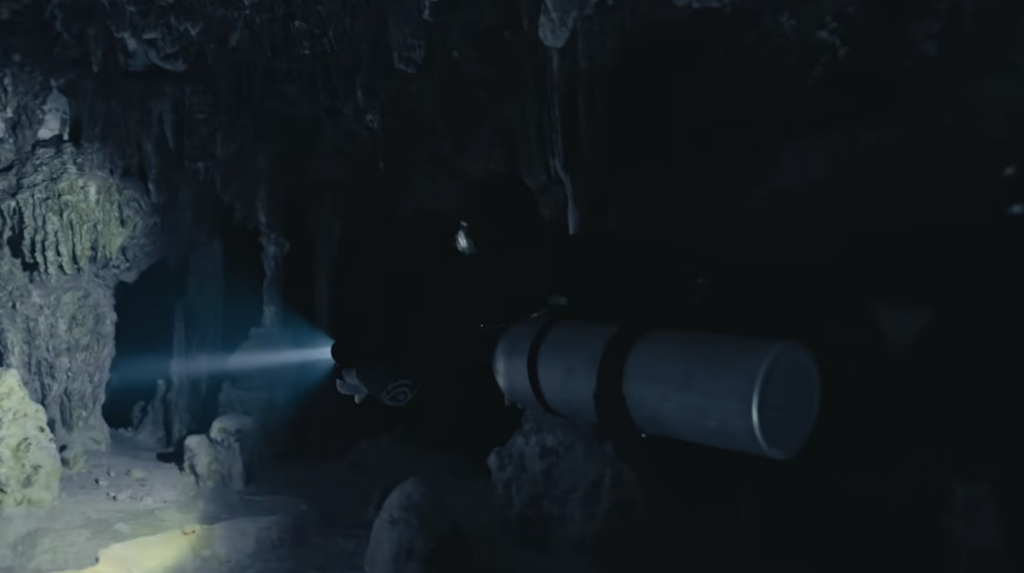
Inside the cave, darkness creates an enormous problem. Divers cannot rely on landmarks or sunlight, so they use guideline reels to maintain a physical connection to the route leading back toward the entrance.
At some point, Kent’s guideline became caught on the rocks. Then it detached.
The mistake instantly transformed the dive. Without the line, the two men had no reliable route through the confusing tunnels. They were surrounded by darkness, limited visibility, and passages that could look almost identical.
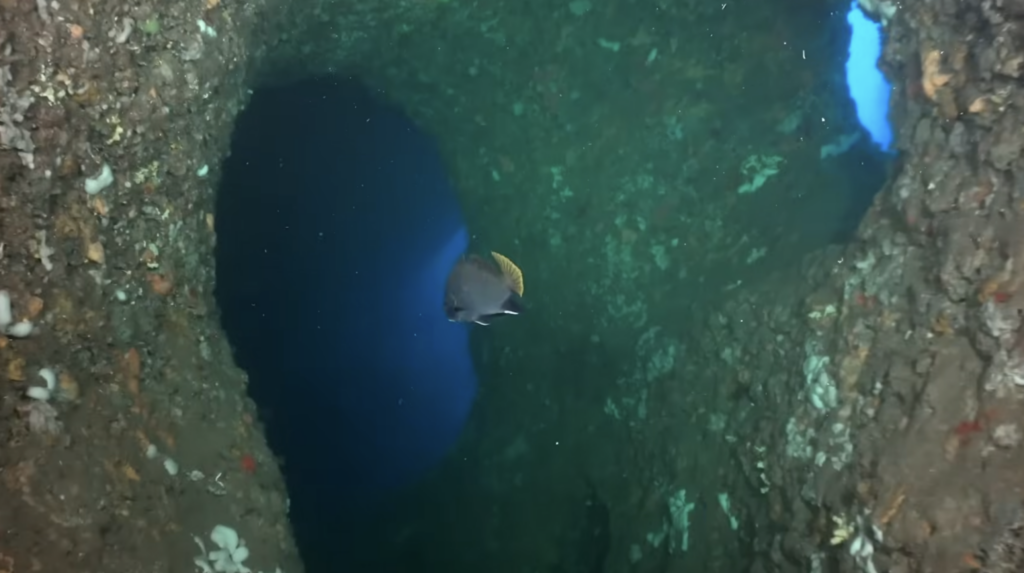
When Kent and Mark failed to return, the other divers realized something had gone terribly wrong. A rescue operation was launched, but searching through a huge underwater cave system was extremely dangerous.
During one attempt, rescue diver Don Dibble thought he spotted the missing men beneath a layer of gravel. He entered the passage and began clearing the sediment, but the material shifted and trapped him.
Dibble fought his way free as his air supply dwindled. He survived the ordeal, but his rapid ascent caused severe decompression sickness and left him with devastating internal injuries.
Rescuers later brought in a large hose to remove gravel from the cave. Instead of solving the problem, the operation caused more sediment to move and made the passage even more unstable.
Eventually, authorities decided that continuing the search was too dangerous. The cave was sealed, and the missing divers were left underground.
But people continued trying to enter. Six months later, someone broke through the barriers blocking the cave and left a message challenging the authorities.
Years passed before the missing men were finally located.
Mark’s remains were discovered nearly a decade after the disappearance when the underground current carried them out of the cave. Kent’s body remained hidden much longer.
His remains were eventually found inside the cave’s fourth chamber, 21 years after the two men had vanished.
One suspected danger is a feature known as a false chimney. This narrow passage can appear to lead toward an exit, but instead takes divers farther into the cave. A panicked diver searching for a way out could easily mistake it for the correct route.
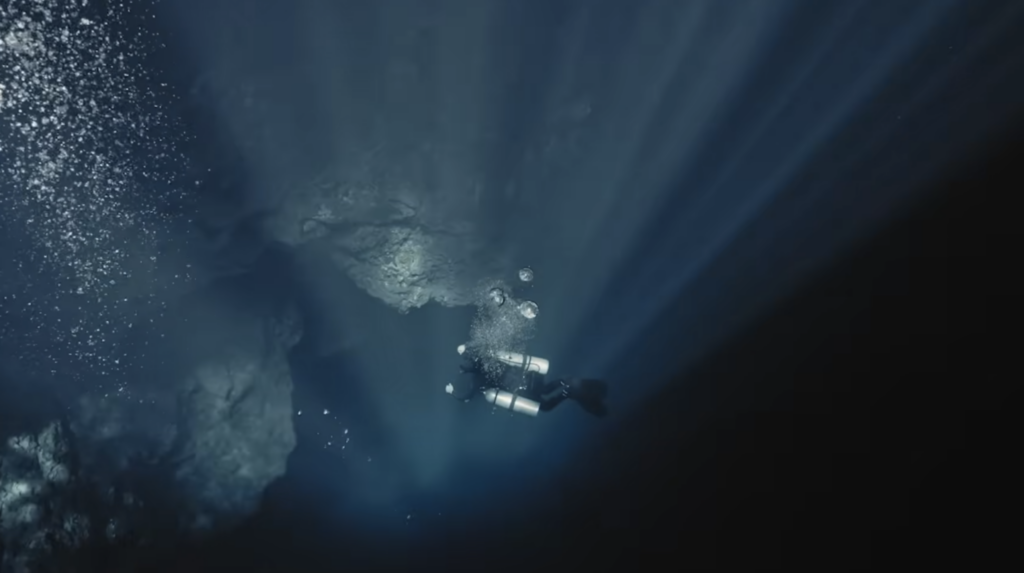
Jacob’s Well is still known as a popular swimming destination, but its deeper passages are a completely different environment. Exploring them requires specialized cave diving training, equipment, and experience.
Unlike open water diving, cave diving does not allow a diver to simply swim toward the surface when something goes wrong. A lost guideline, equipment failure, or depleted air supply can leave someone trapped far from safety.
The story of Kent and Mark is a reminder that underwater caves leave almost no room for mistakes. In total darkness, one wrong turn can separate a diver from the surface forever.