There was an amusement park unlike any other. A place where visitors came looking for excitement and left with bruises, broken bones, or sometimes something far worse.
Action Park in New Jersey became famous for one reason: it was considered the most dangerous amusement park in America.
During its peak years, thousands of people visited every summer to experience rides that pushed the limits of safety. The park earned a nickname that followed it for decades: “Class Action Park.”
The man behind it all was Gene Mulvihill, a businessman who wanted to create an amusement park where guests controlled the action themselves. Instead of simply sitting on a ride, visitors would decide how fast they went, how high they jumped, and how extreme the experience became.
Action Park opened in 1978 and quickly became a legend.
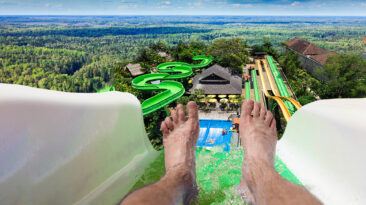
One of its first attractions was the Alpine Slide, a 2,700 ft (823 m) downhill track where riders controlled small carts using a brake system that often failed. Many visitors crashed into the sides of the track, suffering cuts, bruises, and broken bones.
Despite the injuries, people kept coming back.
But the park’s most infamous attractions were found in the water section.
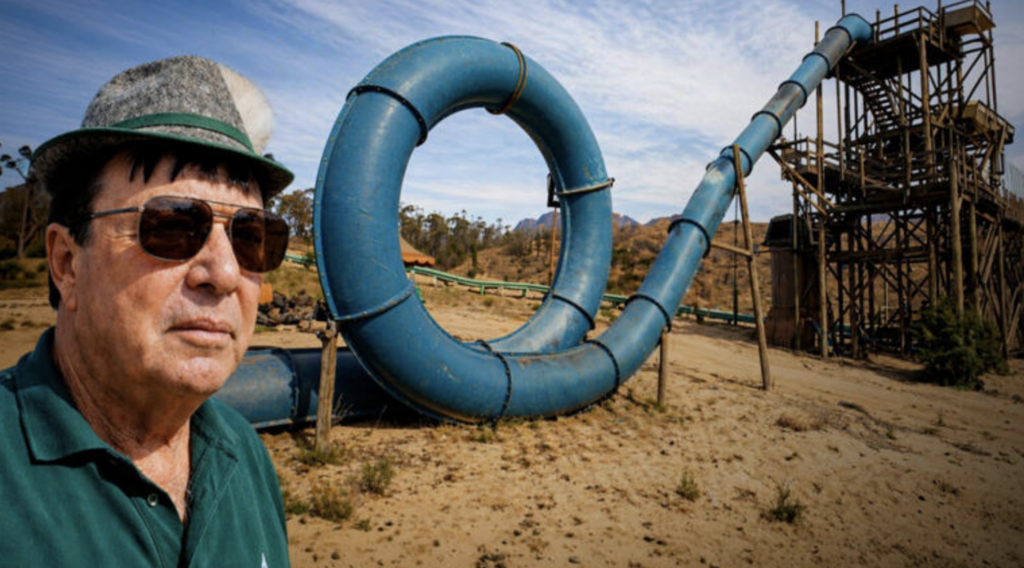
The Cannonball Loop was supposed to be a revolutionary waterslide featuring a complete vertical loop. However, during testing, problems appeared almost immediately. Riders struggled through the dangerous design, and some reportedly suffered serious injuries.
The ride lasted only a short time before being removed.
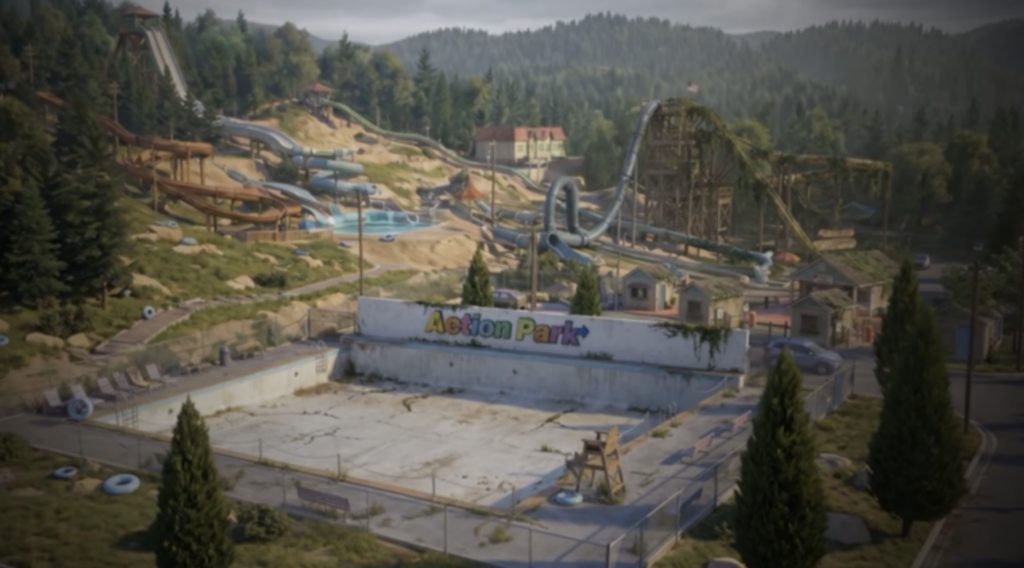
Then there was the wave pool.
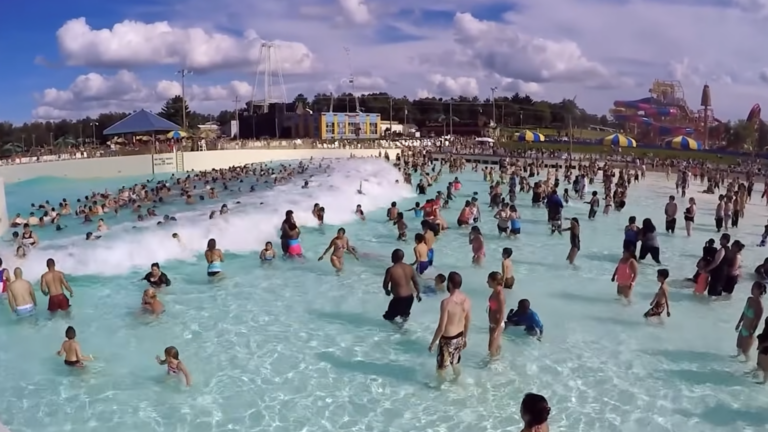
It became one of Action Park’s most popular attractions, but lifeguards gave it a much darker nickname: the Grave Pool.
Unlike a normal swimming pool, this wave pool was designed to imitate the ocean. The waves were powerful, and Gene Mulvihill refused to limit the number of people allowed inside.
At times, nearly 1,000 people crowded into the pool at once.
Visitors were constantly being knocked underwater, pushed into each other, and forced to fight for space. The freshwater environment also made it harder for exhausted swimmers to stay afloat compared to the ocean.
Lifeguards regularly pulled people from the water.
The pool eventually became connected to several deaths, including teenagers and young adults who drowned while visiting the attraction.
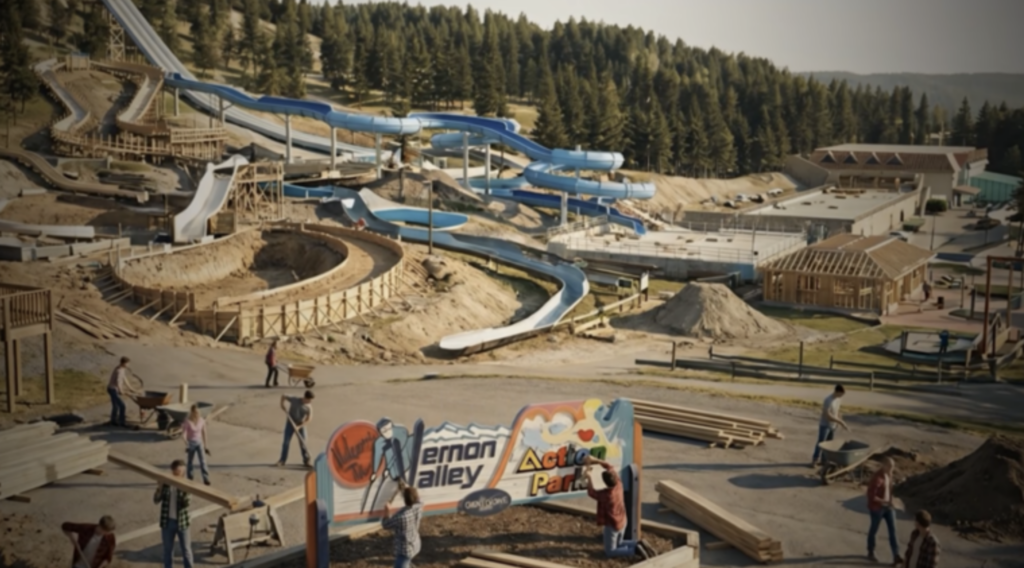
But the wave pool was only one part of Action Park’s dangerous reputation.
The Tarzan Swing launched guests from a rope into freezing spring water. Some people landed incorrectly, while others experienced shock from the sudden temperature change.
The Roaring Springs tubing ride sent visitors crashing into walls, other riders, and unexpected obstacles.
Even the staff added to the problems. Many ride operators were teenagers with limited training, and safety was often treated as less important than keeping the lines moving. In total, six people died at Action Park during its operation.
The first fatality occurred on the Alpine Slide when a rider lost control and hit a rock. Later deaths involved drowning, electrocution, and accidents caused by the park’s extreme attractions.
Despite the injuries and lawsuits, Action Park remained open for years.
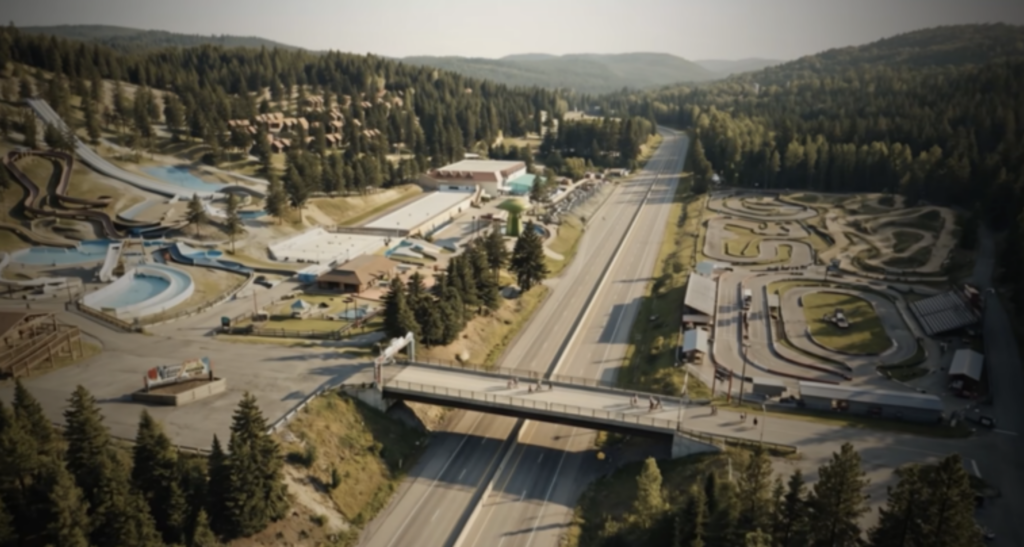
Gene Mulvihill fought many legal battles and created complicated insurance arrangements that helped protect the park financially. But eventually, growing debt, legal problems, and declining attendance caught up with him.
After the 1996 season, Action Park closed permanently.
Decades later, the park remains one of the most infamous examples of what can happen when entertainment goes too far.
For many former visitors, Action Park was terrifying, reckless, and unforgettable. It was a place where danger was part of the attraction, and where a simple day of fun could quickly turn into a disaster.