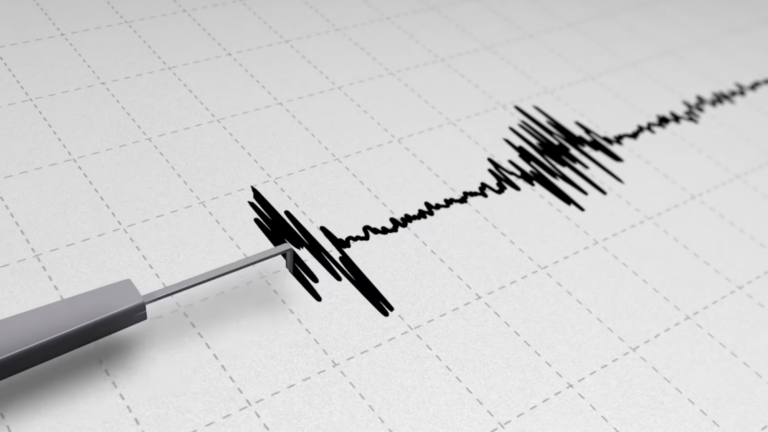
Powerful earthquakes recently ripped through Venezuela, shaking large parts of the western region and sending violent tremors across cities and surrounding areas. The seismic activity included multiple strong quakes that damaged buildings, disrupted infrastructure, and forced emergency responses across affected communities.
Early reports indicated significant structural damage, with injuries reported and a number of fatalities confirmed as rescue teams continued operating in unstable conditions. The event exposed just how vulnerable even modern cities are when the ground beneath them suddenly begins to move with such force.
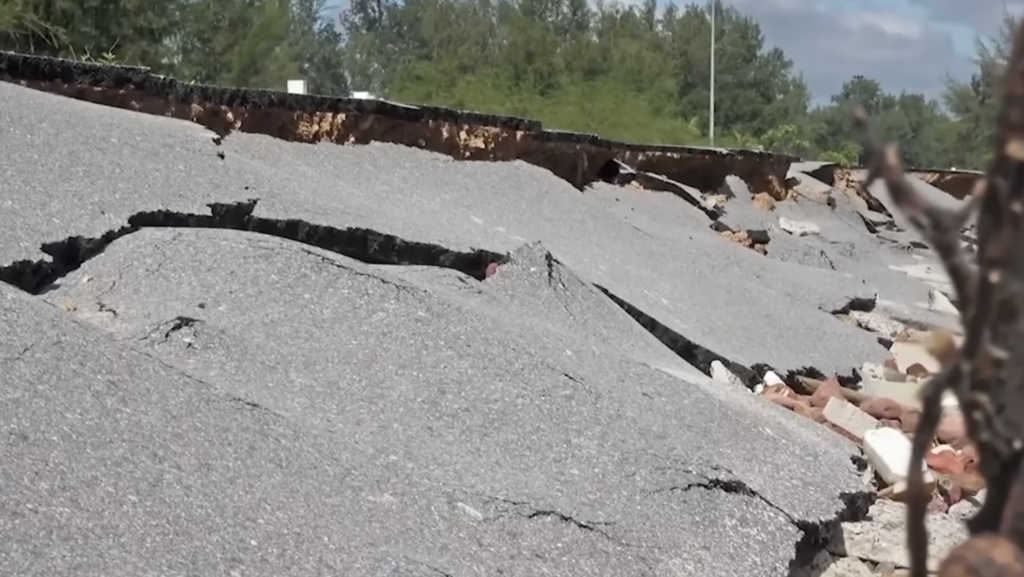
Events like this are a reminder that Earth is never truly still. The planet’s surface is constantly shifting as tectonic plates slowly grind against each other, building up pressure that is eventually released as earthquakes.
But what if that pressure never fully stopped? What if earthquakes did not come in short bursts, but instead continued nonstop for an entire year?
Earth’s tectonic plates are always moving. As they slide past one another, stress builds along fault lines until it suddenly releases in the form of an earthquake. Normally, this energy is released in seconds or minutes, followed by a period of calm. But in this scenario, there is no pause. Only continuous shaking.
On average, Earth experiences around 20,000 earthquakes each year, most of them too small to be felt. Larger ones are rare and usually last only seconds. Even major earthquakes rarely continue beyond a few minutes.
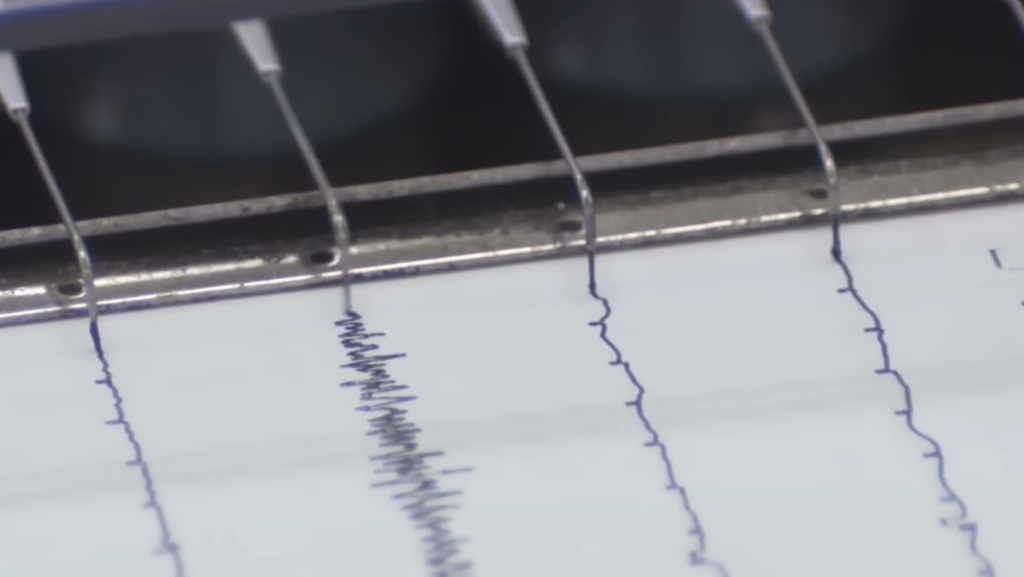
Now imagine that same energy stretched across 365 days.
Instead of brief shaking, the ground would remain in constant motion. Standing still would become extremely difficult. Objects inside homes would never truly settle. Furniture, structures, and infrastructure would be constantly under stress, slowly weakening over time.
Buildings are designed to handle vertical forces like gravity, but continuous lateral shaking would test their limits in a completely different way. Even the strongest modern structures would suffer cumulative damage, as small cracks and shifts grow worse with every passing hour.
The economic and human impact would escalate quickly. Large populations would be forced to relocate as homes become unsafe. Entire regions could become unlivable if infrastructure begins to fail faster than it can be repaired.
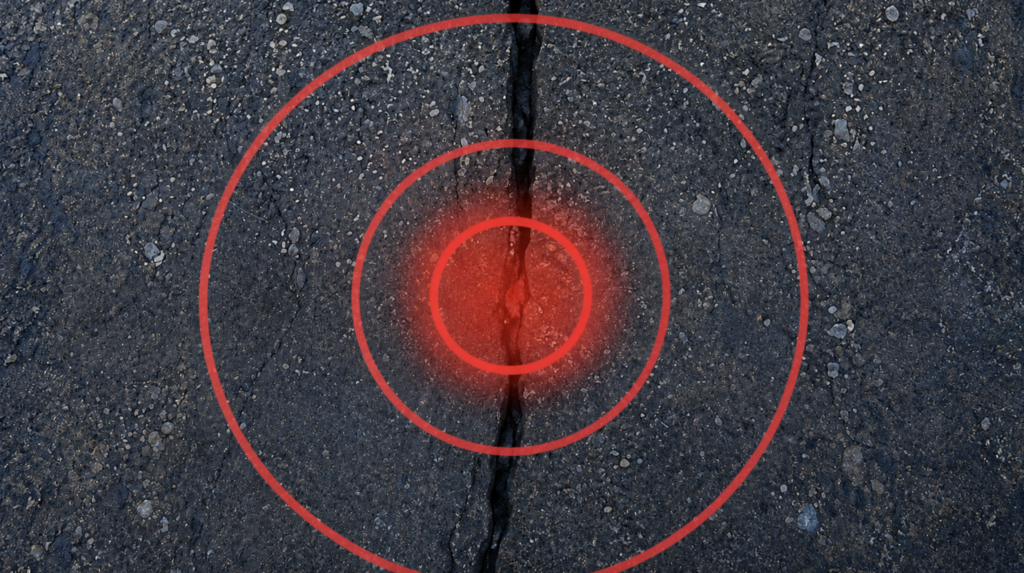
For people farther from earthquake epicenters, the experience would be different but still disturbing. Instead of violent shaking, there would be a constant rolling sensation beneath the ground. The brain would struggle to adapt to the mismatch between visual stability and physical motion.
This sensory conflict would lead to persistent nausea and disorientation. Even individuals who normally do not suffer from motion sickness would find daily life exhausting. There would be no true sense of stillness or rest.
Over time, the psychological impact would become just as serious as the physical one. People would live in a constant state of alertness, never fully trusting the ground beneath them. Anxiety, sleep disruption, and chronic stress would become widespread.
Even small-scale continuous seismic activity would disrupt life. In places like Anza, California, where thousands of small earthquakes have been recorded in short periods, residents have experienced how frequent tremors can still allow daily life to continue, but not without strain.
However, if stronger earthquakes continued for a full year, the situation would become far more severe. Noise, vibration, and uncertainty would become part of everyday existence. Long-term exposure could affect cardiovascular health and increase stress-related illness.
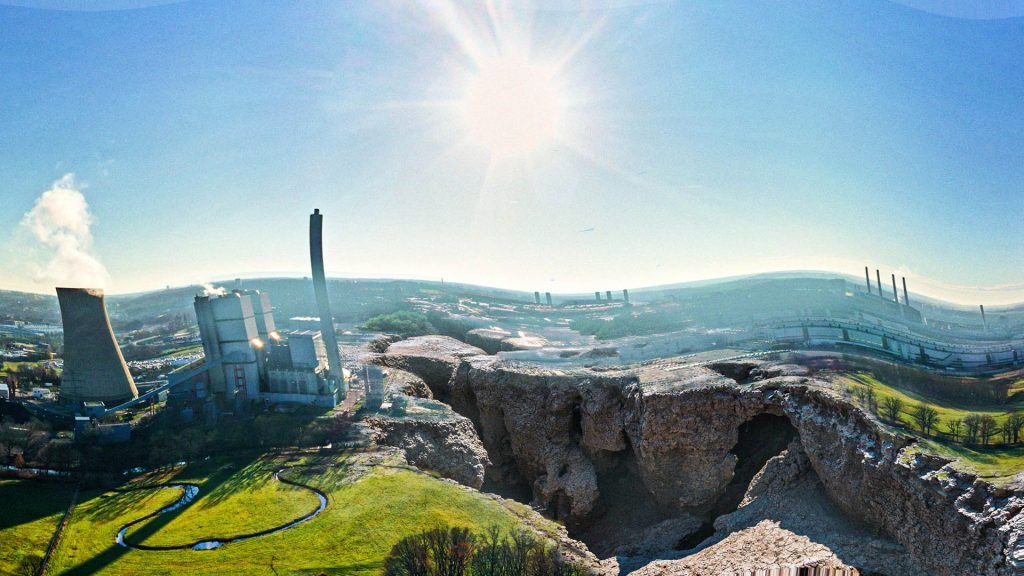
Despite all this, humanity would not simply stop functioning. Instead, life would adapt. People would redesign how they build, move, and live. Entire cities would need to be rethought from the ground up.
Engineers might turn to advanced materials capable of absorbing continuous stress. One possibility is spider silk, a natural material known for its incredible strength and flexibility. Under pressure, it can stiffen and distribute force, preventing localized damage.
Spider webs already demonstrate this principle in nature. When an insect collides with the web, the structure absorbs and redistributes the impact rather than breaking completely. This same idea could inspire future earthquake-resistant architecture designed to survive constant motion.
In the end, a year of nonstop earthquakes would not just be a geological disaster. It would be a complete redefinition of how humanity lives on a moving planet.