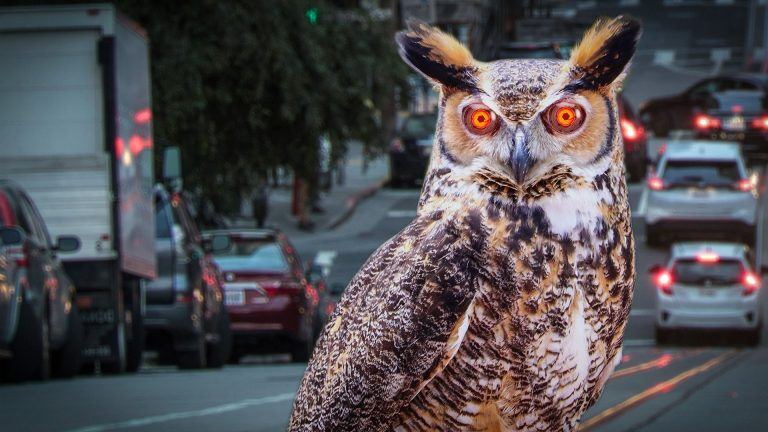
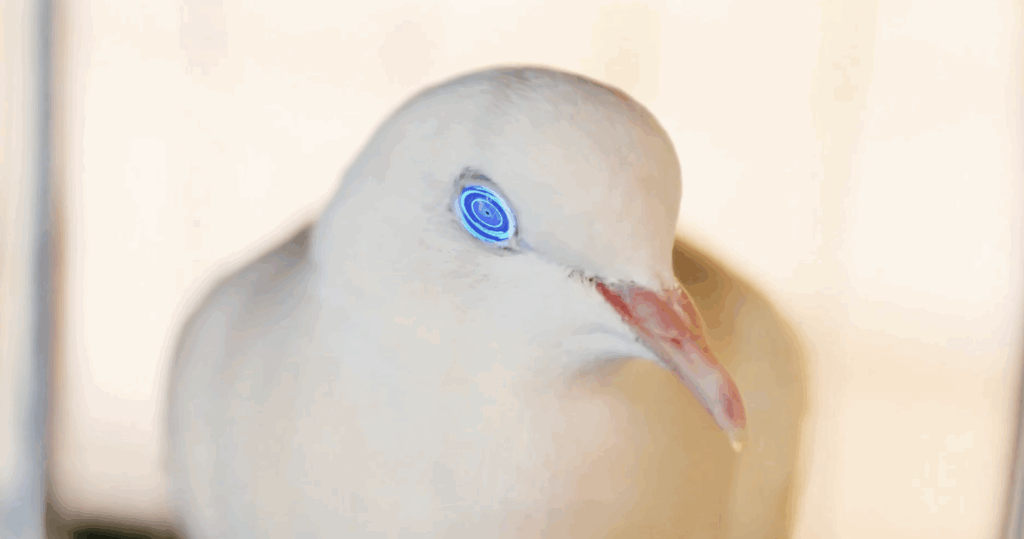
Imagine stepping outside your house and realizing you are never truly alone. A pigeon sits on a telephone wire across the street. A squirrel runs along a fence. A deer watches from the edge of a forest. Normally, these animals would barely attract your attention.
But what if every creature around you was quietly collecting information?
In this world, wildlife is not just wildlife. Every bird, insect, and mammal forms part of a massive monitoring network spread across the entire planet. Together, they create a living surveillance system capable of observing almost everything humans do.
At first, it would sound impossible. There are simply too many animals. Scientists estimate that there are billions of birds and trillions of insects on Earth. Tracking every person with cameras would be expensive and difficult. Using wildlife would solve that problem almost instantly.
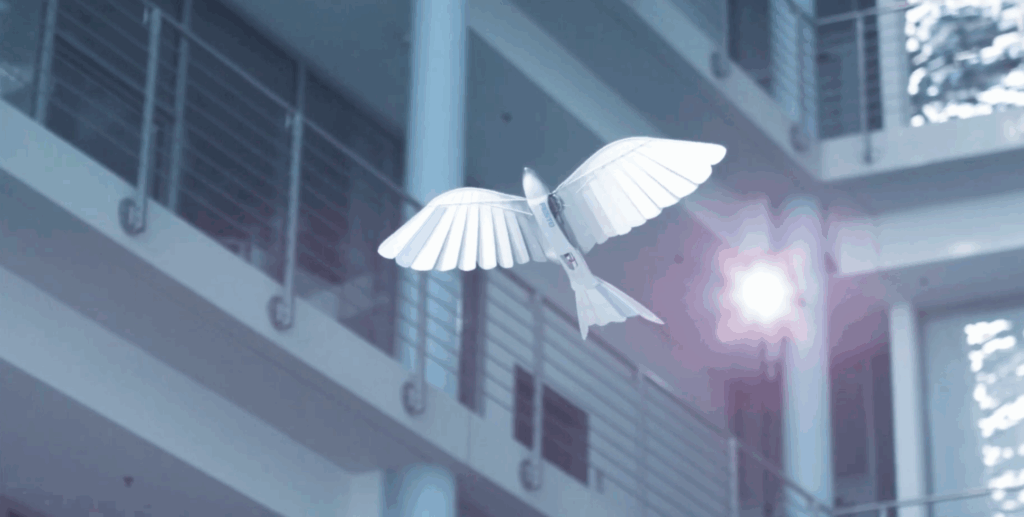
Suddenly, every park becomes an observation point.
That sparrow sitting on a bench might not be there by chance. The seagulls near the beach could be recording movement patterns. Even the crow watching from a tree branch may be gathering information.
Privacy would become incredibly difficult.
People would start paying attention to animals in ways they never had before. They would wonder why a pigeon keeps returning to the same window or why a flock of birds suddenly changes direction whenever someone walks outside.
Conspiracy theories would explode across the internet. Entire communities would form around identifying suspicious animal behavior. People would trade stories about strange encounters with wildlife and search for patterns that might reveal the truth.
Pets would create even bigger concerns.
What if your dog knew your daily schedule? What if your cat somehow tracked every visitor who entered your home? Every conversation around your pets might suddenly feel less private.
People would become suspicious of the natural world itself.
Businesses would quickly adapt. Restaurants might advertise wildlife free dining areas. Expensive homes could feature enclosed gardens where no birds or insects can enter. Entire industries would emerge around creating spaces that supposedly protect people from observation.
Travel would also feel different.
Imagine visiting a remote mountain and believing you finally escaped civilization, only to notice birds circling overhead. You walk through a forest and realize that animals are everywhere. Even the most isolated places on Earth would no longer feel completely private.
Governments would face difficult questions as well.
Who controls this network? Who has access to the information? How long is it stored? Could anyone request information gathered by the system?
These questions would dominate public debate.
But perhaps the most surprising consequence would be psychological.
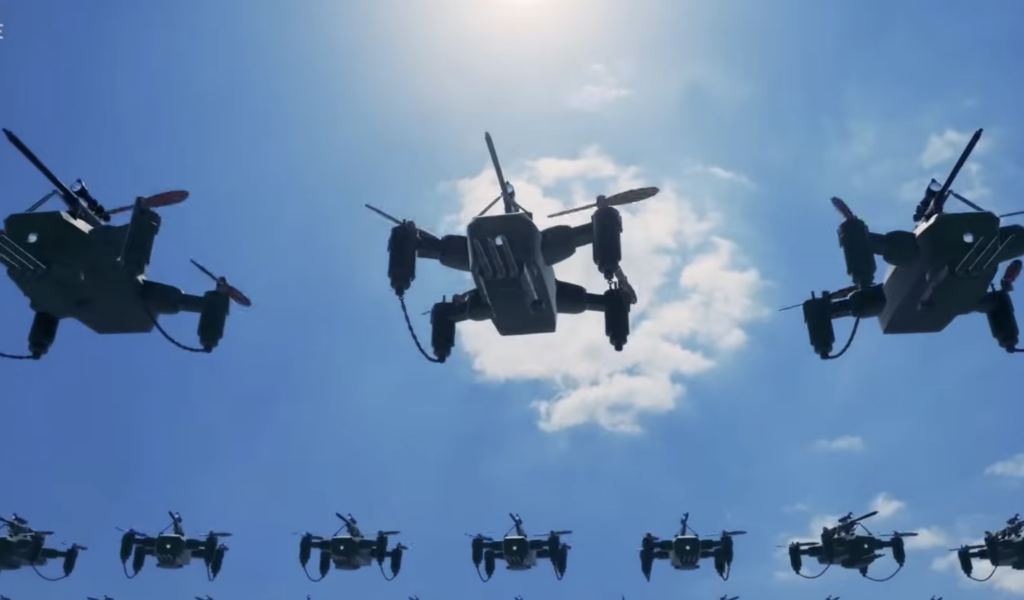
Humans are accustomed to being observed by cameras because cameras are obvious. They hang from buildings and sit on street corners. Wildlife is different. Animals move naturally through our environment. They are so ordinary that most people barely notice them.
That would make the entire world feel different.
A pigeon would no longer be just a pigeon. A butterfly would no longer be just an insect. Every animal encounter would carry a sense of uncertainty.
Over time, people might begin spending less time outdoors. Parks and forests could become places of anxiety instead of relaxation. Children might grow up seeing wildlife not as part of nature but as something to be cautious around.
The irony is that humanity has spent thousands of years observing animals.
In this strange new world, it would feel as though the animals had finally started observing us.
And the next time you notice a bird quietly watching you from a nearby branch, you might find yourself asking one uncomfortable question.
How long has it been there?