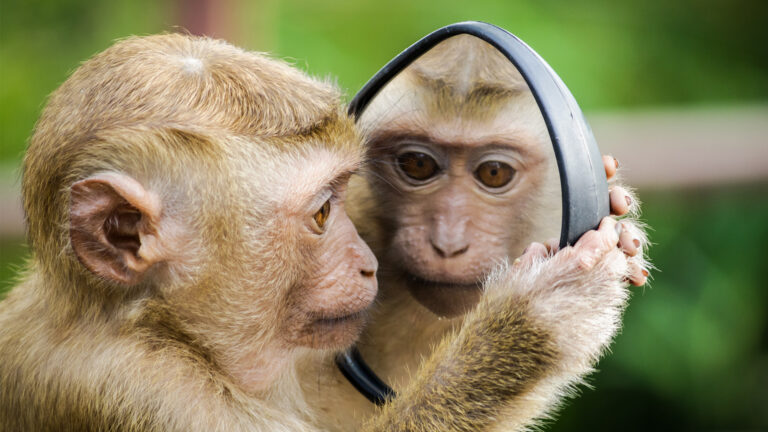
Could monkeys one day become more intelligent and work alongside humans?
It sounds like something from a science fiction movie, but scientists have already begun experiments that explore how human genes influence brain development in other species.
Researchers in China modified monkeys by introducing a human gene linked to brain growth. The goal was not to create a new intelligent species, but to better understand one of the biggest mysteries in science: how the human brain became so advanced.
The human brain is unlike any other on Earth. Compared with other primates, humans have a much larger capacity for learning, memory, language, and problem solving. Scientists believe that certain genes played an important role in this development.
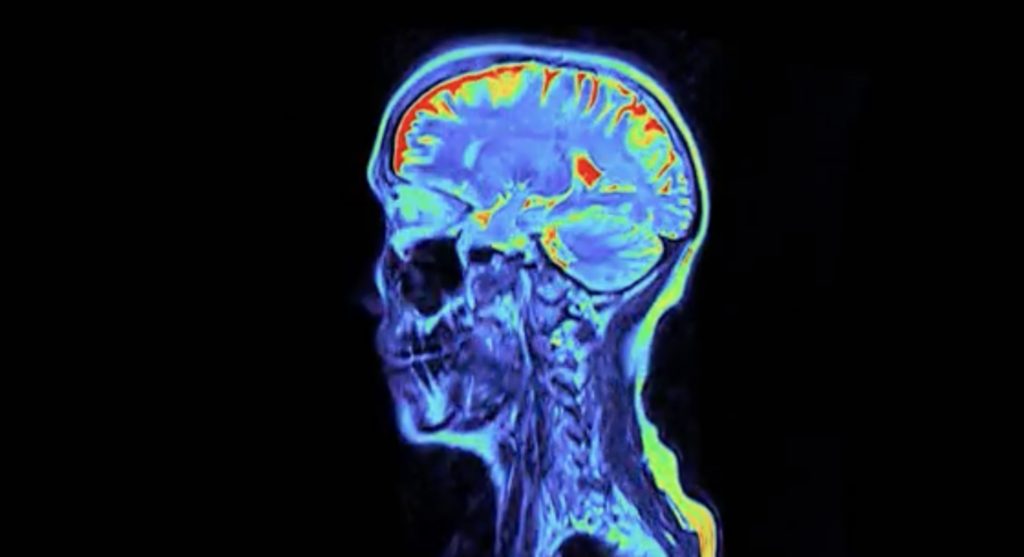
One of these genes is known as MCPH1, which is involved in brain development. Researchers introduced a human version of this gene into monkeys to study whether it would affect how their brains matured.
The results were surprising.
The genetically modified monkeys showed slower brain development compared with normal monkeys. However, as they grew older, they performed better in certain intelligence tests.
The modified monkeys demonstrated improved memory and faster reaction times. In some experiments, scientists found that their cognitive abilities appeared closer to those expected from young human children.
These findings raised important questions about the future of genetic research.

If scientists can increase brain abilities in animals, could similar techniques eventually be used to treat human brain disorders? Researchers believe studying these genetic changes could help them understand conditions related to brain development and potentially lead to new medical treatments.
However, the experiments also created serious ethical concerns.
Changing the brains of animals raises questions about their welfare and what happens if future experiments create animals with higher levels of intelligence. Would these animals require different protections? Would it be ethical to continue testing on them?
The experiment itself also faced criticism because not every modified monkey survived. Out of 11 monkeys that received the human gene, only five survived, highlighting the risks involved in this type of research.
Scientists working in this field must carefully consider the balance between discovery and responsibility.
The possibility of creating animals with enhanced intelligence creates a future filled with difficult questions. If researchers continue modifying the brains of other species, there could be consequences that are impossible to predict.
Could these experiments eventually help humans understand our own evolution and develop treatments for neurological diseases?
Or could they push science into territory where the line between humans and other animals becomes unclear?
For now, scientists are still trying to understand exactly how a single gene can influence something as complex as intelligence.
But one thing is certain: the ability to change the minds of other species opens a new chapter in genetic research, and it forces humanity to ask a difficult question.
How far should we go in changing the natural world?