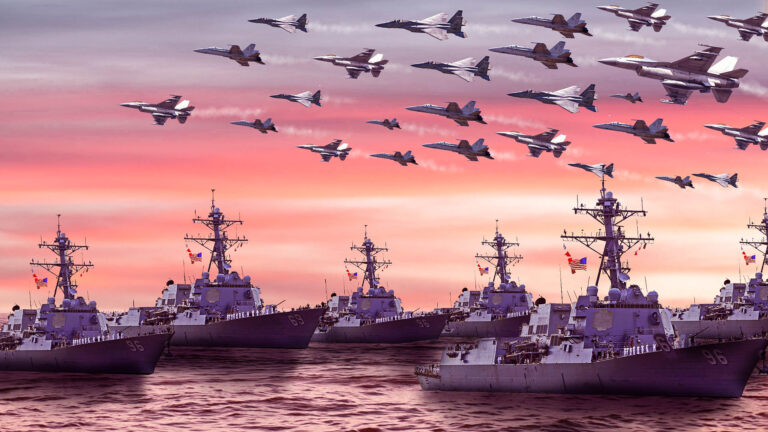
Serving and protecting the United States is a big responsibility. But its seven services have things covered, even outer space. Tonight it’s sea versus sky as we see what happens when the Navy and the Air Force face-off on the front lines.
In this corner, bringing the strength of a tidal wave is the mighty U.S. Navy. To protect ports and secure the seas, the Navy utilizes ships, submarines and other vessels. That includes 293 battleships and 3,700 aircraft.
The Navy’s fighters are skilled across the board, rather than specializing in only one area. The U.S. Navy boasted almost 342,000 active duty personnel in 2020. Yeah, that’s a lot of sailors.
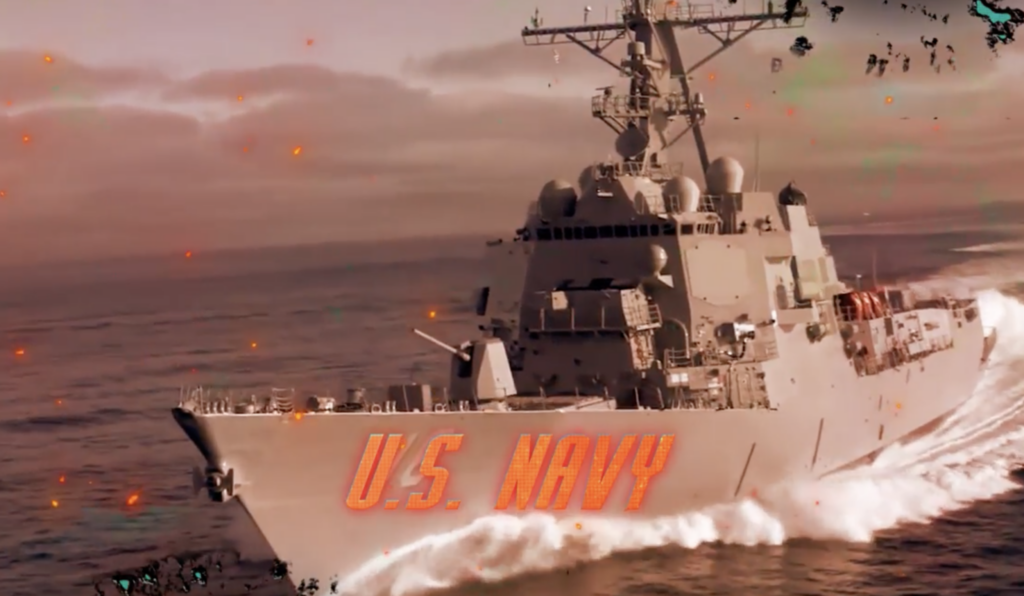
While the Navy is designed for support rather than combat, it can certainly defend its ships and pack a punch. But does it stand a chance against their sky-high competitor?
Guarding the atmosphere and beyond is the U.S. Air Force. Founded in 1947 after World War II, this service focuses on battles in the air and space.
With 5,300 state-of-the-art aircraft at its disposal, the U.S. Air Force is ready for anything. The U.S. Air Force came in with over 329,000 active duty personnel, giving the Navy the numbers edge. But that’s not all the Air Force has to offer. They’re bringing a whopping 4,126 aircraft to the showdown.
The Air Force’s top quality technology is intimidating, to say the least. But will it be enough to defeat its naval nemesis?
Round 1: OFFENSE
The Air Force wastes no time and targets the Navy’s aircraft carriers, knowing these will be what its enemy relies on in battle.
The Navy retaliates from the water, launching missiles from its submarines a whopping 7,360 km (4,600 m) away. These subs and warships pack a punch, but air superiority is the key here.
Even the Navy’s most trusted aircraft, the F-18 Super Hornet, can’t match the Air Force’s F-15 Strike Eagle. These powerful planes reach speeds of up to 3,018 km/h (1,875 mph) and their engines produce 13,154 kg (29,000 lb) of thrust.
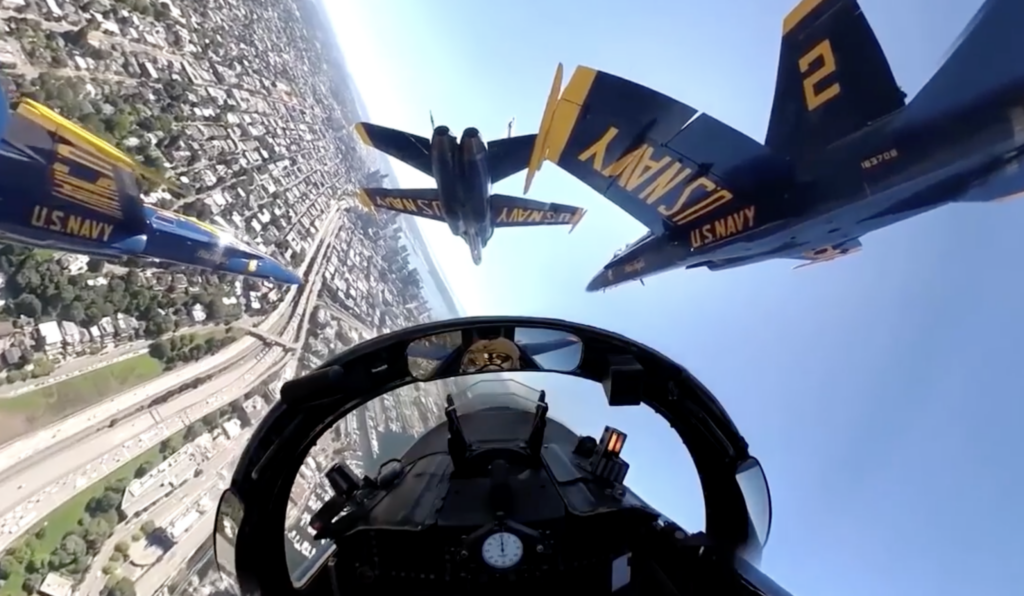
Compared to the Navy’s Hornet, this would give the Air Force a 1,126 km/h (700 mph) speed advantage as its Strike Eagles can travel 3,018 km/h (1,875 mph), and produce 13,154 kg (29,000 lb) of thrust. With their trusty F-15s able to carry 10,000 kg (23,000 lb) worth of fuel and weapons, sinking the Navy’s aircraft carriers is only the beginning. The Air Force takes the offensive championship, but can they deliver on defense?
Round 2: DEFENSE
The persistent Navy turns its focus to defense. The Air Force may have the sky advantage with its aggressive aircraft, but the Navy’s anti-missile defense systems lower the jets’ effectiveness.
The Navy trains to neutralize enemy fleets, so its F-18s can hold up against the Air Force’s F-15s in a dogfight. The Navy’s destroyer and corvette ships continue defending their turf and striking steadily at the Air Force’s airfields.
Oof! The Navy just barely wins this round, folks. But what happens when its relentless rival sends in reinforcements?
Round 3: SKILLS & TRAINING
The brute force of these forces’ ships, planes and weaponry isn’t the only thing to consider. The Navy expertly protects the sea, but its aircraft technology doesn’t come close to what the Air Force has. What’s more, the Air Force’s personnel also train for ground attacks.
What’s this?! With the beatdown coming from all sides, the Navy is tapping out.
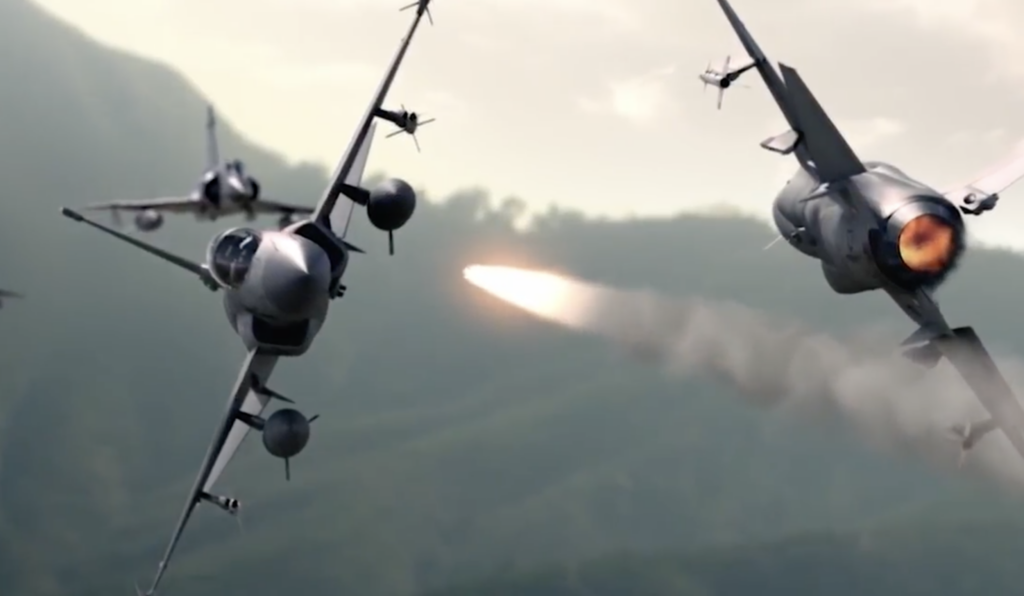
Ruling the skies and the ring, the Air Force is the winner! While both fighters have what it takes to defend their country, the Air Force’s advantage is in air superiority. Defending the sea is no easy feat, but controlling the sky and space takes incredible tech and training.
The Air Force skyrocketed its way to success tonight!!