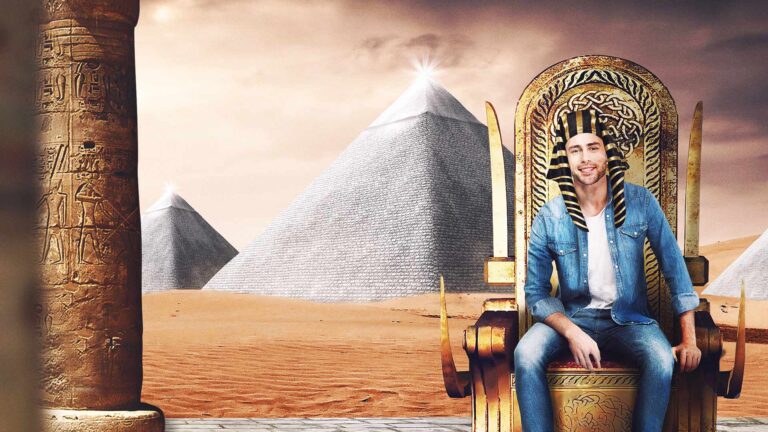
Imagine a time of scientific and mathematical innovation, magic, and fertile land irrigated by the great Nile River. Ancient Egypt was a successful and intelligent civilization that lasted for 3,000 years.
What do you think your life would be like if you were an Egyptian during this time period? And let’s pretend it’s a good period, no droughts, locusts, plagues, or famine for you.
Ancient Egyptians believed in strict social structures. Depending on the class or trade you were born into, your life would be vastly different.

The hierarchical pyramid of social status and wealth was composed of slaves and servants, tenant farmers, specialists like sailors and soldiers, education professionals, and finally the elite.
Who would you be?
At the bottom of the social pyramid were slaves. They came from foreign lands but were not of a single race. And while they could negotiate their contracts, they were still bonded laborers and worked in exchange for food and shelter.
At the very top of the pyramid was the ruler who reigned over everyone. There were 300 rulers throughout Ancient Egypt’s existence. While we call them Pharaohs today, that wasn’t their actual title in Ancient Egypt.
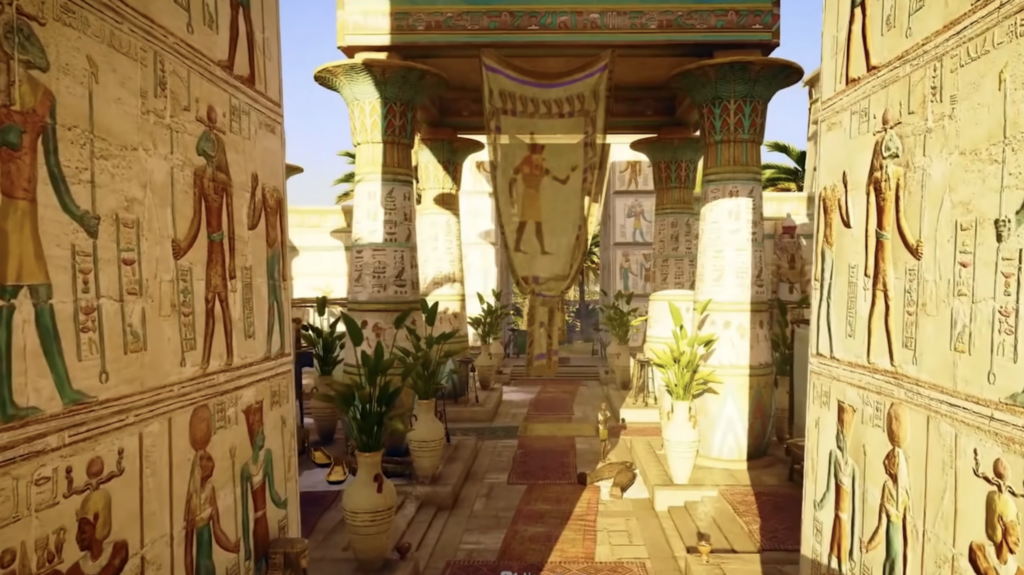
Rulers did not necessarily have to be men or Egyptian, but they were seen as divine liaisons between the gods and the people.
Life would be drastically different depending on your gender. Like many ancient civilizations, Egypt had strict gender roles.
But you still had the same legal rights. Women could own property and live alone if they chose to. However, marriage was seen as a social and economic necessity, no matter your gender.
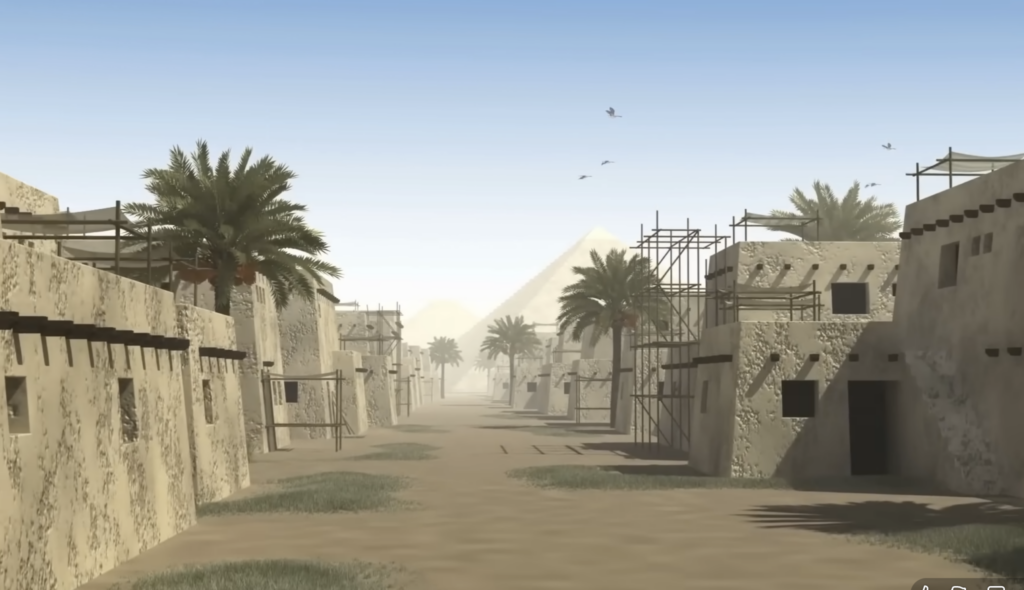
So if you lived in Ancient Egypt, you’d probably be married and have a brood of children. You would live in a house built of mud bricks with a stone oven and pits dug into the ground for food storage. If you were an elite family, then lucky you. As a nobleman or woman, you would be waited upon by your servants.
After a breakfast of bread and fruit, the man of the house would take his chariot down to his estate on the banks of the Nile. After touring the grounds and maybe meeting with the estate overseer about the year’s harvest, you might take a quick nap. Once you’re rested, you would meet up with a friend to hunt wildfowl on your estate.
At home, as a woman, you would spend the day supervising plans for a banquet.
Before the banquet begins, you would adorn yourself with gold and semi-precious stones to further show your wealthy status. Now you’re ready to greet your guests as they arrive in chariots and litters, which were wheelless enclosures carried on the shoulders of servants.
Nobleman or woman, you feast on geese, duck, fish, ox, and gazelle. Followed by grapes, figs, dates, and melons. Once the party is over, you head to bed while your servants clean up.
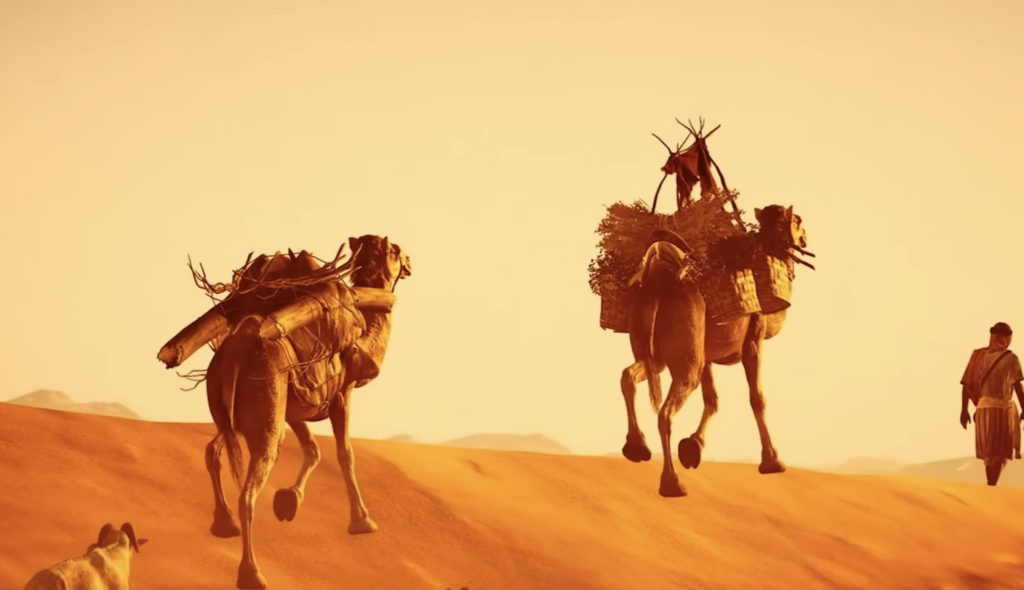
Life as a farmer is not nearly as grand. If you’re a man, you spend the day working in the fields and tending to cattle or ducks. On tax day, you would pack up some of your harvest and bring it to the temple as payment for the land.
If you’re a woman, you spend the day grinding wheat, making bread, and raising children.
For food, you mainly eat bread, beer, garlic, and if you’re fortunate, a little bit of meat. Maybe you’re neither part of the elite or a farmer, but a pyramid builder. You wouldn’t be a slave, but you would live a life of hard labor. You would be one of 10,000 devoted workers.

Since it took 30 years to build one pyramid, you would probably work on the same monument for your entire life. Which would be shorter than your fellow Ancient Egyptians because of all that hard labor. At least you get to eat meat regularly and get an honorable burial once you die.
No matter your status, you would worship several thousand gods. And for fun, you would play board games such as Mehen or Senet to pass some free time.

Overall, the quality of your life would drastically depend on your ruler and the time period. There were three periods of prosperity and two periods of instability during this civilization.
Fear of famine caused by droughts or locust was also a constant threat. But you’d still have better luck living a good life in Ancient Egypt than you would in the Middle Ages.