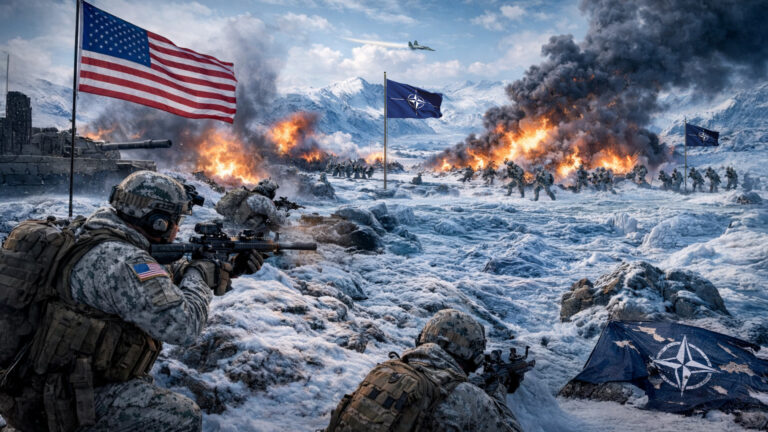
It’s January 2027. No warning sirens sound across America or Europe. No emergency alert flashes across your phone. By the time the world realizes how serious things have become, the old alliance is already dead.
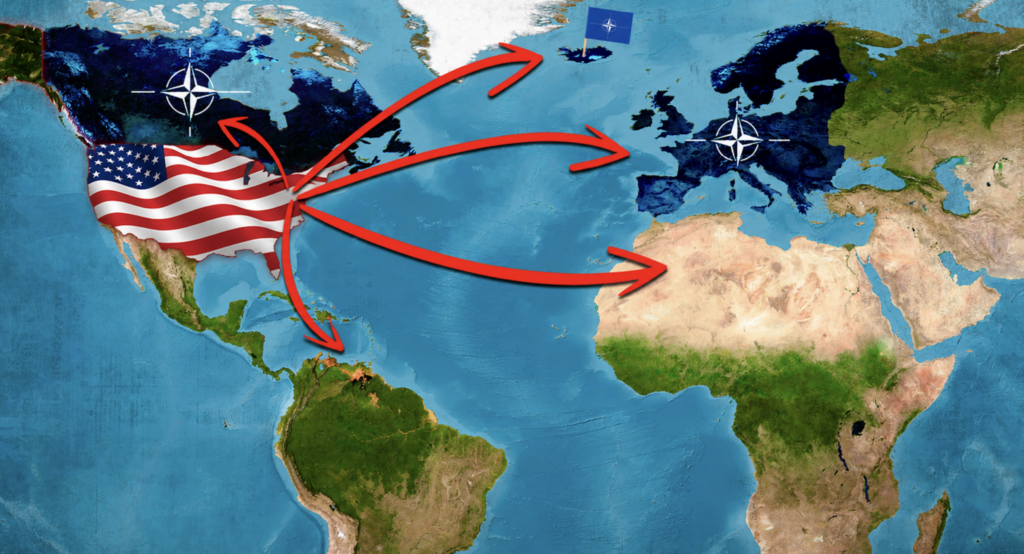
In this fictional scenario, the United States and NATO are no longer partners. They are rivals staring each other down across the Atlantic Ocean. What begins as a political crisis over Greenland quickly spirals into economic warfare, cyberattacks, military standoffs, and a collapse of the global system people rely on every day.
This is not a prediction. It is a hypothetical look at what could happen if the world’s most powerful military alliance shattered from within.
And it all starts with one frozen island.
The Greenland Crisis
Greenland may look isolated and empty, but it occupies one of the most strategic positions on Earth. As Arctic ice melts, new shipping routes and untapped resources are becoming increasingly valuable. The island is also home to the Pituffik Space Base, a key American military installation used for missile warning and Arctic defense.
In this timeline, Washington decides Greenland is too important to remain under Danish control. American leaders argue that Russia and China are becoming more active in the Arctic and that the United States must secure the island before its rivals gain influence there.
Denmark refuses to negotiate.
At first, the situation seems almost absurd. Social media fills with memes about Greenland becoming the next American state. Late night comedians joke about buying the island. But behind the scenes, governments begin preparing for something far more dangerous.
The United States places heavy tariffs on European goods and deploys forces to Greenlandic ports and airfields. Denmark immediately calls for an emergency NATO meeting.
That meeting changes everything.
NATO Falls Apart
For nearly 80 years, NATO has operated on one simple principle: if one member is threatened, the others stand together. The United States has always been the alliance’s strongest military power and its unofficial leader.
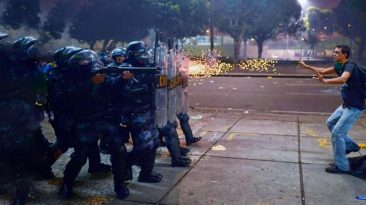
But in this fictional crisis, America refuses to cooperate with its allies and warns Europe not to interfere in Greenland. Suddenly, NATO members are no longer united against outside threats. They are confronting each other directly.
Europe reacts with outrage. Canada supports Denmark, fearing the crisis could destabilize the Arctic region. Within weeks, diplomatic relations collapse into sanctions, military restrictions, and political chaos.
American troops stationed across Europe suddenly find themselves unwelcome. Fuel access is restricted. Supply shipments are delayed. Airlines cut routes between the United States and European cities. Bases that once represented cooperation now feel like isolated outposts trapped behind hostile borders.
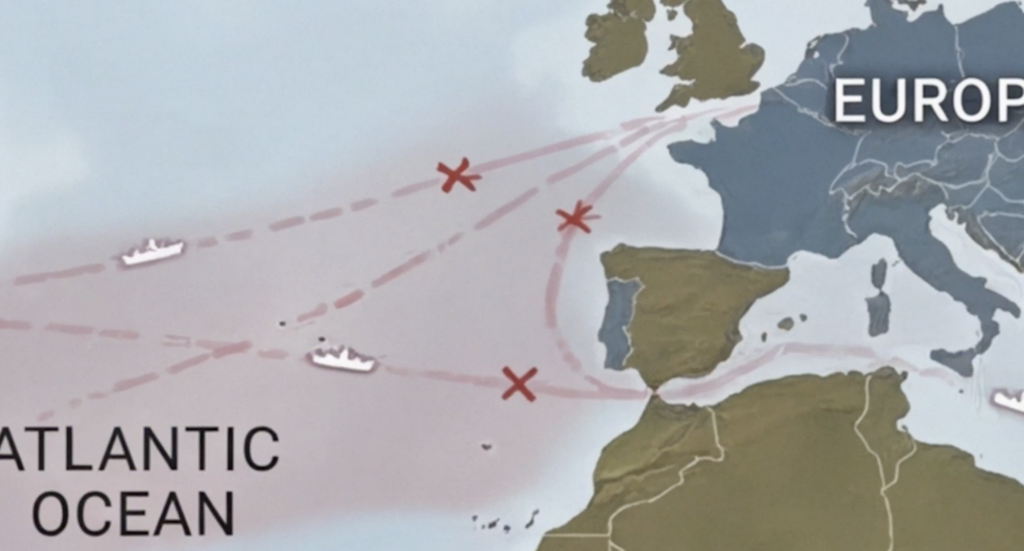
The first battles are not fought with missiles or tanks. They are fought with trade, banking systems, and supply chains.
European ports close to American military vessels. Financial sanctions spread across both sides of the Atlantic. Shipping routes become unstable. Grocery prices rise almost immediately. Then the first military incident occurs.
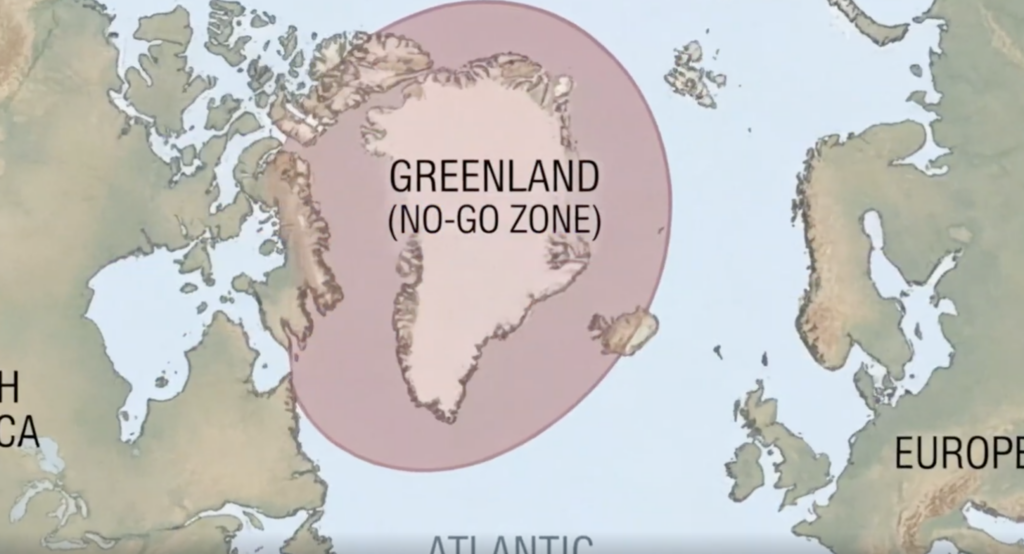
A European surveillance drone crosses into a new American controlled exclusion zone near Greenland. U.S. fighter jets intercept it and force it away. No shots are fired, but trust completely evaporates. At the same time, Russia sees opportunity.
In this scenario, Russian forces quietly move into Narva, a border city in Estonia. In the past, NATO would have responded together. But now Europe is consumed by its conflict with Washington.
The message to the world is clear: the old global order is gone.
America vs Europe
On paper, the United States still appears unstoppable. America possesses the world’s most powerful navy, advanced stealth aircraft, nuclear submarines, and global strike capabilities. But NATO without the United States is still an enormous force.
The combined militaries of countries like the United Kingdom, France, Germany, Poland, and Italy create a massive defensive coalition with advanced industries and hundreds of millions of people. Europe’s greatest advantage is geography.
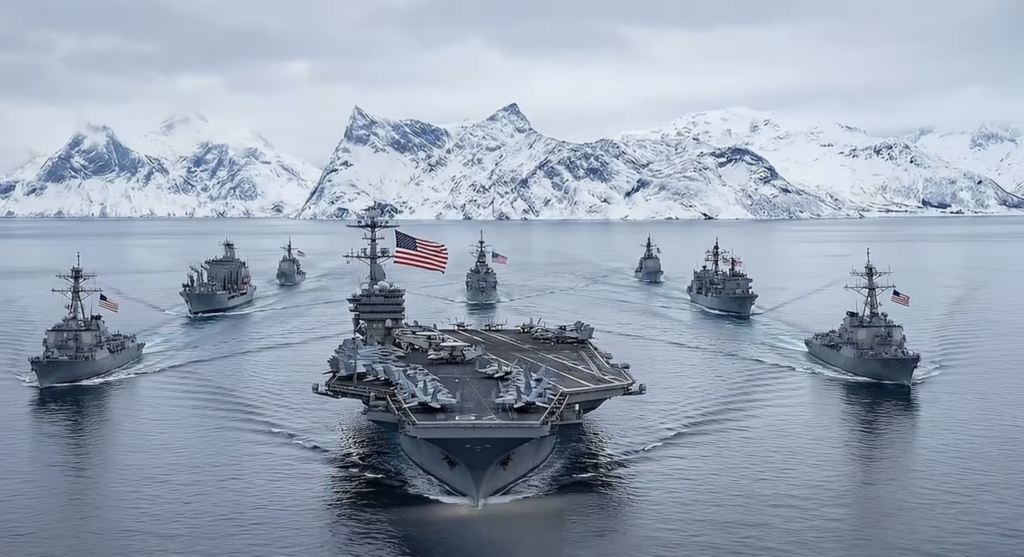
American military power depends heavily on overseas bases and allied ports. In this conflict, Europe shuts those doors completely. U.S. warships suddenly lose access to critical repair facilities and refueling stations across the Atlantic.
The ocean that once protected America now becomes a logistical nightmare.
Instead of launching full scale invasions, both sides begin using pressure and attrition. Europe attempts to isolate the U.S. economically while America relies on long range naval strikes and air power to maintain influence overseas. Ordinary civilians begin feeling the consequences almost immediately.
Fuel prices surge. Flights become expensive and unreliable. Banks experience delays in international transactions. GPS systems begin suffering disruptions caused by electronic warfare and cyberattacks. The crisis slowly moves from television screens into everyday life.
The Blockade of Shadows
By the middle of 2027, the conflict enters a far more dangerous phase. Europe forms a new military and trade coalition that excludes the United States entirely. American ships are denied entry into major European ports, leaving the U.S. Navy struggling to maintain supply routes across the Atlantic.
The economic impact becomes severe. Fuel prices climb above $9 per gallon as shipping routes grow longer and more dangerous. Pharmacies begin reporting shortages of insulin, antibiotics, and specialized medicines because many critical ingredients come from European suppliers.
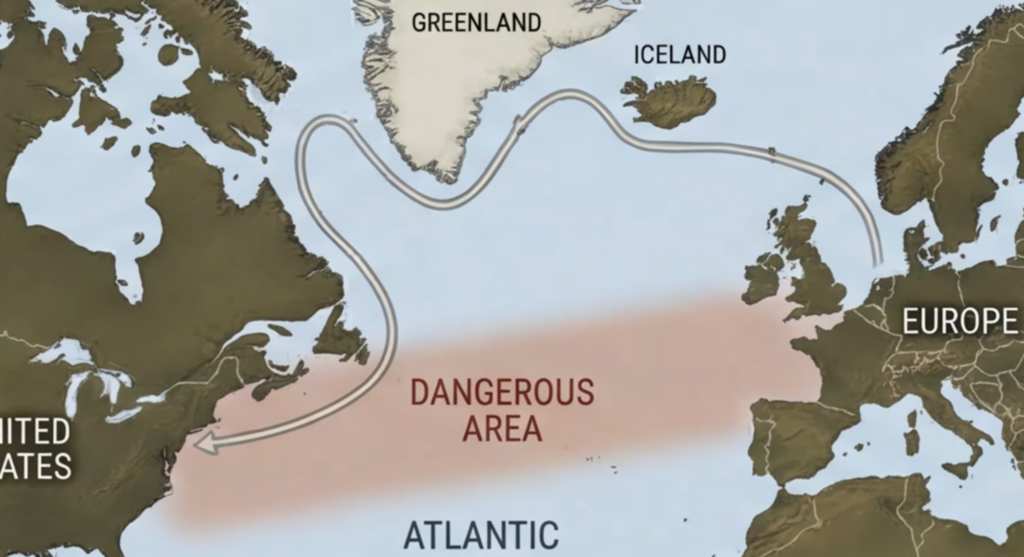
Then China steps into the chaos.
Rather than joining the fighting directly, Beijing presents itself as a stable alternative to both America and Europe. China signs new trade agreements across Africa, South America, and Asia while Western powers weaken each other. But China’s most powerful weapon is information.
Artificial intelligence generated videos flood social media with fake footage of riots, collapsing banks, and military disasters. People no longer know what information to trust. Panic spreads faster online than governments can control it. The war becomes psychological as much as military.
The Collapse of Modern Systems
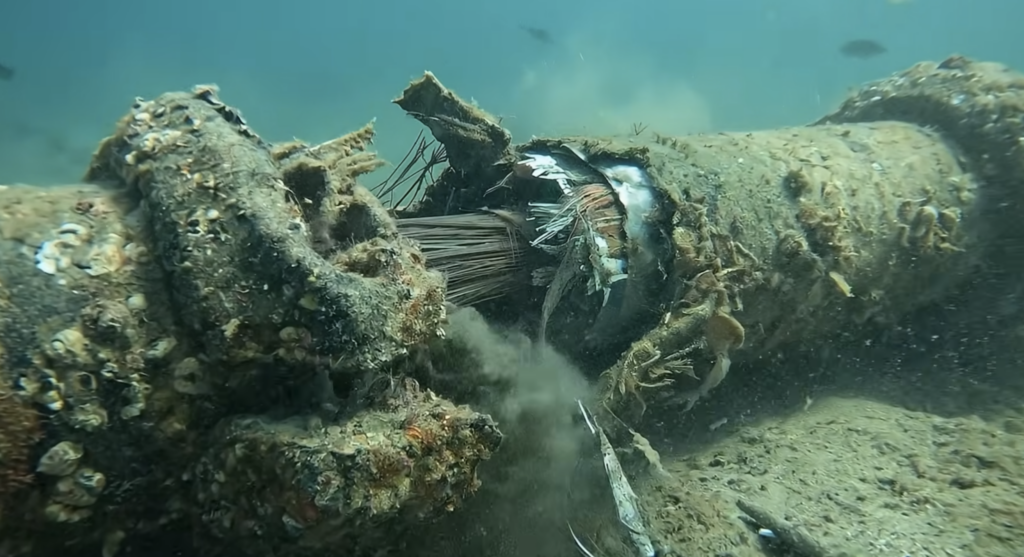
By late summer, the conflict reaches civilian infrastructure directly. Cyberattacks target power grids, pipelines, hospitals, and communication systems across both America and Europe. Major cities suffer rolling blackouts. Water treatment facilities stop functioning properly. Internet connections become unstable after attacks on undersea communication cables.
Without reliable internet, global supply chains begin collapsing. Credit card systems fail. Deliveries stop arriving. Grocery stores struggle to restock shelves. Hospitals run dangerously low on fuel for backup generators. Most deaths during this phase are not caused by combat.
They are caused by absence.
No electricity. No medicine. No clean water. No transportation. The systems modern civilization depends on begin breaking down one by one. Then comes the most terrifying moment of the entire conflict. Heavy electronic interference creates a false signal inside American early warning systems. A satellite mistakenly detects what appears to be a nuclear launch coming from Europe.
For several terrifying minutes, leaders believe nuclear war may have started. Only human hesitation prevents catastrophe.
The moment echoes the real 1983 incident involving Soviet officer Stanislav Petrov, whose decision to ignore a false alarm may have prevented nuclear war during the Cold War.
In this scenario, caution wins again. But the near disaster shocks both sides into halting further escalation.
The Frozen World
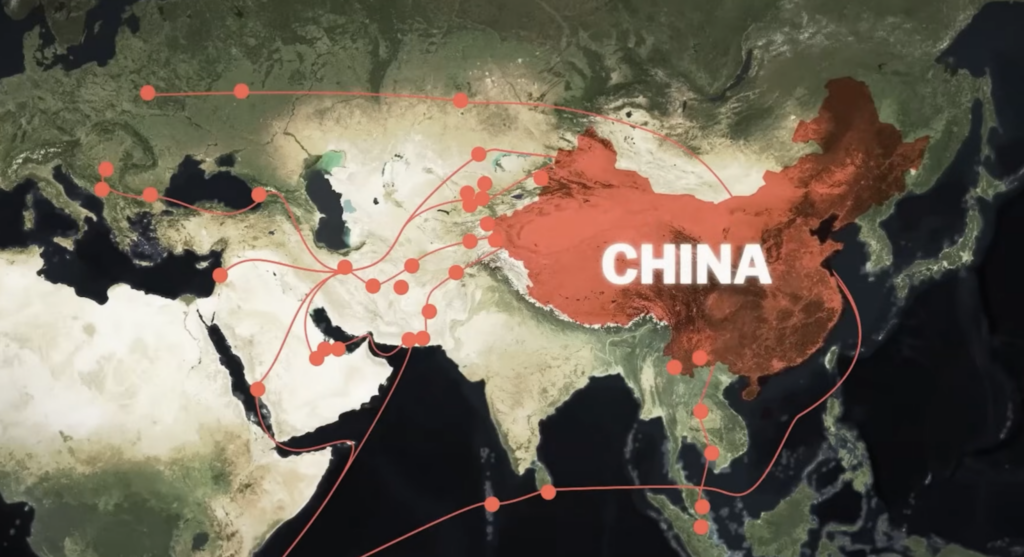
By the end of 2027, the war settles into a cold stalemate. No side truly wins. No peace treaty is signed. Instead, the Atlantic Ocean becomes a heavily monitored frontier filled with drones, submarines, satellites, and surveillance systems. Russia maintains control over newly occupied territory in Eastern Europe. China expands its economic influence across the developing world.
The United States remains powerful, but increasingly isolated.
For ordinary people, life becomes smaller, more expensive, and less connected. Imported products become harder to find. International travel declines sharply. Supply chains remain fragile long after the fighting slows down. The era of easy globalization comes to an end.
So who wins a war between the United States and NATO?
The uncomfortable answer is nobody. America’s military strength could dominate many direct battles, but NATO’s combined industrial power, geography, and economic leverage would make total American victory extremely difficult. At the same time, Europe would struggle to defeat the United States outright across the Atlantic.
The result would likely become a long and devastating stalemate that weakens the entire world. And in the end, the real casualties would not just be soldiers. They would be the millions of ordinary people caught inside the collapse of the systems they depend on every day.