Most people dream about adventure, but very few are willing to face the brutal reality of climbing Mount Everest. Rising along the border between Nepal and China, Everest towers nearly 8,850 meters above sea level, making it the tallest mountain on Earth. It was formed millions of years ago by colliding tectonic plates, and even today the mountain continues to rise a little higher every year.
But Everest is far more than a breathtaking landmark. It is one of the deadliest environments humans willingly enter. Hundreds of climbers have lost their lives attempting to reach the summit, and the mountain shows no mercy to those who underestimate it.
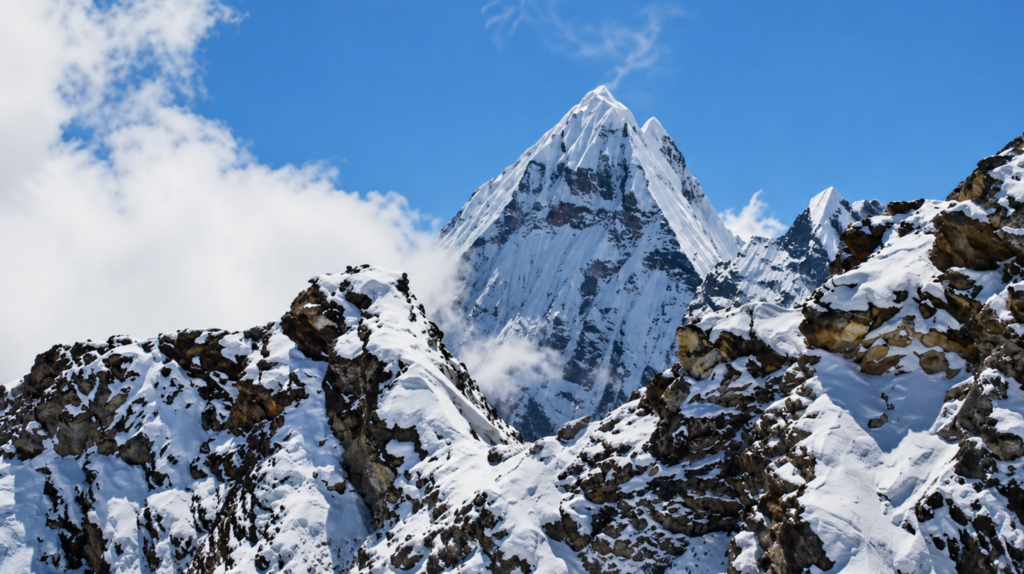
Above 8,000 meters lies the infamous “Death Zone,” where oxygen levels are dangerously low. At that altitude, the human body slowly begins to shut down. Climbers can suffer swelling in the brain, fluid buildup in the lungs, severe exhaustion, and confusion that can turn a simple mistake into a fatal one.
Even experienced mountaineers struggle to think clearly there, which is why preparation and judgment become matters of survival.
Before attempting Everest, climbers need more than physical strength. Mental resilience is equally important. Storms can trap teams on exposed ridges for hours, temperatures can plunge far below freezing, and panic can spread quickly when conditions deteriorate. Remaining calm under pressure can save not only your life, but the lives of everyone climbing beside you.
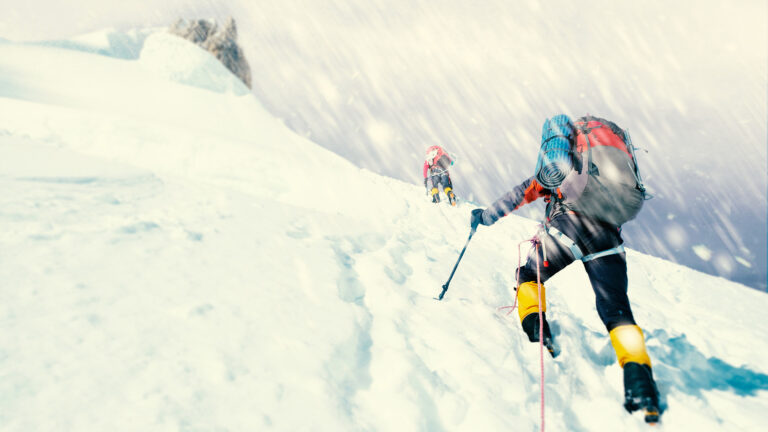
Teamwork is essential on Everest. Nobody reaches the summit entirely alone. Climbers depend on guides, teammates, and fixed ropes anchored into the mountain. A single weak anchor or careless move can endanger an entire group. Trust between climbers becomes critical when everyone is connected by the same safety lines thousands of meters above the ground.
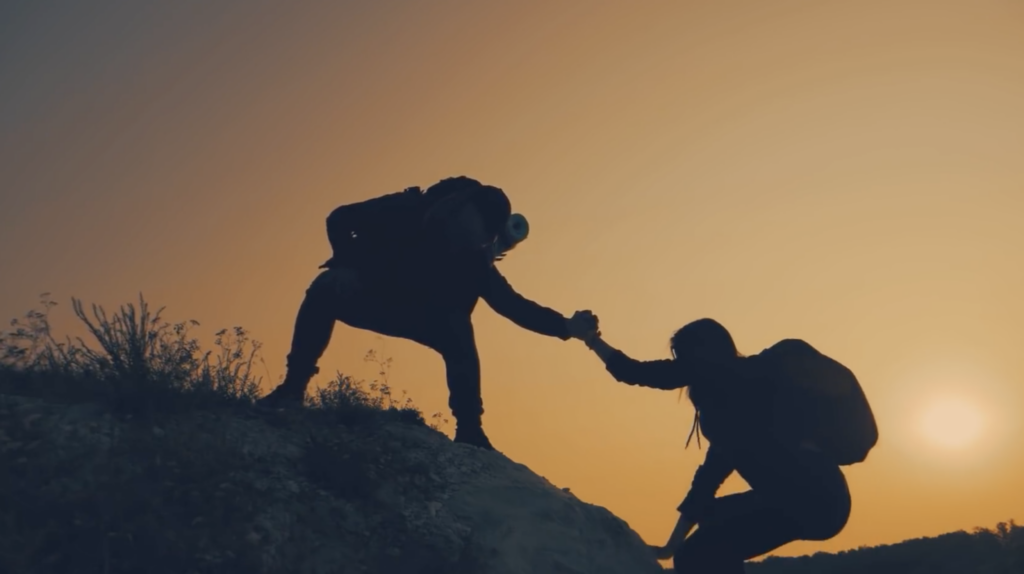
Training for Everest involves learning how to survive extreme cold, thin air, and exhaustion. Hypothermia is a constant threat because the body loses heat faster than it can produce it. Snow blindness caused by intense ultraviolet light reflecting off the ice can damage eyesight and make climbing even more dangerous.
Every piece of gear matters, from oxygen systems to insulated clothing, because there are no simple replacements high on the mountain.
Weather on Everest can change with terrifying speed. Clear skies may suddenly turn into violent winds and blinding snowfall. Climbers often spend days waiting for safe conditions before continuing upward. Ignoring weather warnings has cost many people their lives. Rescue missions are also extremely difficult at such altitudes, especially near the summit where helicopters cannot reliably operate due to dangerous conditions.
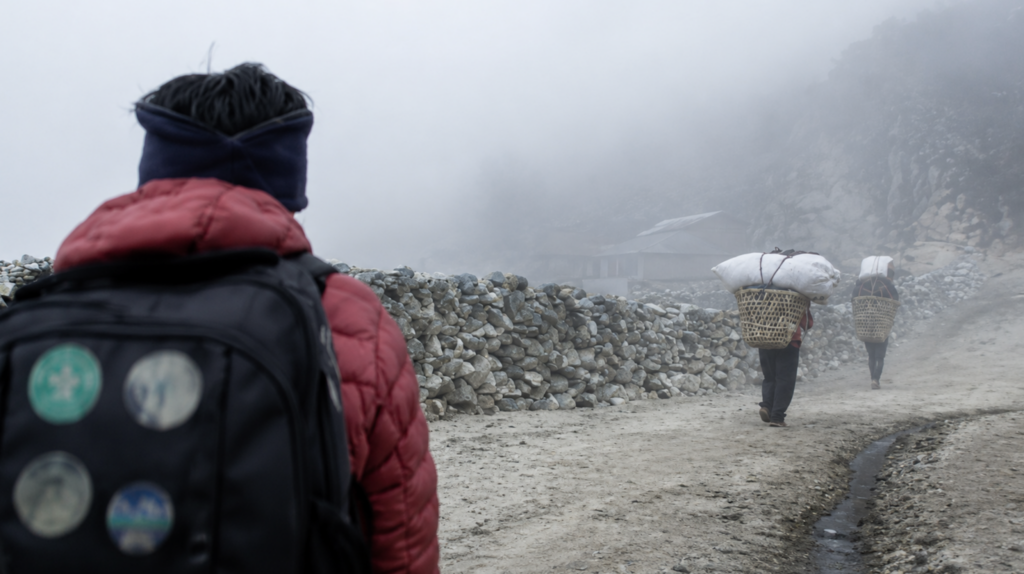
One of the biggest reasons climbers succeed is the expertise of Sherpas. Native to the Himalayan region, Sherpas possess unmatched knowledge of Everest and its dangers. They guide climbers through avalanches, shifting icefalls, and unstable terrain that can change overnight. Legendary guide Kami Rita has reached the summit more times than almost anyone in history, proving how important experience is on the world’s highest peak.
Even something as simple as checking ropes can become a life or death task. Climbers must constantly clip themselves into safety lines while crossing steep cliffs and icy ridges. In recent years, overcrowding has become another major danger. Long lines of climbers waiting near the summit can leave people stuck in the Death Zone for hours, increasing the risk of running out of oxygen or collapsing from exhaustion.
Perhaps the hardest lesson Everest teaches is knowing when to turn back. Reaching the summit may feel like the ultimate achievement, especially after years of training and enormous financial costs, but survival matters more than standing on top for a few minutes. Some climbers have given up their own dreams to save others in distress.
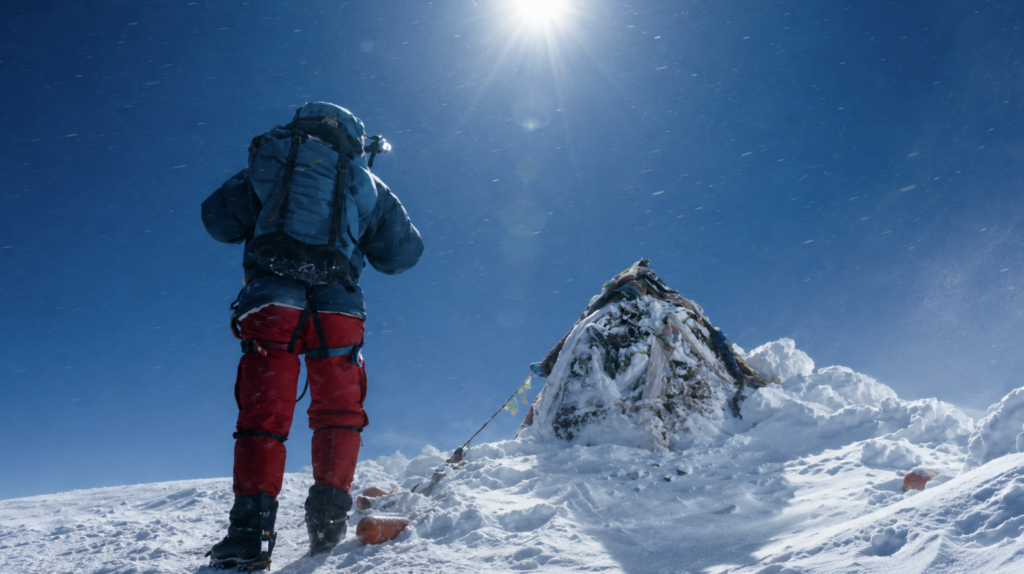
Actor Brian Blessed famously turned away from the summit during one expedition in order to help rescue another climber, sacrificing his lifelong ambition in the process.
Despite all the risks, thousands of people still attempt Everest every year. Advances in equipment and guiding have made the climb more accessible, but the dangers remain as deadly as ever. During the crowded 2019 climbing season, massive traffic jams formed high in the Death Zone, and several climbers died while waiting in line to continue toward the summit.
Mount Everest may represent the ultimate human challenge, but the mountain does not care about ambition, fame, or determination. In the end, survival depends on preparation, teamwork, discipline, and knowing when nature has already won.