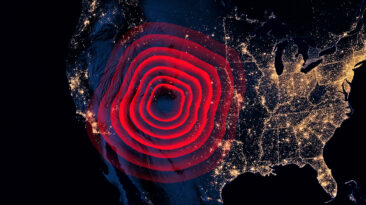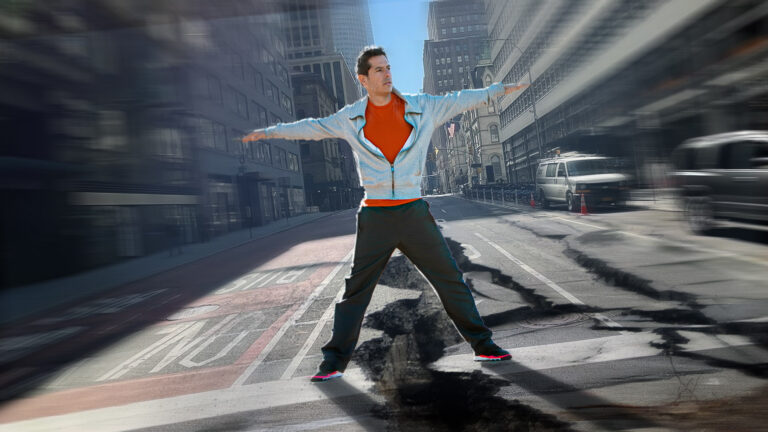
Earthquakes happen more often than many people realize. Smaller quakes of magnitude two or lower occur hundreds of times each day around the world. Stronger earthquakes of magnitude seven happen roughly once a month, while magnitude eight or higher events occur about once a year.
With that level of frequency, understanding the most common survival mistakes is essential.
So what should you avoid? Should you stay inside or run outside? Is screaming for help helpful or harmful? And why can stairs become one of the most dangerous places in a building?
Here are the worst mistakes you can make during an earthquake.
Number Six: Don’t Go Under a Doorframe
The idea that doorframes are the safest place in a building comes from older construction styles. In the past, some homes had stronger wooden frames that could offer limited protection.

Modern buildings, however, are designed differently. A doorway is usually no stronger than any other part of the structure, and it offers very little protection from falling objects or debris.
In many cases, it can leave you exposed rather than safe.
Number Five: Avoid Windows
Windows might seem like a source of escape or light during chaos, but in an earthquake they can be extremely dangerous.
Shattering glass can become high speed debris, and even being near a window increases the risk of serious injury. Staying away from glass surfaces is one of the simplest ways to reduce harm during shaking.
Number Four: Stay Off the Stairs
Stairs may seem like a quick route to safety, but they are structurally vulnerable during earthquakes.
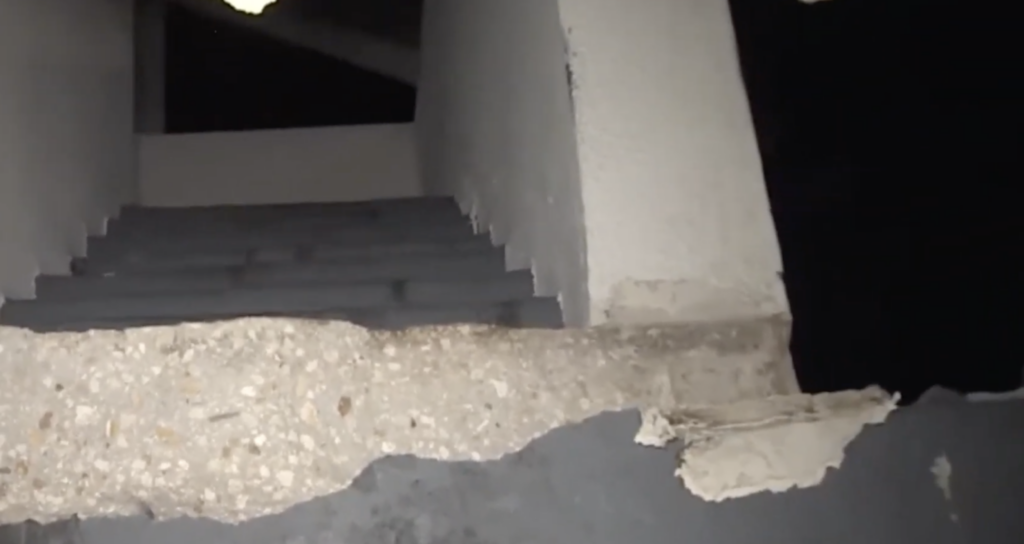
They can collapse or twist under stress, and falling debris can turn stairwells into traps rather than escape routes. In many situations, stairs are one of the most unstable parts of a building during seismic activity.
Number Three: Do Not Use Open Flames
If you are near a fireplace, stove, or any open flame, it is critical to turn it off immediately if possible.
Earthquakes can damage gas lines and create leaks. A single flame can then ignite gas in the air, creating a fire or explosion risk on top of the quake itself.
Number Two: Do Not Rush Outside
Running outside may feel like the safest instinct, but it can actually put you in greater danger.
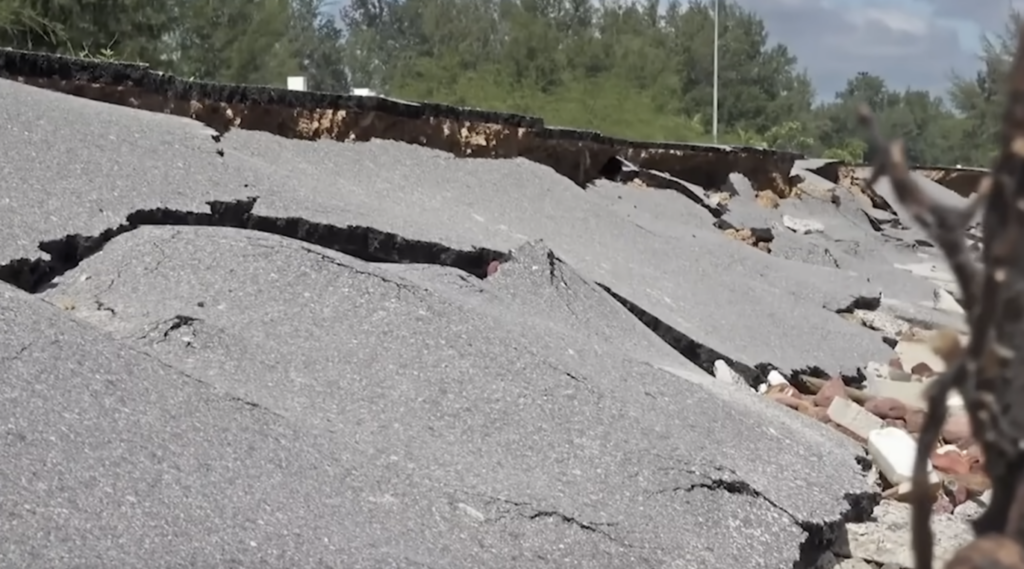
The exterior of buildings is often where debris falls first. Facades, glass, and structural elements can collapse outward, making the immediate area outside more dangerous than staying inside.
As a general rule, if you are inside, stay inside. If you are outside, remain outside in an open area away from structures.
Number One: Do Not Scream Indiscriminately
In emergencies, calling for help is often encouraged. However, during an earthquake, screaming can draw dust, smoke, and fine particles into your lungs, making breathing more difficult.
A safer way to signal for help is by tapping on solid surfaces like walls or pipes, which can carry sound more effectively without risking inhalation of debris.