With a duck like bill, a beaver shaped tail, and a body that looks like it was designed by combining several different animals, the platypus is one of the strangest creatures on Earth.
But its unusual appearance is not the most fascinating thing about this small Australian mammal. Hidden inside its venom is a molecule that could help scientists develop better treatments for diabetes. And if that wasn’t surprising enough, platypus milk may also hold the key to fighting dangerous bacteria.
So how could a venomous, egg laying animal help improve human health?
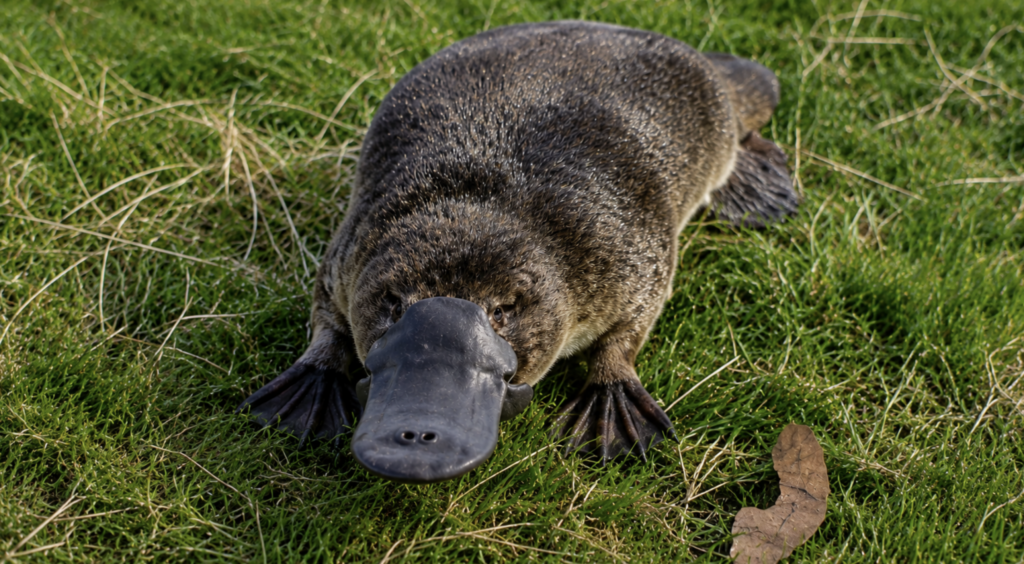
Platypuses live in rivers and streams across eastern Australia. When scientists first encountered drawings of these animals, many believed they were fake. Some researchers even suspected someone had combined different animals together as a joke.
The weirdness continues when you look at how platypuses hunt. Instead of relying on eyesight underwater, they use their unique bills to detect electrical signals produced by their prey. Their bills contain around 40,000 electroreceptors that can sense tiny movements, including muscle contractions and heartbeats.
This ability is extremely useful because platypuses spend a large part of their day searching for food and can eat around 20% of their body weight daily.
Male platypuses have another unusual feature: venomous spurs on their back legs.
Unlike many venomous animals, platypuses do not use this venom to capture prey. Instead, males release it during mating season to compete with other males. The venom can cause intense pain and helps establish dominance during fights.
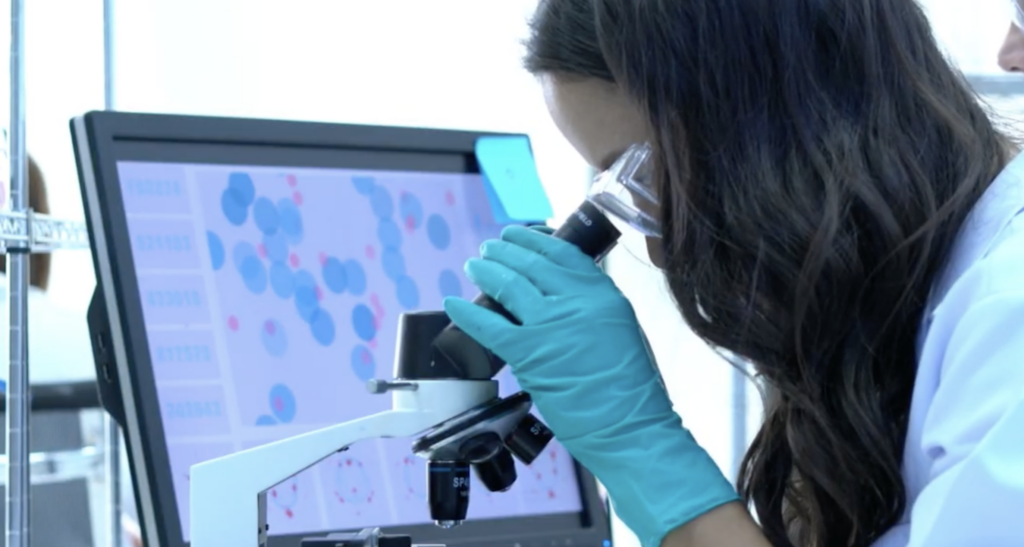
However, scientists discovered that this venom contains something much more valuable than a painful defense mechanism.
Platypus venom contains a hormone called glucagon like peptide 1, or GLP 1. Humans also naturally produce this hormone, and it plays an important role in controlling blood sugar levels by encouraging the body to release insulin.
The problem is that human GLP 1 breaks down very quickly, meaning its effects do not last long enough to properly regulate blood sugar in people with diabetes.
The version found in platypuses is different. Over millions of years, their GLP 1 has evolved to resist the breakdown process, allowing it to remain active for much longer. This discovery could help scientists develop more effective diabetes treatments.
The good news is that researchers do not need to collect venom from thousands of platypuses. The stable version of the hormone can be created in laboratories, allowing scientists to study its medical potential without harming these unusual animals.

But the platypus has even more surprises.
Female platypuses do not have nipples. Instead, they produce milk that is released through their skin and collects on their belly, where their young can feed.
This strange method of feeding may have helped create another medical breakthrough. Platypus milk contains a unique protein structure unlike anything scientists have found in other animals.
Researchers discovered that these proteins have an unusual curly shape, and they appear to have strong antibacterial properties. Scientists believe this developed because the milk is exposed to the environment, leaving it more vulnerable to harmful microbes.
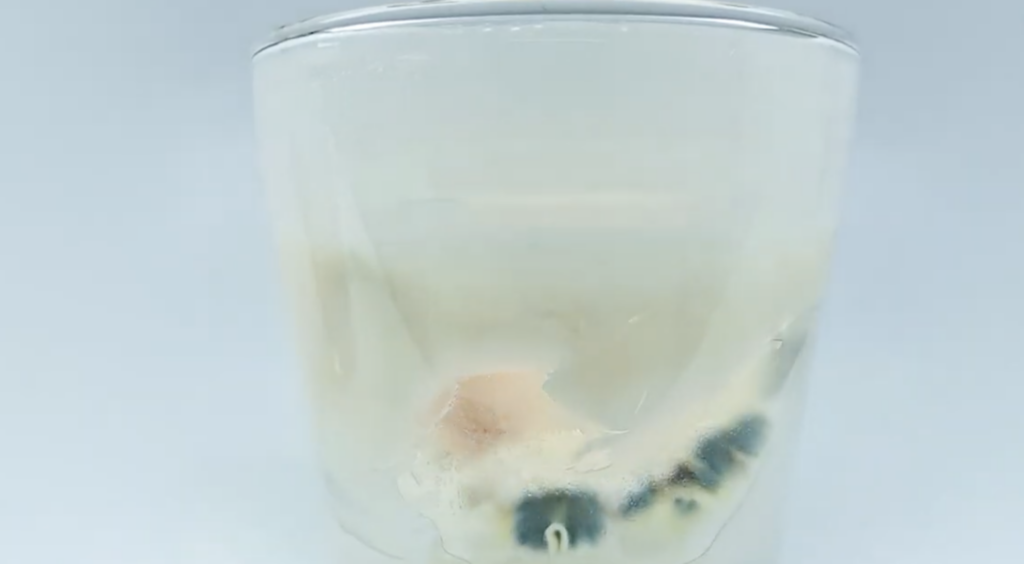
This discovery could become extremely important as antibiotic resistance continues to grow around the world. Some bacteria are becoming harder to treat with existing medicines, creating a need for new types of antibiotics.
A tiny animal that looks like a mix between a duck and a beaver may seem unlikely to help humanity solve major health problems. Yet the platypus could contribute to future treatments for diabetes and antibiotic resistant infections.
From venom that could regulate blood sugar to milk that may fight bacteria, this strange little creature proves that nature still has countless medical secrets waiting to be discovered.