World War II changed the course of human history, shaping the borders, governments and technologies that define the modern world. But what if the outcome had been different? What if the Allied powers had lost and Nazi Germany, along with its Axis allies, had achieved victory?
A world ruled by these powers would have looked completely different. Would Hitler have expanded his empire across the planet? Would modern technology have developed in another direction? Would concepts like freedom of speech, the internet and social media even exist? While this scenario never happened, examining it reveals how close history came to taking a much darker path.
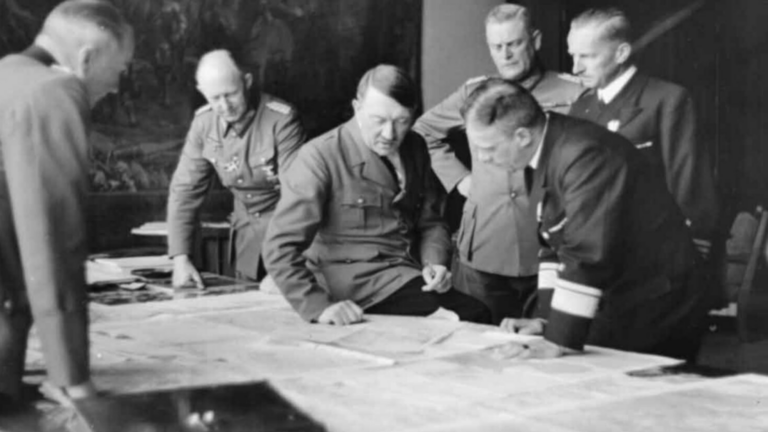
One of the biggest changes would have involved technology. At the end of World War II, the United States recruited German scientists through programs like Operation Paperclip to help develop advanced technology during the Cold War. These scientists had worked on rockets, weapons and other military projects that were far ahead of what many other countries had achieved.
Among them was Wernher von Braun, a German rocket engineer who later became one of the most important figures in America’s space program. His work helped the United States develop the rockets that eventually carried astronauts to the Moon. Without access to these scientists and their knowledge, America’s technological progress could have followed a very different path.
If Germany had won the war, it is possible that Nazi scientists would have continued developing advanced rockets and weapons under the control of the Third Reich. Germany might have become the first nation to launch humans into space, establish a Moon base or create technologies that later shaped communication and computing.
However, technology would have been only a small part of the changes. A Nazi victory would likely have transformed the entire global political landscape. Germany, Italy and Japan planned to expand their influence across Europe, Africa, Asia and parts of the Soviet Union, creating enormous empires controlled by authoritarian governments.
Hitler’s ambitions extended far beyond Germany’s original borders. A successful Axis victory could have led to further conflicts as different powers competed for control of resources and territory. Instead of one global war, the world might have entered a series of new conflicts between rival superpowers fighting for dominance.
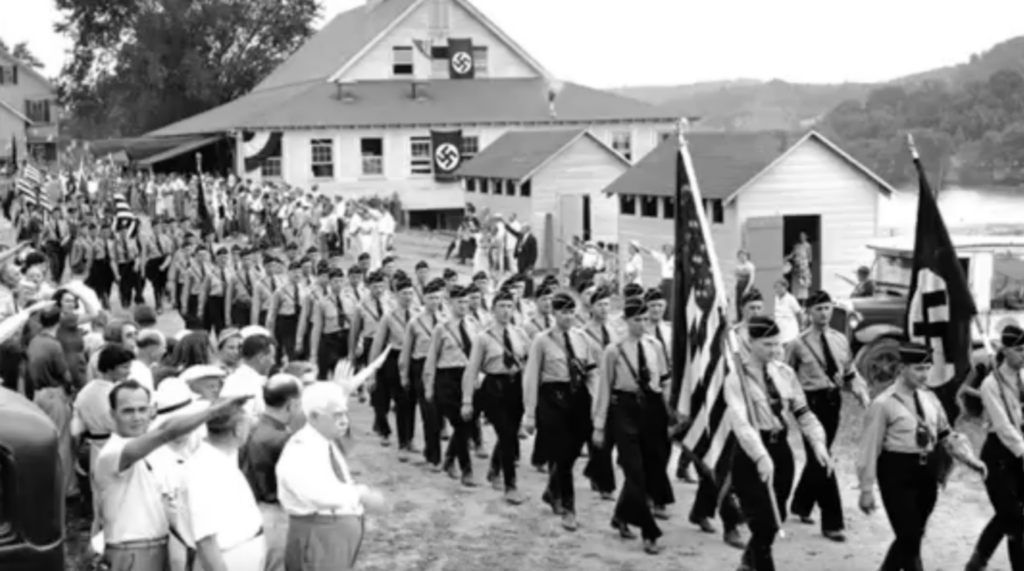
New alliances would have formed in this alternate world. Some countries might have cooperated with Germany for economic or political reasons, while others would have created resistance movements against authoritarian rule. The struggle for freedom would likely have continued for decades as people fought against oppression.
For ordinary people, daily life under Nazi control would have been dramatically different. The government would have controlled information, education, media and culture. Books, artwork and scientific ideas considered dangerous to Nazi ideology would have been banned or destroyed, creating an enormous loss of human knowledge and creativity.
Communication would also have been heavily restricted. Modern platforms like social media may never have developed in a free and open way. Instead, any digital communication system would likely have been monitored and controlled by the state to spread propaganda and suppress opposition.
Millions of people who were targeted by Nazi ideology would have faced even greater persecution. Minorities, political opponents and anyone who resisted the regime could have been imprisoned, sent to camps or killed. The policies that caused unimaginable suffering during World War II could have expanded across a much larger part of the world.

The Nazi government also promoted the idea of a so called master race and attempted to control human reproduction. Under a victorious Third Reich, these ideas could have shaped laws and society on a global scale, with forced sterilization, discrimination and population control becoming widespread.
The world population today would likely look completely different in such a scenario. The effects of decades of war, persecution and authoritarian rule would have changed where people lived, which cultures survived and how societies developed.
Fortunately, the Axis powers were defeated, preventing this alternate future from becoming reality. However, the history of World War II also shows how scientific progress can become complicated when connected to dangerous ideologies. Many modern technologies were influenced by research developed during the war, but understanding the human cost behind that progress remains essential.
The world we live in today exists because of the choices made during one of humanity’s most important turning points. A different outcome could have created a future where freedom, culture and innovation looked completely unrecognizable.