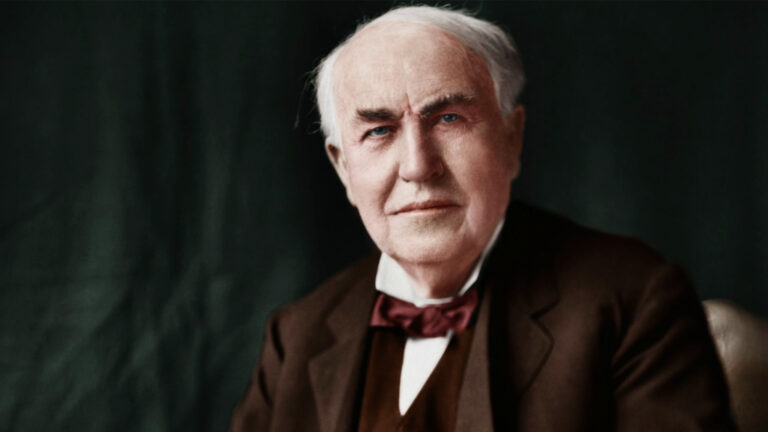
Imagine waking up tomorrow in a timeline where Thomas Edison was never born. No Wizard of Menlo Park. No mountain of patents. No famous inventor dominating the headlines of the Industrial Age.
Does the world go dark? Do phones fall silent? Does the movie theater simply never exist?
The honest answer might surprise you.
Most of the technology we associate with Edison would still be here. But one thing almost certainly would not look the same, and it has nothing to do with electricity.
Let us walk through what actually vanishes when Edison disappears, and what quietly carries on without him.
Your Lights Stay On
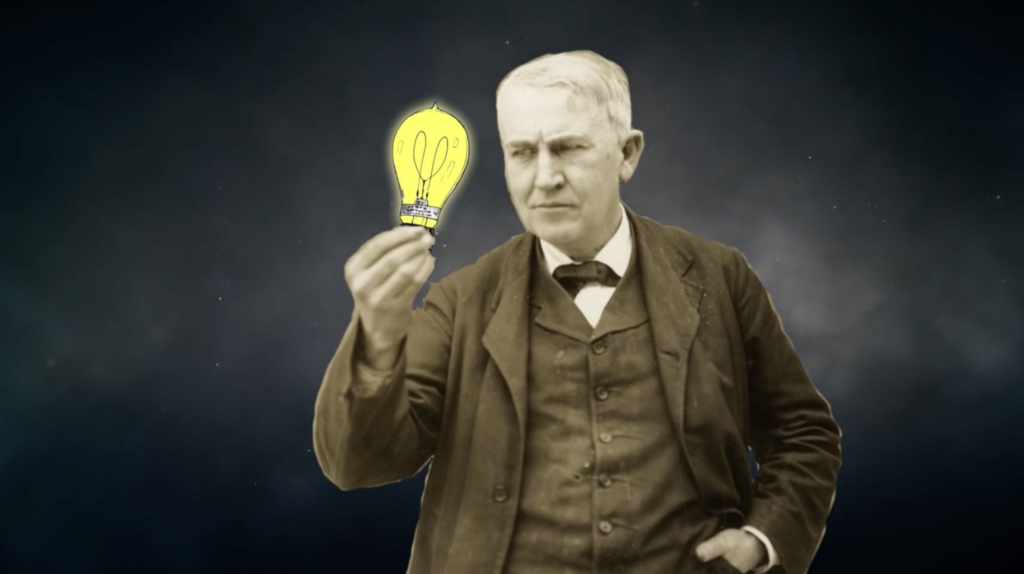
Here is the myth that refuses to die: Edison invented the lightbulb. He did not, at least not in the way most people imagine.
By the late 1800s, electric lighting was already a crowded race. Joseph Swan in England had working bulbs. Nikola Tesla was pushing electrical systems forward. Dozens of engineers across Europe and America were chasing the same glowing prize.
What Edison actually cracked was something different: a bulb that was cheap enough, durable enough, and marketable enough to put into ordinary homes. He did not win the race to invent. He won the race to sell.
Remove him from history, and electric light still floods into cities and living rooms. It might arrive a few years later, carrying a different name on the patent, but no version of this timeline stays lit by gas lamps and candles.
You Would Answer the Phone With Ahoy
This is where things get strange in the best way.
The telephone belongs to Alexander Graham Bell, but Edison left his mark all over its early evolution. His improvements sharpened the audio and made the device far more practical for everyday use.
And he left behind one tiny cultural fossil: the word Hello.
Edison championed it as the standard way to answer a call. Bell hated it. He wanted people to pick up the receiver and say Ahoy, like sailors hailing a passing ship.
No Edison? There is a real chance you would be answering your phone like a sea captain from the 1800s. It is a trivial detail, but it proves something bigger. Inventors do not just shape our tools. They shape our habits.
Recorded Sound Was Coming, With or Without Him
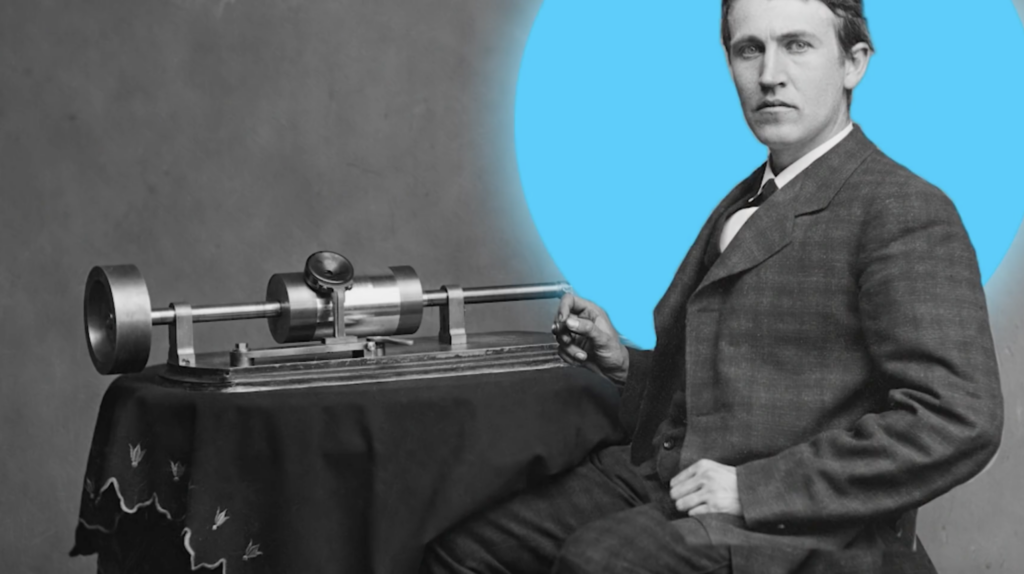
In 1877, Edison stunned the world with the phonograph, a machine that could capture a voice and play it back. It was the seed that grew into recorded music, radio, and eventually the entire modern entertainment economy.
But he was not alone. Not even close.
Across the Atlantic, French inventor Charles Cros had already drafted plans for a nearly identical sound recording device during the very same period. Years before that, other machines could trace sound waves visually. They just could not replay them.
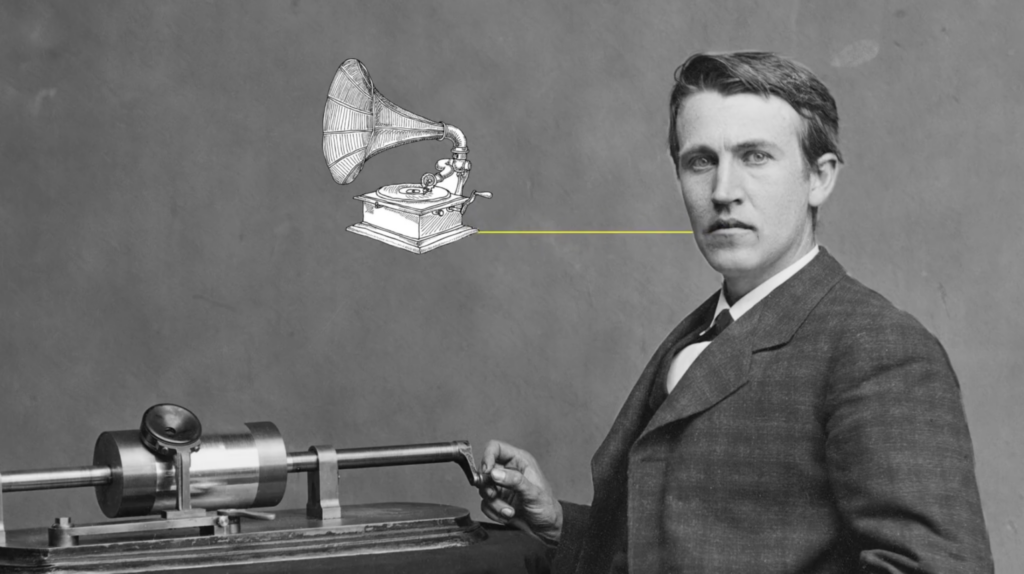
Historians have a name for this pattern: multiple discovery theory. Major breakthroughs tend to appear in several places at once, because the inventors of the world are all standing on the same scientific foundations, reaching for the same next step.
The phonograph was not a miracle. It was inevitable. Edison just got there first, and got there loudest.
Batteries Do Not Need Him Either
Edison poured years into alkaline battery technology, the ancestor of the cells now powering everything from flashlights to game controllers.
But in Sweden, an inventor named Waldemar Jungner was independently developing nearly the same technology at nearly the same time.
Erase Edison, and the battery timeline shifts by a few years at most. Portable electronics still arrive. Your devices still charge. The pattern repeats itself across almost his entire career. He was rarely the only one working on an idea, but he was almost always the best at perfecting it and pushing it into millions of hands.
So if everything survives without him, what actually changes?
Hollywood Might Not Exist
Here is the twist. The most lasting mark Edison left on the modern world may not be electric at all. It is the reason the film capital of America sits on the West Coast.
Edison and his employee William Kennedy Dickson built some of the earliest motion picture technology, including the kinetoscope for viewing moving images and early cameras for capturing them. In 1893, he opened the Black Maria, widely considered the first movie production studio on Earth. It churned out short clips of dancers, magicians, circus performers, and yes, one of the very first cat videos in history.
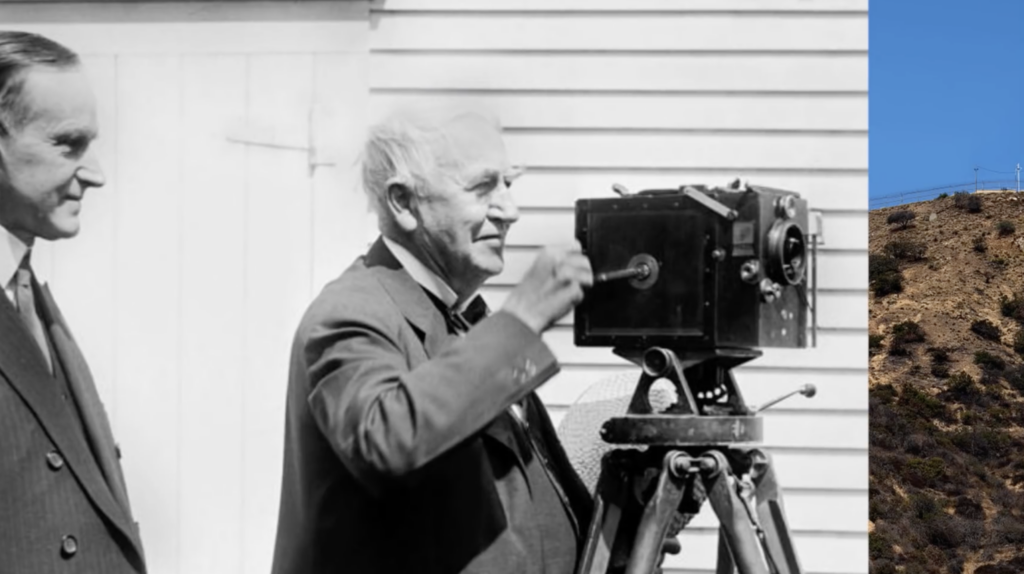
Crowds lined up to watch films only seconds long. A new industry was being born.
Then Edison did what Edison always did. He took control.
He stockpiled patents covering cameras, projectors, and film itself, then unleashed waves of lawsuits against rival filmmakers across the eastern United States. By 1908, he had merged with the major studios to form the Motion Picture Patents Company, a cartel that licensed who could make movies and dictated how they were made. Films were capped in length. Studios refused to credit actors, terrified of creating stars who could demand higher pay.
Independent filmmakers were suffocating. So they ran.
They fled west, to a quiet farming town in California with cheap land, endless sunshine, and most importantly, thousands of kilometers between them and the lawyers of Edison. The courts out west were also far less eager to enforce his patents.
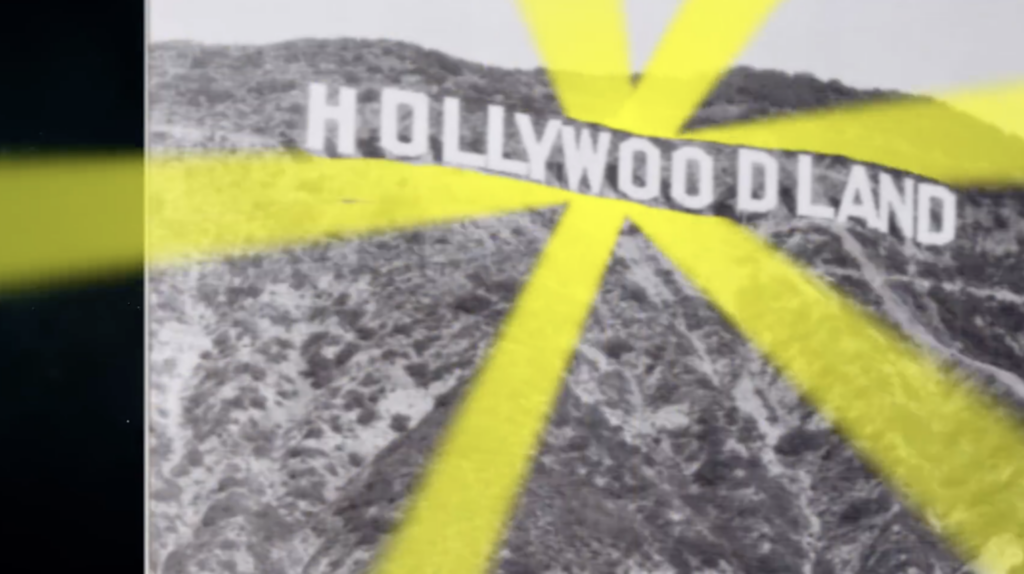
That town was Hollywood.
The entertainment capital of the world exists where it does, in the form it does, largely because filmmakers were escaping one man. Delete Edison from the timeline, and the movie business might have stayed rooted in New York, or scattered across a dozen cities instead of concentrating into a single global machine.
Same Destination, Very Different Road
So what truly vanishes the moment Edison is gone?
Not the lightbulb. Not the battery. Not recorded sound or the movie camera. Other hands were already reaching for all of them.
What vanishes is the accelerant. The genius of Edison was not pure invention. It was velocity. He turned laboratory curiosities into products, products into industries, and industries into empires, faster and more ruthlessly than anyone around him.
Without him, humanity still arrives at the modern world. But it arrives later, under different names, with its entertainment capital possibly somewhere else entirely, and with everyone answering the phone with Ahoy.
Sometimes history does not hinge on what gets invented. It hinges on who is holding it when it does.