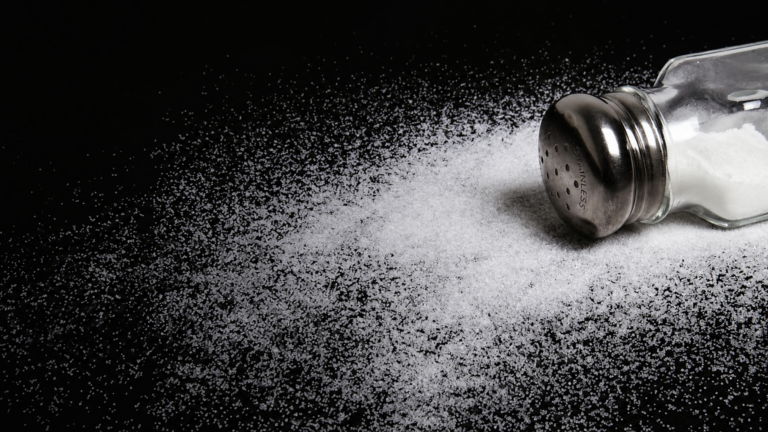
In the 1930s, Dr. Robert McCance of Cambridge University’s Department of Experimental Medicine convinced four people to give up salt completely for ten days.
He did it properly. First he made them sweat the existing salt out of their bodies. Then he desalinated everything they ate and drank.
The first thing they noticed was that food stopped tasting like anything at all. Then the fatigue arrived, and it got so severe that they became too tired to eat.
Ten days. That is all it took.
Salt may be the most important and most divisive mineral in history. Cities have been named after it, economies built on it, wars fought over it. Your life depends on it right now.
There are more than 14,000 uses for salt, but to most people it means one thing: high blood pressure.
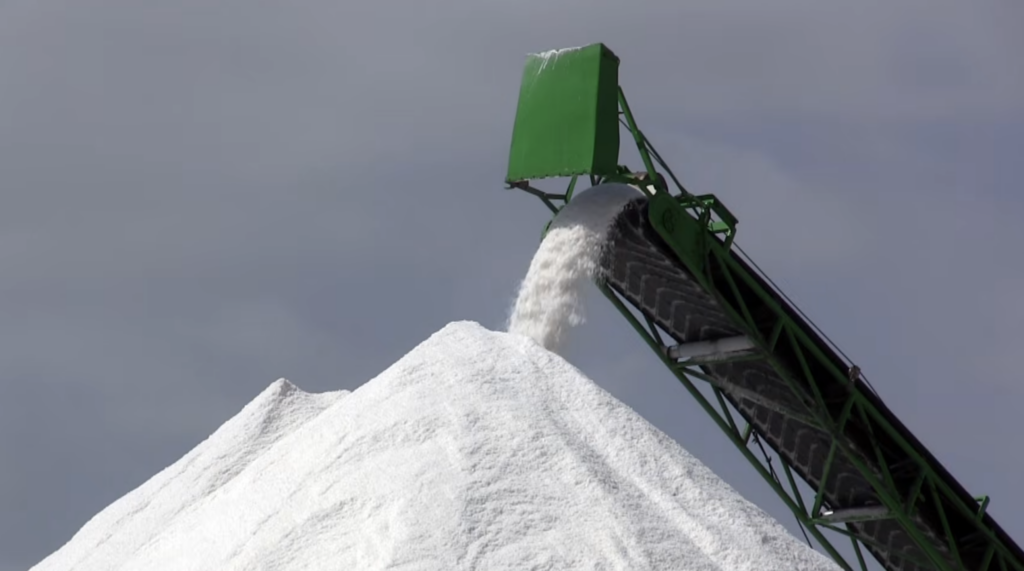
There was a time when your salary might have been paid in salt, and heavily taxed. It preserved food, treated wounds, and was believed to bring good fortune.
Today, beyond making burgers and fries taste the way they do, salt matters for de icing, chemical processing, water treatment, farming, and several uses across the oil and gas industries.
It is also built from two elements that would each kill you alone. Sodium reacts violently in water. Chlorine is toxic. Combine them into sodium chloride and you get something you cannot live without.
Inside your body it does essential work: transmitting nerve signals so muscles can relax and contract, keeping your heart pumping blood, helping digest nutrients and fight infections.
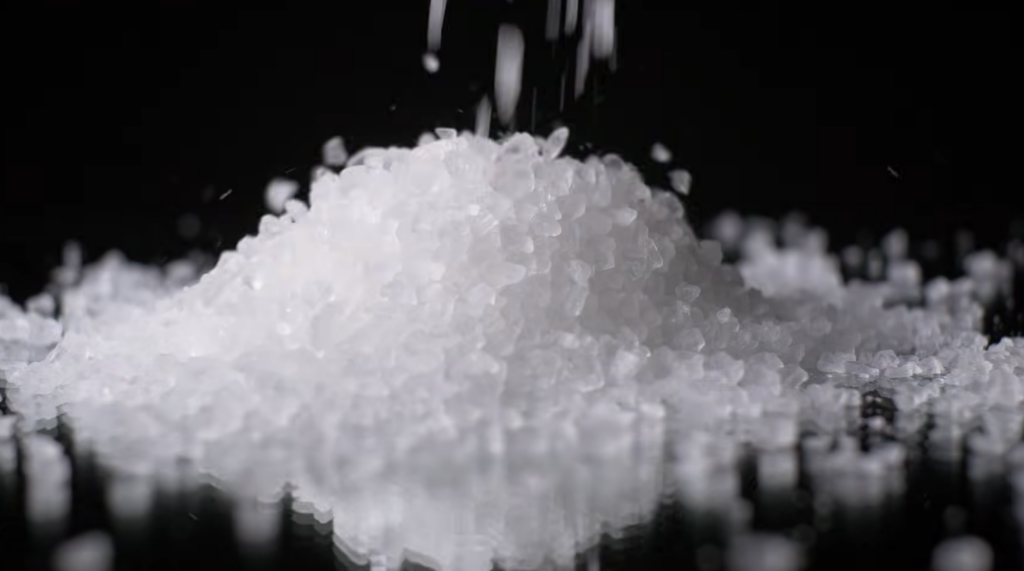
But you can absolutely overdo it. Low blood sodium causes fatigue, vomiting, seizures, even death, while too much salt accumulates between your cells, thickens your blood, forces your heart to work harder, and can end in cardiac arrest.
Your body naturally holds about 40 teaspoons of salt, roughly 0.4 percent of your body weight. Every time you cry, sweat, or urinate, some of it leaves and has to be replaced.
The American Heart Association recommends adults consume between 1,500 mg and 2,300 mg per day. That is one bag of chips, or two California rolls. The burger and fries you were considering contain about 3,400 mg on their own.
So cutting back makes sense. Cutting it out does not, and that experiment proved why.
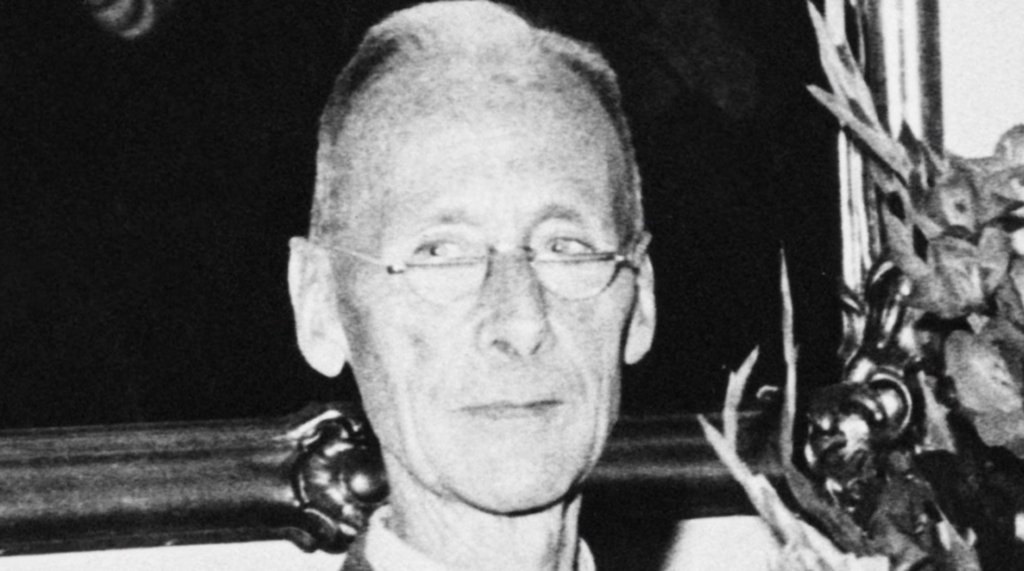
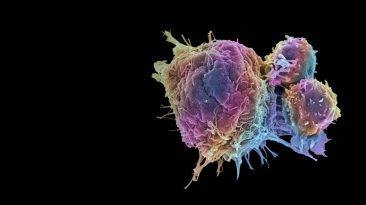
What McCance’s volunteers developed was hyponatremia. Without enough salt in the blood to regulate how much water each cell absorbs, blood cells begin swelling.
Untreated, hyponatremia leads to seizures, coma, and death.
When the trial ended and the participants were given salty food, their sense of taste returned within minutes and their energy came rushing back.
That was ten days. Now imagine salt simply ceasing to exist.

We would not last long, and neither would anything else. Plants and animals need salt as much as we do. Desalinating the oceans alone would wipe out underwater algae and cut photosynthesis on Earth in half.
Land plants would follow, leaving too much carbon dioxide and not enough oxygen. The climate would swing violently between extreme heat and cold, with a sharp rise in hurricanes.
And you would be processing all of that chaos while suffering dizzying headaches, vomiting, and crushing fatigue. Any numbness or chest pain at that point is probably a heart attack starting.
So skip the overcrowded hospital and head for the nearest convenience store. With luck, there are still chips and Gatorade on the shelves.