Think about how much has shifted in the last few decades. Landlines gave way to smartphones. Artificial intelligence went from a research curiosity to something that writes text and generates images on demand.
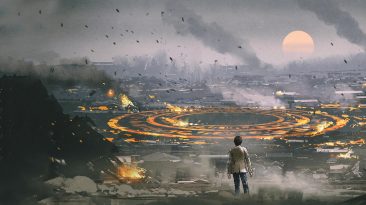
Now push that forward and step into 2076.
You’d still recognize the planet. Plenty of daily life, though, would feel like something out of a film.
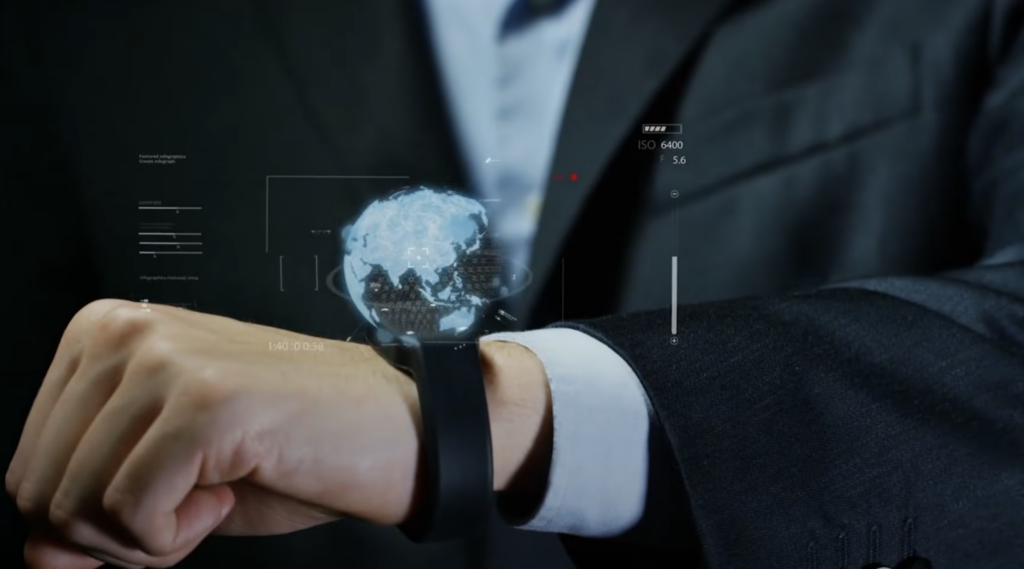
The first thing you’d notice is how people handle technology, or rather how they’ve stopped handling it. Staring down at a phone screen might look as dated as feeding paper into a fax machine.
Instead of carrying a device, people could be wearing it, either on their bodies or as lightweight glasses projecting information straight into their field of view. Directions, messages, entertainment, all of it appearing where you’re already looking, with an AI assistant along for the day helping you work and make decisions.
Healthcare could change just as much. Rather than booking an appointment and describing your symptoms, advanced scanners might monitor your health continuously, with small wearables spotting illness well before you feel anything wrong and suggesting treatment immediately.
People may simply live longer as a result. Better medicine, better nutrition, and better disease prevention could push average life expectancy up considerably, making your eighties or nineties fairly ordinary in much of the world.
That comes with a catch nobody enjoys discussing.
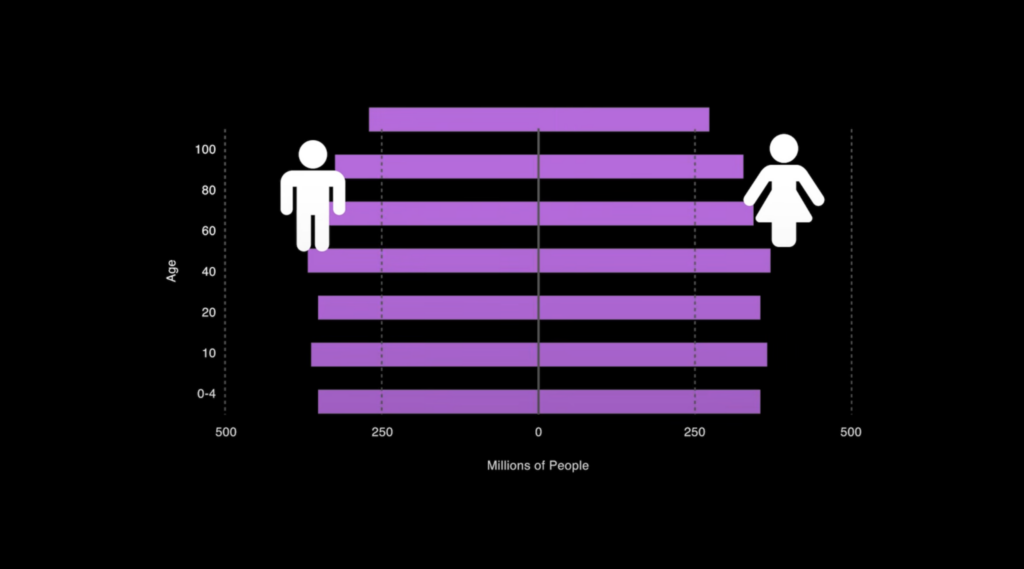
Society would be shaped very differently. Instead of young people comfortably outnumbering the elderly, many countries could end up with nearly as many retirees as children.
That puts real strain on economies. Governments would be supporting far larger aging populations while keeping healthcare and pensions running, and plenty of people might work longer careers than their parents did, partly because societies would need experienced workers to stay in the game.
Work itself is another moving target. Automation already handles jobs that used to need people, and fifty years on, intelligent systems could be running transportation, manufacturing, administrative work, and some medical procedures.
That probably doesn’t mean every job disappears. What changes is which skills matter, with creativity, complex problem solving, and dealing well with other humans becoming considerably more valuable.
Meanwhile, there’s the other pressure building in the background. More people.

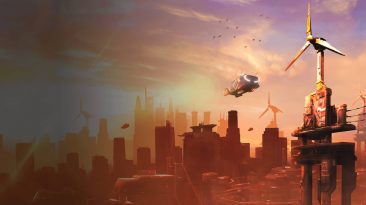
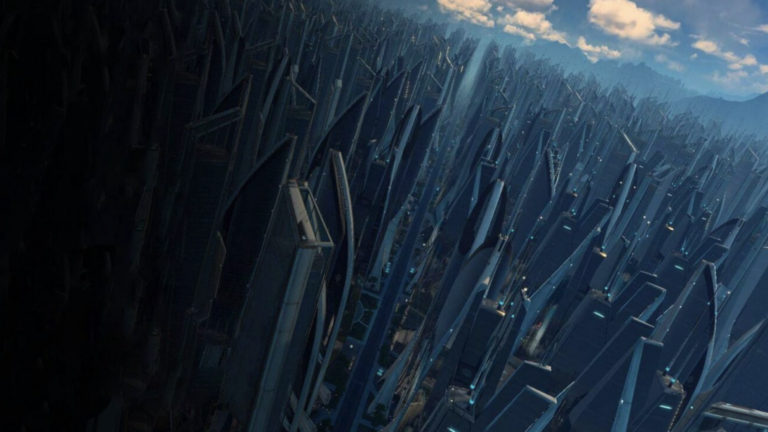
Most of them living in cities, which could grow into enormous interconnected regions built around advanced transport and unusually efficient infrastructure.
All those people need food, water, and energy, and climate change could make farming harder in certain regions while rising temperatures and shifting weather force communities to adapt in ways they’ve never had to before.
Coastal cities would face the sharpest version of that, dealing with stronger storms and rising seas. Some places would build serious protective infrastructure. Others would slowly move.
Not all of it is grim, though.
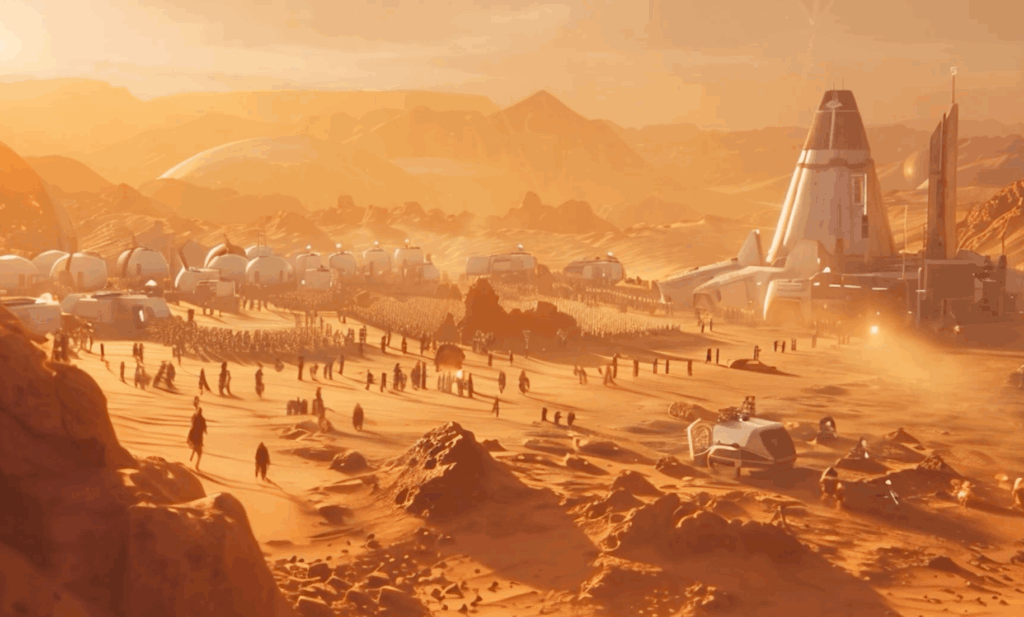
Our presence in space could expand enormously over the same period, with permanent settlements starting to appear on the Moon or Mars as rocket technology and life support systems mature enough to keep small communities alive off world.
Scientists might also turn up solid evidence of life elsewhere. Even finding simple organisms on another world would rearrange how we think about life entirely.
And back here, something similar could be happening inside the human body.
Medical technology may allow people to replace damaged organs, restore lost senses, and improve certain physical abilities. Artificial eyes could offer vision beyond what we’re born with, while new treatments slow parts of the aging process.
Genetics would sit at the center of it, with a much better understanding of inherited disease and individual risk, and medicine tailored specifically to each person’s biology.
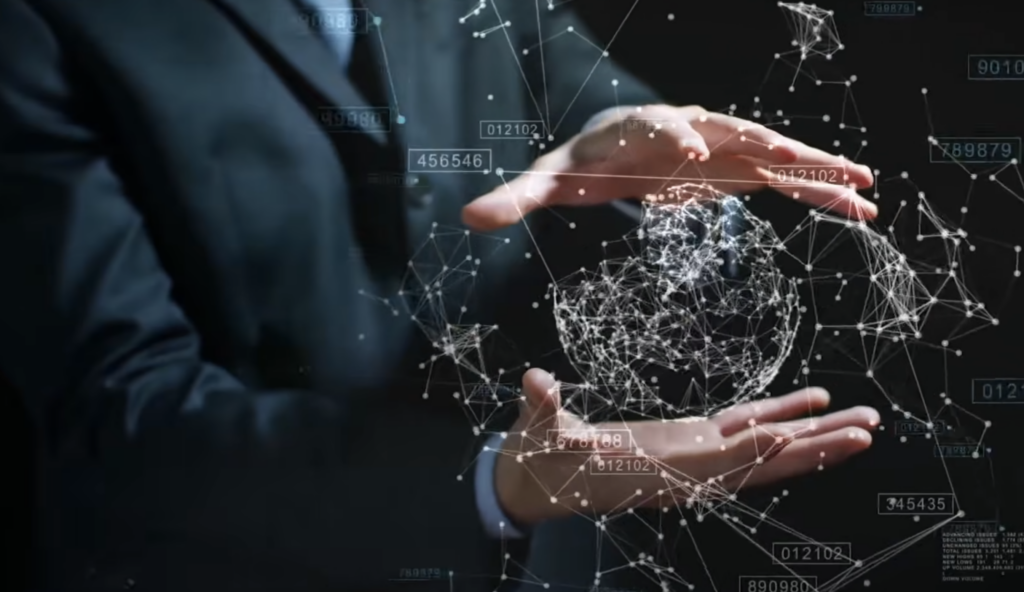
Artificial intelligence is likely to be woven through all of it, working alongside people in nearly every industry, assisting researchers, helping doctors reach diagnoses, and managing transport networks too complex for anyone to run manually.
Which suggests the next fifty years won’t be about machines taking over so much as humans and machines learning to work together.
There will be hard problems. There will also be discoveries nobody today could predict.
Travel to 2076 and you’d find a world that feels oddly familiar and completely rebuilt at the same time. And the people living in it would look back at us the same way we look at fax machines, quietly wondering how anyone managed like that.