Imagine looking into the night sky and seeing a structure so enormous that it could be mistaken for a small moon. Instead, it would be an artificial world built by humans, packed with machinery, millions of people, and a weapon powerful enough to destroy a planet.
That is the basic idea behind the Death Star from Star Wars. While the fictional battle station seems impossible, many of the individual concepts behind it are not forbidden by physics. The real challenge would be finding enough material, energy, money, and time to build something on that scale.
So what would a real Death Star require, where could we build it, and could its famous superlaser actually destroy a planet?
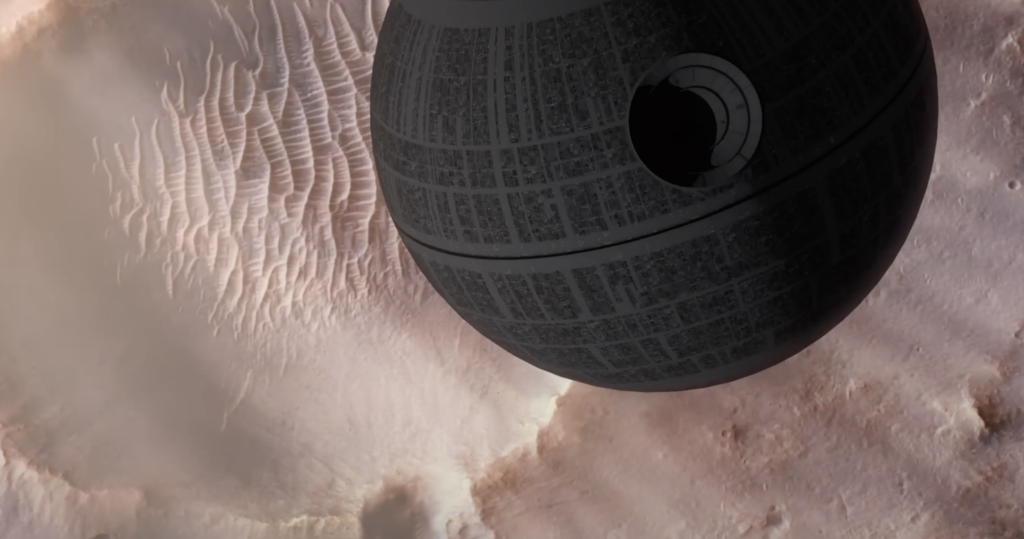
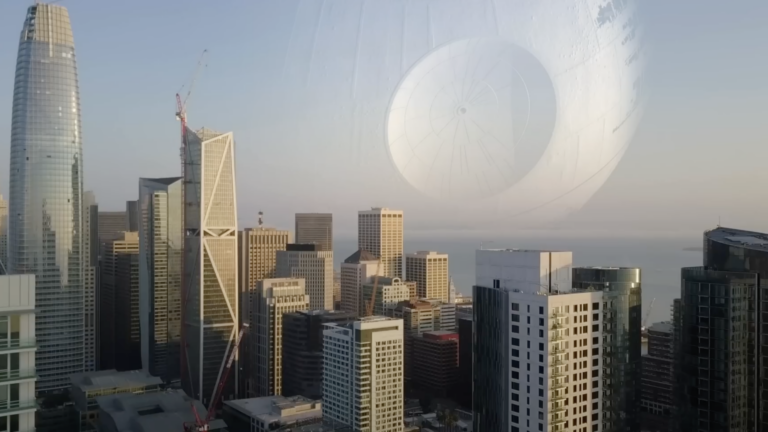
Estimates place the fictional DS 1 Orbital Battle Station between 120 km (75 miles) and 160 km (99.5 miles) in diameter. That would make it much smaller than Earth’s Moon, but still larger than many natural moons in the Solar System.
Building something that large would require an extraordinary amount of material. One estimate puts the construction cost at around $852 quadrillion, and that only covers the enormous manufacturing effort needed to create the station.
The Death Star would also need a huge workforce. More than two million people could live aboard the station when its crew, soldiers, and support staff are counted. Every one of them would need food, water, oxygen, clothing, living space, and waste disposal.
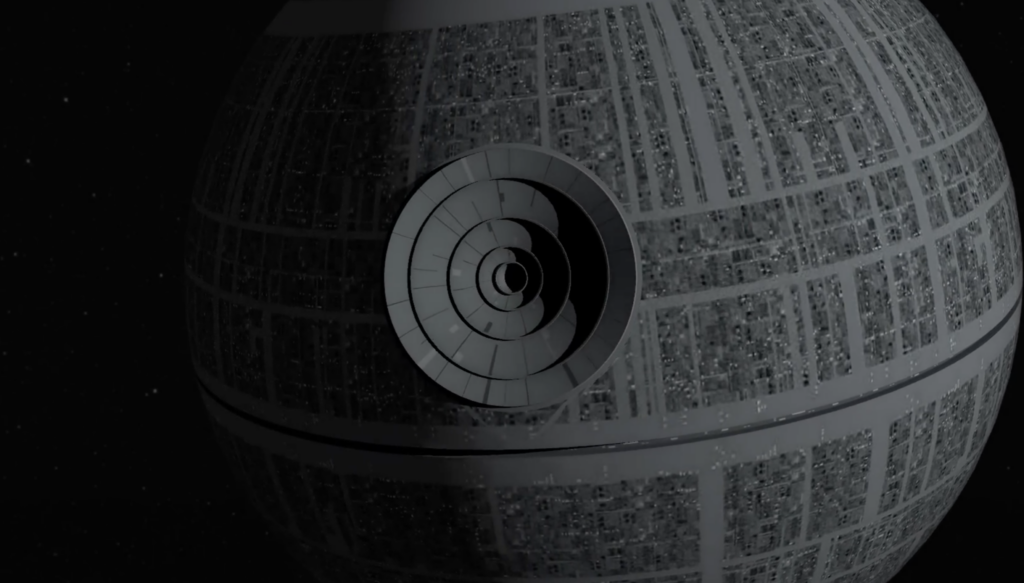
Even everyday operations would be incredibly expensive. Earlier estimates put the station’s electricity bill at around $52 billion per day, while food and other basic necessities would add hundreds of thousands of dollars more.
When everything is combined, operating the Death Star could cost approximately $7.8 octillion every day. That does not even include the enormous amount of energy needed to fire its main weapon.
Before building it, however, humanity would have to decide where construction should take place. Assembling such a massive structure on Earth would be impractical, while launching all its components into orbit would require an extraordinary number of rocket flights.
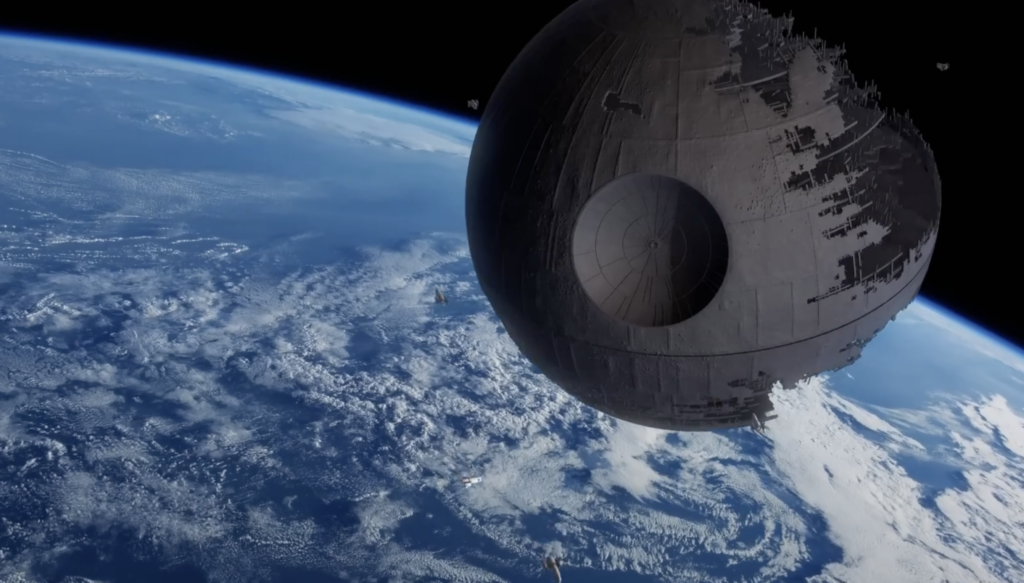
The amount of steel alone would be enormous. One estimate suggests that producing enough steel for a single Death Star using today’s methods could take more than 830,000 years. Transporting all that material into space would create another massive challenge.
A more realistic approach would be to mine asteroids for metals and other resources. That would allow much of the construction material to be gathered in space rather than launched from Earth’s surface.
The station would also need to stay far away from Earth. Putting something this massive into low orbit would create a serious risk if its systems failed. A distant location would be much safer for both construction and operation.
Then there is the Death Star’s most famous feature: the superlaser.
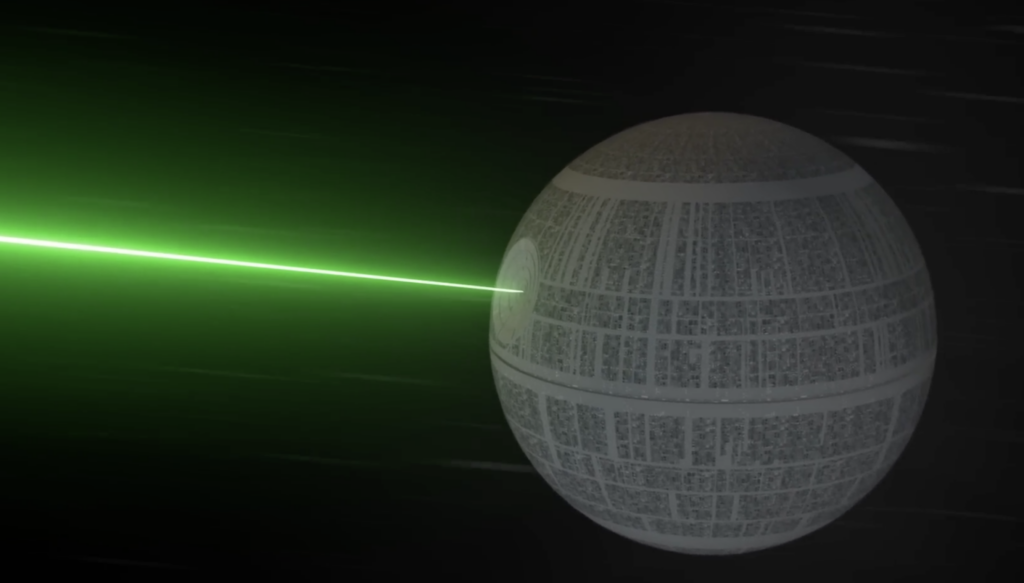
Real physics makes the weapon much more complicated than it appears in the movies. A beam of light would not curve around a planet. Once fired, it would continue traveling through space unless something caused it to change direction.
Destroying an Earth sized planet would also require an unimaginable amount of energy. One calculation suggests that a weapon powered by energy collected from the Sun could need roughly a week of the Sun’s total output before firing a planet destroying blast.
There would also be a recoil problem. Newton’s third law means that an enormous release of energy would produce an opposite reaction. A calculation based on the Death Star’s fictional capabilities suggests the station could be pushed in the opposite direction at roughly 77 km (48 miles) per second.
Antimatter could theoretically reduce this problem. When matter and antimatter meet, they annihilate and release enormous amounts of energy. One estimate suggests that only around 0.00000002% of a planet’s mass in antimatter could release enough energy to destroy it.
The problem is that producing and safely storing such quantities of antimatter is far beyond modern technology.
A real Death Star is therefore not completely impossible according to the laws of physics. The real obstacles are the staggering requirements for materials, energy, engineering, money, and time.
Fortunately, a gigantic orbital energy platform could have much better uses. Instead of destroying planets, similar technology could potentially help humanity deal with dangerous asteroids before they threaten Earth.
Building a real Death Star would be one of the greatest engineering projects imaginable. But if humanity ever becomes capable of creating something that enormous, let’s hope we use it to protect worlds rather than destroy them.