
Picture being able to do absolutely anything, painting a masterpiece in minutes, picking up a new language within hours, building a billion dollar company overnight, even reshaping the world in the span of a single day.
So why isn’t that already happening? What exactly holds you back? Was it a lack of classical music growing up, poor childhood nutrition, or simply the idea that your mind never gets close to its actual ceiling? And if that ceiling could somehow be removed entirely, what would change?
The brain remains an extraordinarily complicated organ. Centuries of study have only scratched the surface, and researchers continue uncovering new details about it even now. That ongoing search for answers, though, has also produced its fair share of myths mixed in with the facts, one of the most persistent being the idea that bigger brains automatically mean smarter beings.
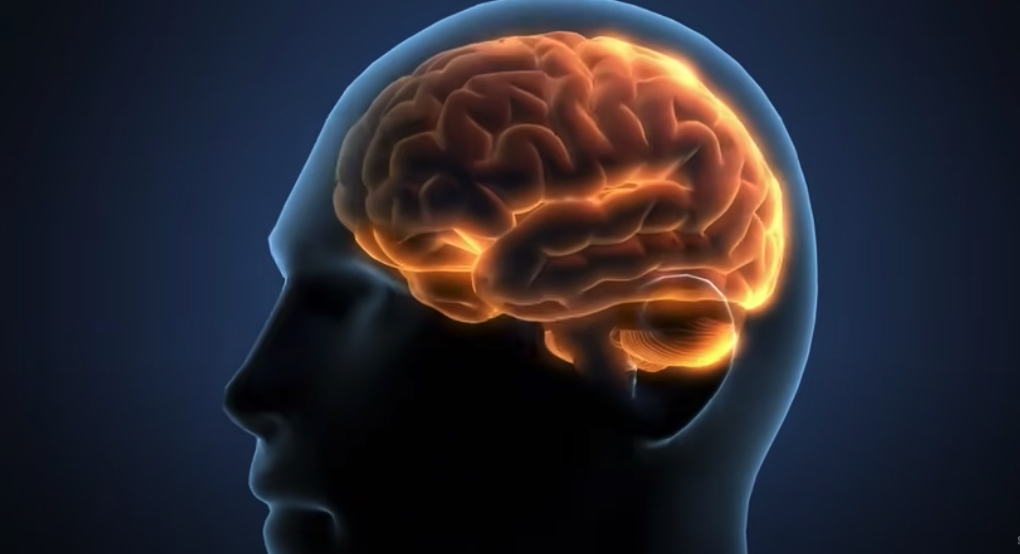
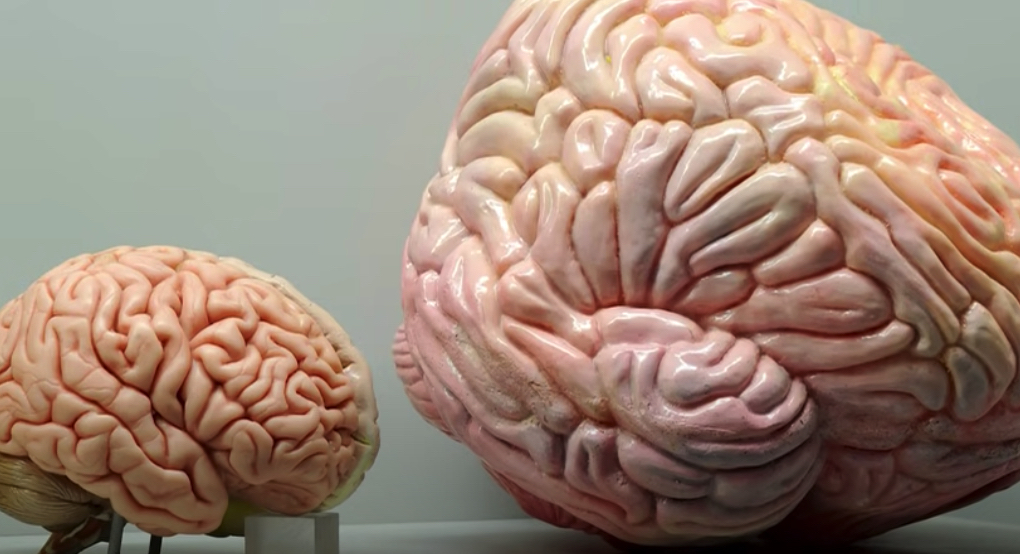
Consider a human brain sitting next to a whale’s for comparison. Size alone tells you almost nothing about intelligence here. Your brain is smaller simply because your body is smaller, requiring less raw processing power to keep running, yet it is organized in a way precisely suited to helping you survive and thrive. Given all that, would you still believe the popular claim that people only tap into 10 percent of their brain? Let’s imagine unlocking the full 100 percent instead.
We have all witnessed what genuinely brilliant minds can accomplish. They shape entire cultures through art, music, and literature, shift outcomes across sports and competition, invent technology that simplifies daily life, and help structure society in ways that expand what humans are capable of, sometimes for better and sometimes for worse.
Suppose you actually gained full access to your brain’s total capacity. Nothing would stand between you and whatever you set out to achieve. What would you even reach for first?
Perhaps you finally crack that Rubik’s cube gathering dust on your shelf. Or maybe you call up your sharpest friend and challenge them to chess, checkmating them within just a few moves without breaking a sweat, treating the whole thing as barely a warm up.
From there, ordinary challenges would quickly lose their appeal entirely. Operating at that level, everyday entertainment simply would not register as stimulating anymore, pushing you naturally toward something with real depth, whether that meant art, science, technology, or something nobody has even attempted yet.
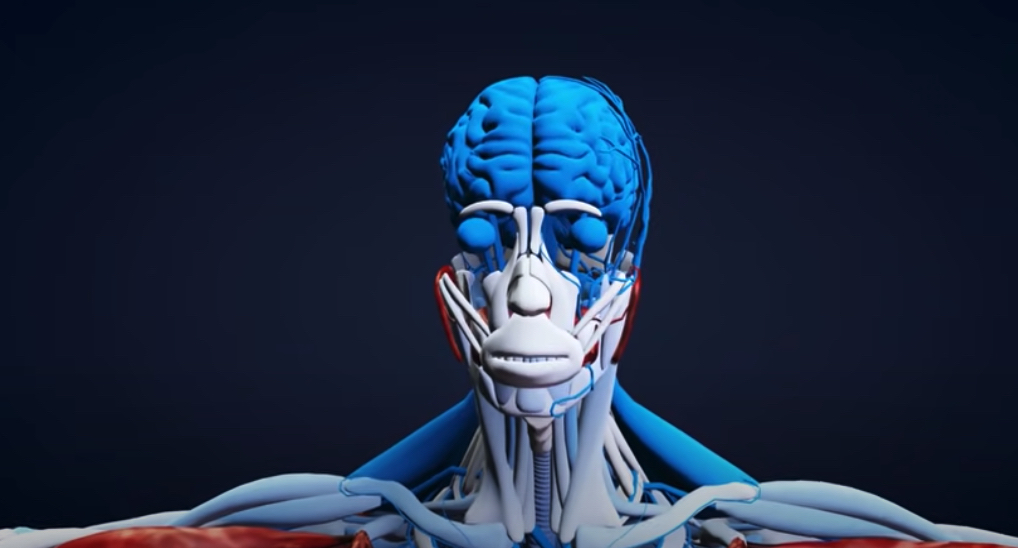
Being truly limitless might sound like freedom from ever having to choose. Stop for a moment, though, and consider what limitless would genuinely mean in practice. If every scrap of mental energy were funneled into a single groundbreaking pursuit, curing a disease or engineering some revolutionary invention, what happens to everything else your body needs?
Breathing, heartbeat, digestion, and circulation all run through your brain constantly, whether you consciously think about them or not. Even with full access to 100 percent of your brain’s capacity, none of that processing power could be entirely redirected toward conscious thought alone, since your body would always need its own share just to stay alive. Survival itself, in other words, quietly places a hard ceiling on how much mental capacity you could ever truly devote to thinking freely.
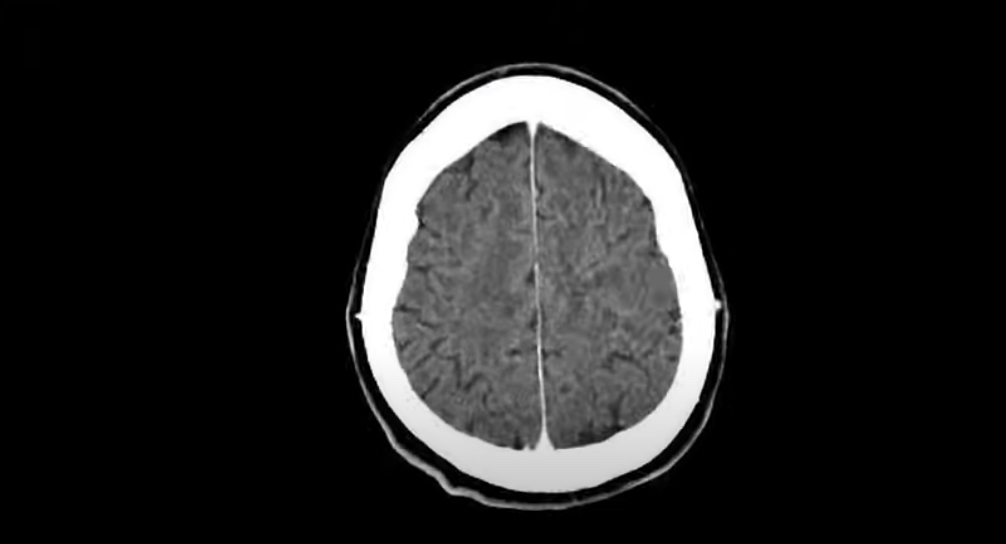
Going back to that earlier claim about humans only using 10 percent of their brains, did it actually sound convincing at the time?
As it turns out, that idea is nothing more than a myth, one that likely stems from misunderstanding how the brain is actually built. It contains different categories of cells, including neurons responsible for sending and processing information, alongside glial cells that provide crucial support, protection, and insulation for those neurons to function properly.
What makes this even more interesting is that human brains are all remarkably similar in structure. You likely carry roughly the same number of neurons Albert Einstein once had. The real difference in ability, then, has nothing to do with how much brain gets used and everything to do with how it gets trained and developed. Treat your brain like a muscle, challenge it regularly, pick up new skills, stay genuinely curious, and give it proper rest, and consistent mental stimulation paired with healthy habits will do far more for you than chasing some mythical percentage ever could.