Imagine waking up one morning and deciding you never want to work again. No alarm clock, no stressful meetings, and no boss telling you what to do. Sounds pretty great, right?
Now imagine that everyone on Earth made the exact same decision at the same time. Every doctor, driver, farmer, police officer, engineer, cashier, and construction worker simply stopped working. What would happen to the world?
At first, it might feel like the ultimate vacation. But it would not take long before we realized how much of our daily lives depends on other people going to work.
Jobs do more than give people money. They keep cities running, provide food and electricity, maintain transportation, and give many people a sense of purpose. At the same time, work can also create enormous amounts of stress, with nearly 83% of workers in the United States experiencing some form of work related stress.
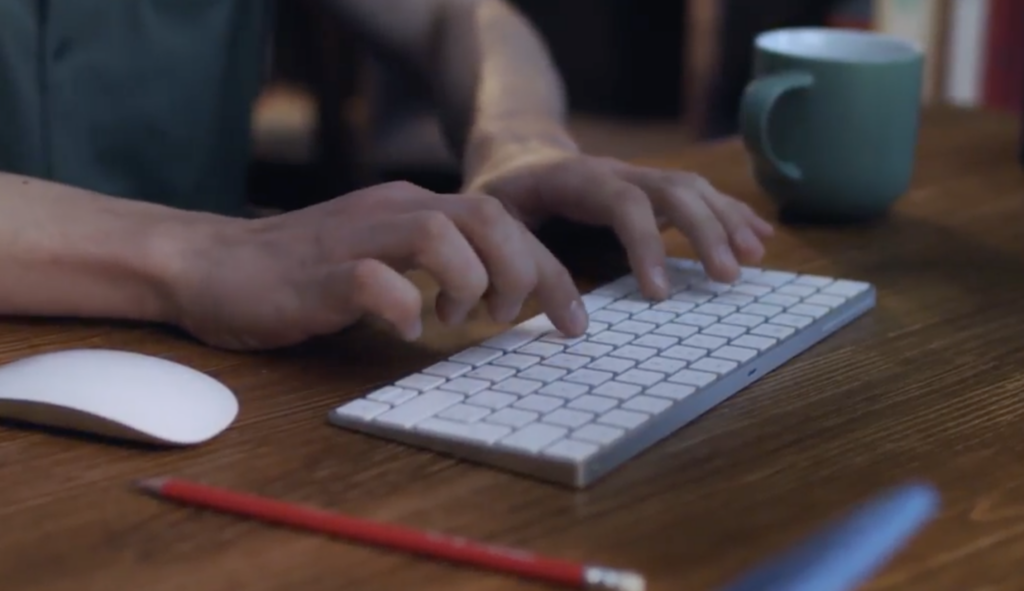
So what if nobody worked anymore, including the people responsible for essential services?
The first day would probably feel strangely peaceful. Roads would become quieter, offices would be empty, and millions of people would stay home. But behind the scenes, important systems would already be starting to fail.
Power plants would eventually lose workers. Water treatment facilities would stop operating, and internet services would begin going offline. Without people maintaining the systems we depend on every day, modern life could quickly become very difficult.
Food would become one of the biggest problems. Grocery stores would stop receiving deliveries, farms would lose workers, and warehouses would no longer distribute supplies. As food became harder to find, people would begin searching for whatever they could get.
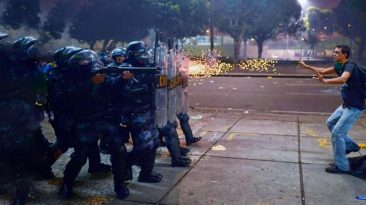
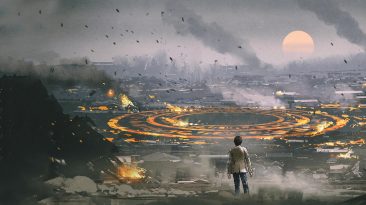
That could lead to widespread looting and a huge increase in crime. Police officers would also have stopped working, leaving communities with little protection. Riots and destruction could spread as people became desperate.
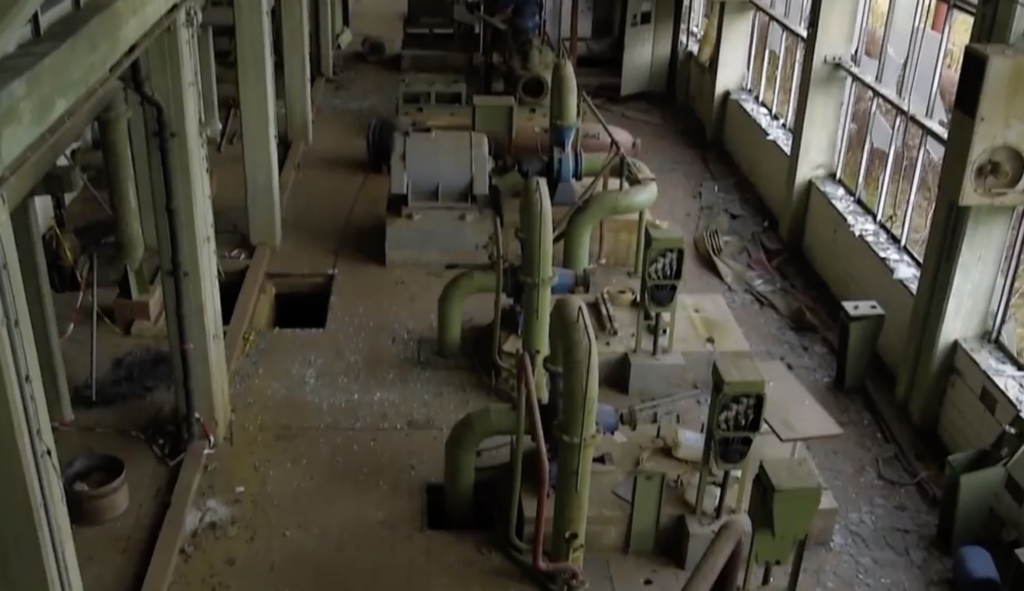
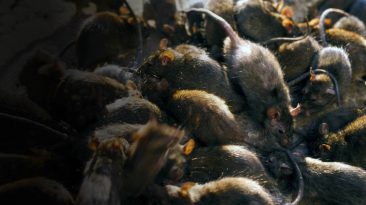
Cities would quickly begin showing the effects. Garbage would pile up in the streets because nobody would collect it. After more time passed, sanitation systems could fail, creating serious problems with waste and sewage.
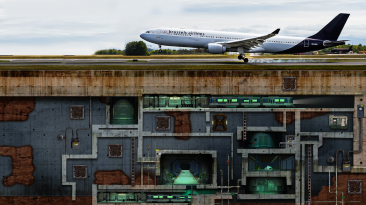
Yet there would be one unexpected benefit. With factories closed, airplanes grounded, and most vehicles sitting unused, pollution would fall dramatically. Nature would finally get a break from some of the activity that normally damages the environment.
But humanity could not remain in complete chaos forever. Eventually, people would have to start working together simply to survive.
Communities could begin growing their own food and sharing resources. Instead of earning money, people might exchange goods and services directly. Someone could grow vegetables while another person repairs equipment or builds homes.
Over time, people would probably return to essential work, not because they wanted a paycheck, but because society could not survive without it. Farmers, doctors, engineers, builders, and other workers would become essential to rebuilding civilization.
The experience could even change how we think about work. People might spend more time creating art, making music, learning skills, or working on projects they actually care about.
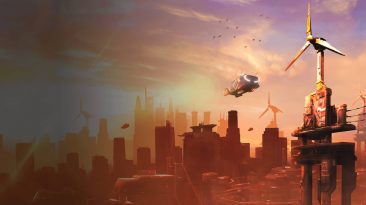
Technology could also become a much bigger part of everyday life. Robots are already capable of performing many repetitive tasks, and more advanced machines could eventually take over jobs that humans do not want to perform.
If robots became capable of handling most of the world’s necessary work, humans could have far more free time. A system such as universal basic income could potentially allow people to receive money to support themselves while machines handle much of the labor.
So perhaps a world where nobody has to work would not necessarily be the end of civilization.
But before humanity could enjoy that future, it would have to survive the terrifying period when everyone stopped working at once.
And if robots eventually took over all the jobs, the bigger question would be whether they would continue working for us, or decide they no longer needed us at all.