Every animal on this planet lives at our convenience. We decide which ones get eaten, which get displayed behind glass, which sleep on the sofa, and which get hunted for entertainment.
That arrangement has held for a very long time, mainly because nothing has been in a position to challenge it.
Then a fleet arrives from somewhere else, and the arrangement changes hands.
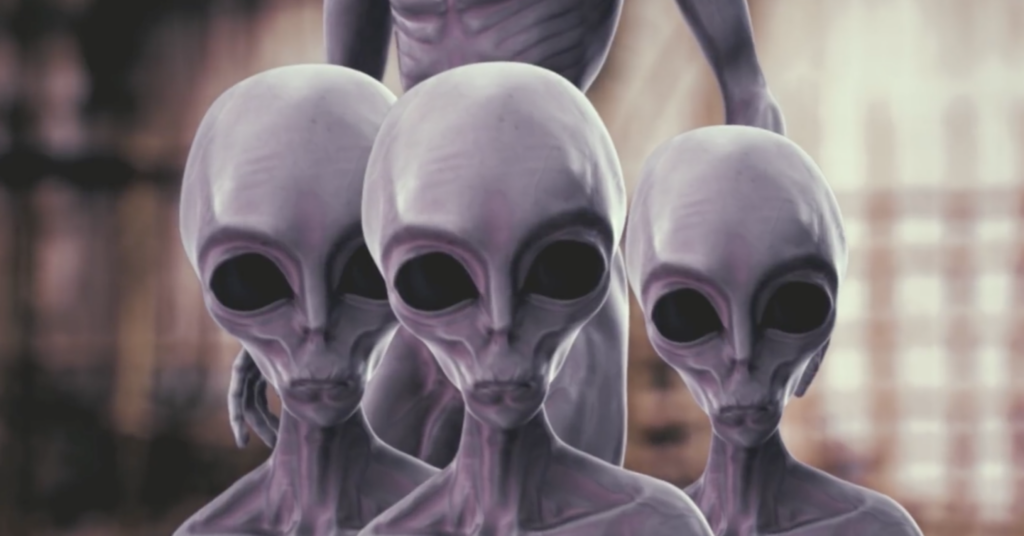
These visitors are not diplomats. They came to take charge, and humanity has been quietly demoted from top of the food chain to somewhere considerably lower on it.
The obvious question is what happens next, and the uncomfortable answer is that we already know, because we’ve been running the same system on everything else for centuries.
Start with the harshest possibility, which is that we turn out to be food.
Our cells are constructed from proteins, nucleic acids, and membranes. Should our new arrivals share anything resembling our biochemistry, human bodies become a viable energy source for them.
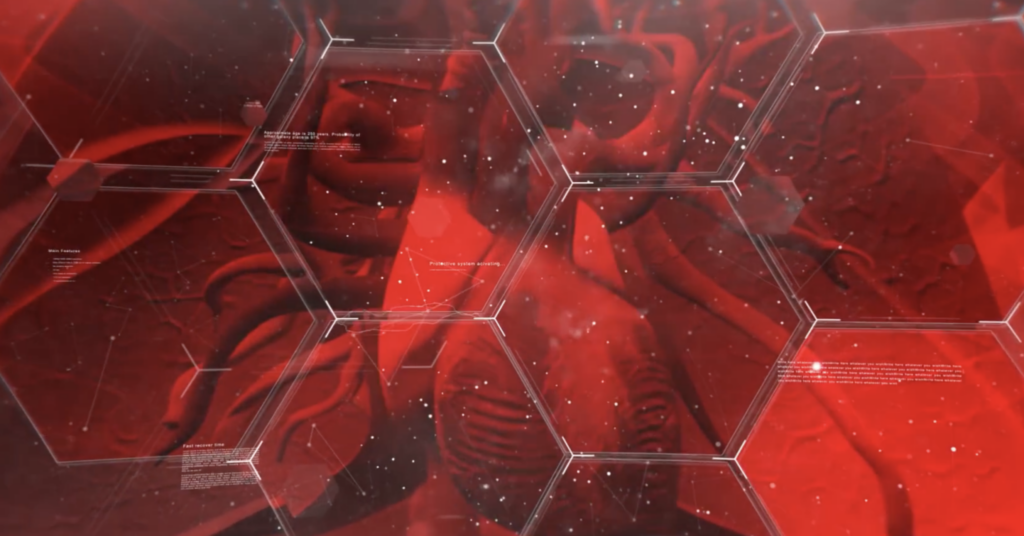
Look at how thoroughly we’ve industrialized that logic ourselves. China’s pork industry alone is worth $128 billion, supported by 433 million pigs raised for slaughter.
Nothing about that operation would look unusual to a species doing the same thing to us.
And if the demand spread beyond Earth, humans could become an export.
Even within our own economy, the numbers around human bodies are startling. A heart transplant runs to $1.4 million, with the organ itself valued around $119,000 on the open market. Kidneys sit near $200,000, livers around $157,000, and bone marrow reaches $23,000 per gram.
Those are our prices, set by us. Introduce buyers from other worlds and we simply become livestock with a market rate attached.
Maybe they wouldn’t eat us, though.
There’s a version where they take one look at humanity and find us charming instead.
Americans currently keep close to 70 million dogs and 74 million cats. Brazil houses 191 million pet birds. None of those animals chose the arrangement, and most of them seem content enough with it.

Then there’s the option that might be worse than either. Not eaten, not adopted, just watched.
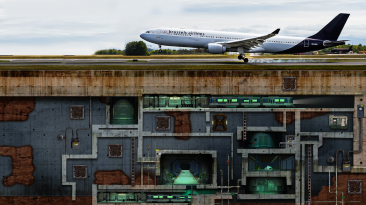
Roughly 6,000 species live in zoos around the world, totaling about 8 million animals. A human zoo would offer less biological variety, admittedly, though we’d more than compensate in entertainment value.
Picture a class of alien children pressed against the glass while their teacher explains what you’re doing in there.
All of which raises the question of why they’d bother coming here at all.
Earth is genuinely appealing real estate, as it happens.
We have plate tectonics working to keep the climate stable, a global magnetic field deflecting solar wind before it reaches the surface, and a moon large enough to stop the planet wobbling badly on its axis.
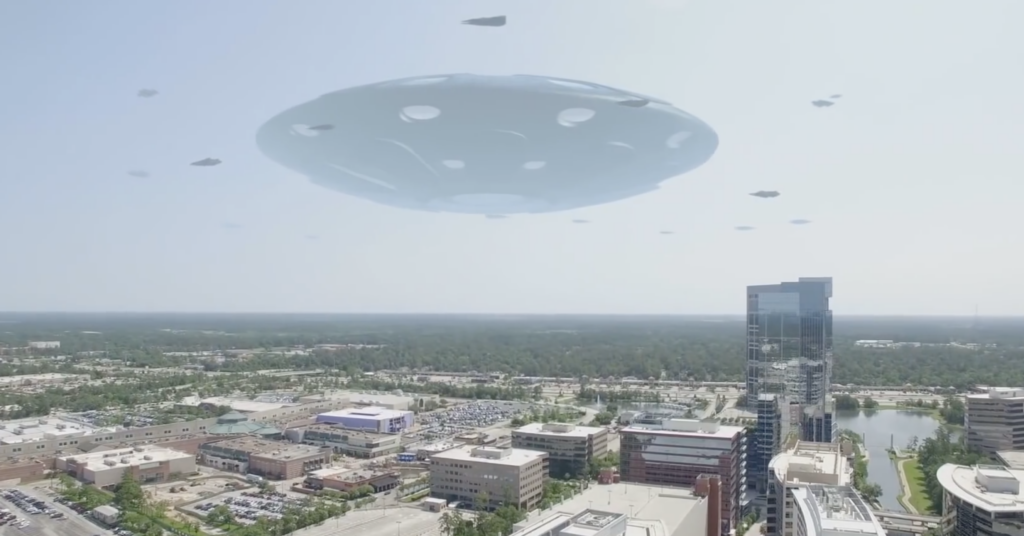
That combination may be far rarer than it seems from down here, and finding it elsewhere could be difficult even for a species crossing light years.
So they take the planet for the planet, and we come with it, tasty and profitable and already conveniently concentrated into cities.
With complete control of the human supply, they’d be free to start redeveloping their new property however they liked. Anything capable of travelling here could presumably reshape a world without much difficulty.
Obviously nobody knows what any of this would actually look like. It’s one scenario among many.
The unsettling part is that every detail of it was borrowed from something we’re already doing.