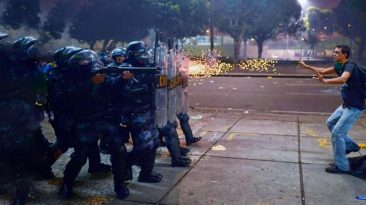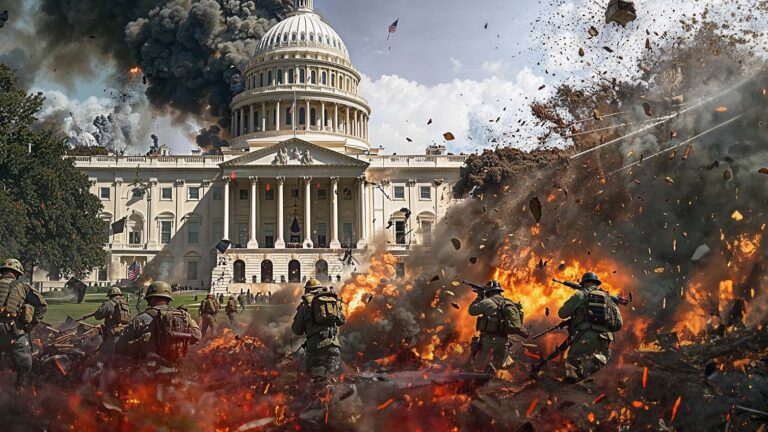
You and your family wake up to an emergency broadcast: “The United States is now in a state of emergency. Riots erupt, statues are torn down, and the government collapses under the weight of escalating violence.
Food shortages and rampant looting lead to widespread panic. Clashes between armed forces break out across the country.
Would America ever be able to recover from this kind of devastation?
6 Months Before the War
Six months before the war, the polarization of America has reached new heights. Political speeches have become increasingly inflammatory, with leaders portraying the opposition as existential threats to the nation’s future.
Partisan news outlets amplify the polarization by presenting biased interpretations of events and selectively reporting facts. Making things worse, people only get one side of the story on social media.
But we already know that. Algorithms designed to maximize engagement increasingly push users towards content that reinforces their existing beliefs.
1 Month Before the War
As the presidential election approaches, accusations of voter fraud and foreign interference spread like wildfire. Political rhetoric and misinformation amplify distrust in the electoral process, leading to widespread calls for investigations and recounts.
Protests become more frequent and more intense. Issues such as racial injustice, police brutality, and economic disparities lead to massive demonstrations. These protests often encounter counter-protests, resulting in violent confrontations.
The atmosphere becomes charged with tension, as both sides view each other not just as opponents but as enemies. Pay attention to warnings from local authorities and independent news outlets. Being aware of potential hotspots for violence can help you avoid dangerous situations.
Civil War Begins
As the crisis deepens, divisions within the military and law enforcement become inevitable. Citizens in these institutions begin to take sides based on their political beliefs and regional loyalties.
Some units refuse to obey orders from the federal government, while others remain loyal, leading to a fragmentation of authority and control. This means more violent confrontations. For civilians, the division within the military and law enforcement poses a significant threat.
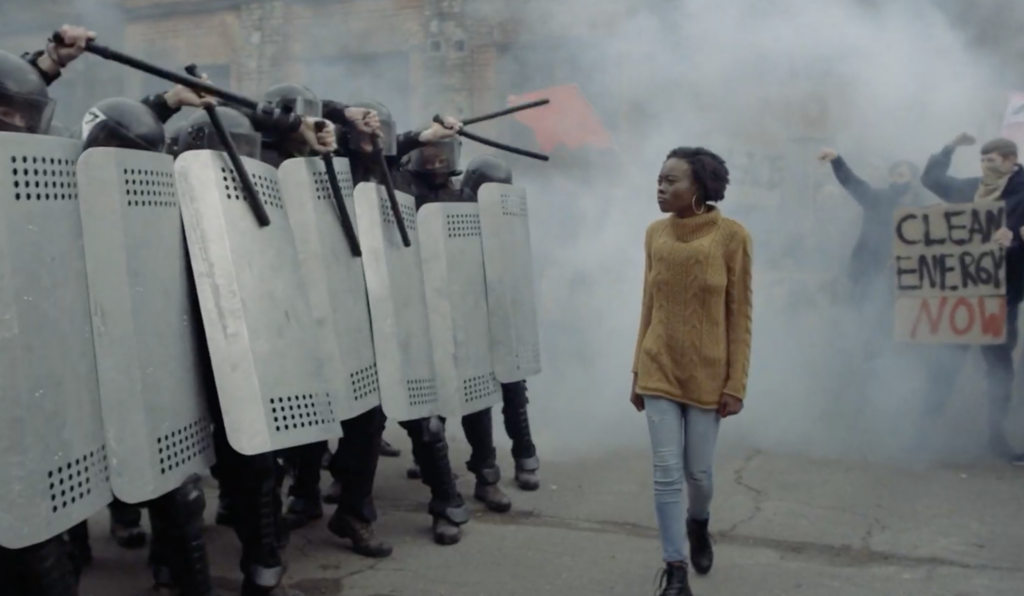
The breakdown of law and order now leads to an increase in crime and violence. And with different factions fighting for control, civilians find themselves caught in the crossfire. Familiarize yourself with escape routes and safe zones. Knowing where to go and how to get there if your current location becomes unsafe will be crucial for your survival.
1 Month of Civil War
As the federal government loses its authority, paramilitary groups and militias begin to mobilize. These groups, often driven by extremist ideologies or local loyalties, take advantage of the chaos to push their agendas and assert control over territory.
Clashes between rival groups from the same State become common, contributing to a growing humanitarian crisis. Civilians face displacement, shortages of food, water, and medical supplies. Human rights abuses are widespread.
6 Months of Civil War
As the conflict drags on, the economic impact starts to show. Businesses across the nation are forced to shut their doors. Supply chains, which once provided a steady flow of goods and services, break down completely.
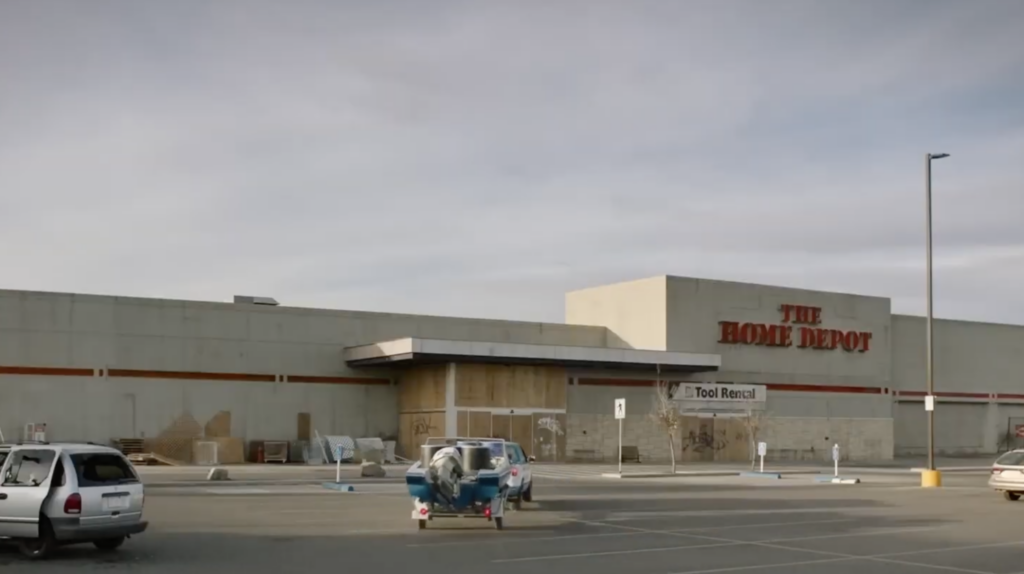
As transportation networks are disrupted and production facilities are abandoned or destroyed, basic necessities are now scarce. The stock market crashes, and the value of the dollar spirals downward.
At this stage, you should still be prioritizing getting food, water, and medical supplies. Building relationships with your neighbors and community members will be a priority.
Years of Civil War
The long-term effects of the Civil War will cast a long shadow over the nation. Social, economic, and psychological scars will affect generations. Rebuilding trust, healing wounds, and addressing systemic injustices become ongoing struggles.
The new government should promote reconciliation, economic development, and mental health support as critical steps to the nation’s long-term recovery.
Another American Civil War would be a catastrophe of unimaginable proportions. And while this scenario may be hypothetical, many people argue we’re already living in the first stages of it.