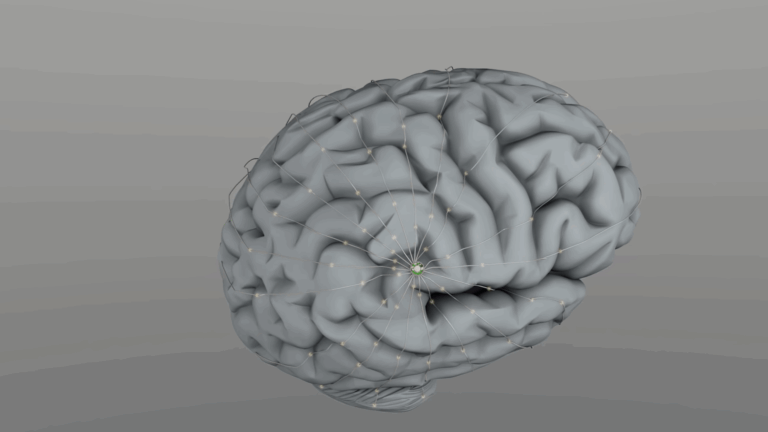
Neuralink is an American company started by ohhhhh, let’s just say “well-known public figure” Elon Musk. Launched back in 2017, its mission was to provide people with neurological disabilities a way to communicate and to take back control of their lives through brain chips.
Today, clinical trials have proven this is a possibility; the first trial participant even named his chip “Eve” as in Adam and Eve, and is using it to access websites to learn Japanese.
But, there are some…concerns… about the implications of these chips implanted in your brain.
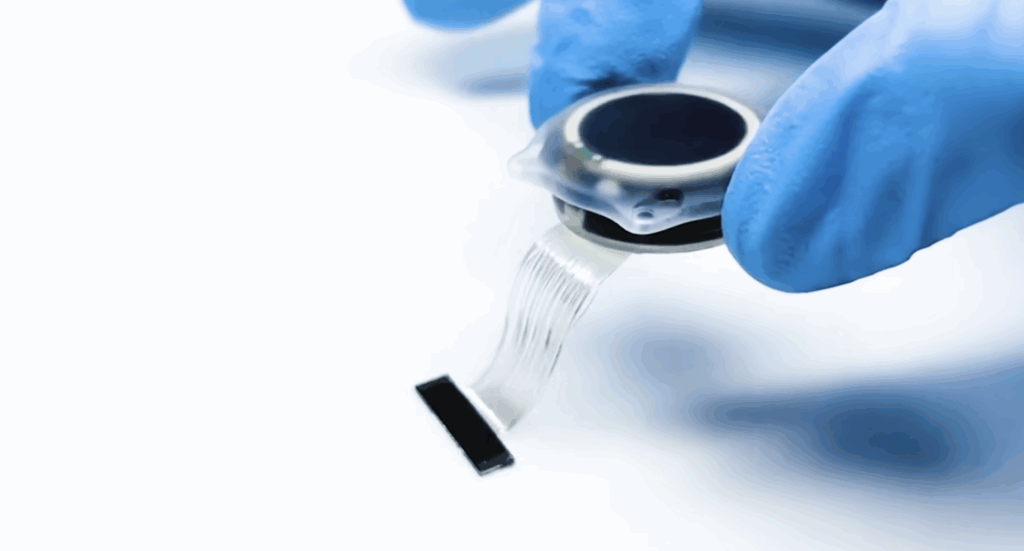
Neuralink’s brain chip is about the size of a coin. It has electrode threads that get connected to the part of your brain responsible for movement. The chip measures brain waves and uses them to move a cursor on a computer screen.
Now, the biggest concern with any device containing your personal information is the threat of hackers. Hackers are looking for valuable personal details, things like passwords and bank accounts. If computers were built into our brains, hackers could easily steal passwords straight from our memories.
Taking things from our memories or using our neurons to hack other computers is one thing. But what if they could take over your brain?
You’d question whether you really wanted to buy a new car – or if someone else was hacking into your brain chip. Hackers don’t need to take the time to gently influence our thoughts when they can take over our bodies and make us do anything they want.
If Neuralink were adopted worldwide, the brain chips could function like an alternate version of the Internet, where everyone is connected and shares information freely. A big concern with this idea of global mind connection is that eventually, something like the “thought police ” might develop.
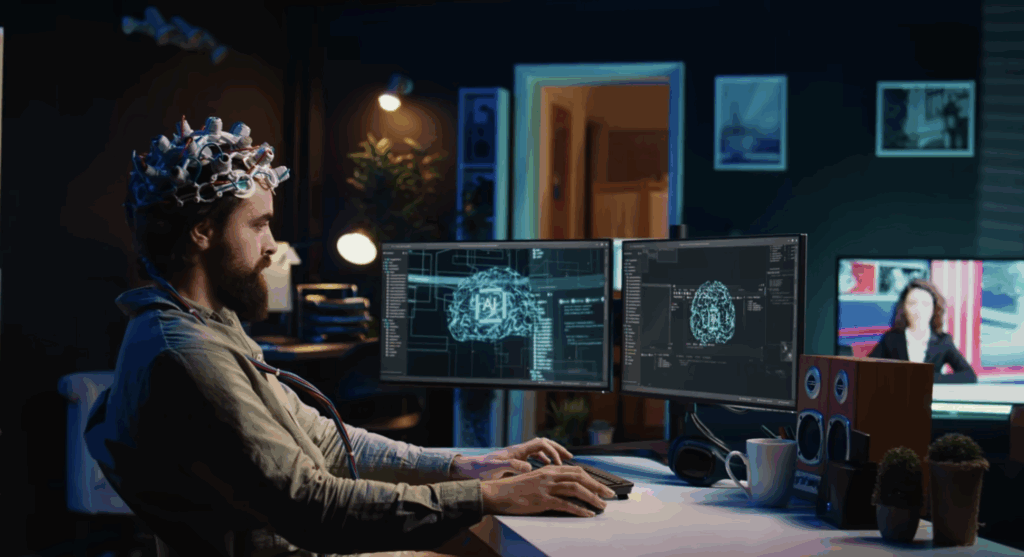
Thankfully, the Neuralink brain chip interacts with the part of the brain relatd to movement, not the part that stores memories or thoughts. But outside of the medical field, if Neuralink went global, there could be serious geopolitical consequences.
Tensions are high between several countries, especially China and the US. While China started later developing their neurotechnology, they’ve quickly caught up, and their trials are on par with Neuralink’s. The Chinese brain chip focuses on reading and translating brain signals into simple sentences. This allows people with diseases like ALS to hold a conversation in real time.
If America flooded the global market with Neuralik technology, already existing points of tension, like the ongoing trade war, would escalate. There’s no doubt that these chips would be useful in the military, implanted to enhance the brains of soldiers. But then they’d be vulnerable to hacking, just like civilians.
On a philosophical note, adding brain chips to humans poses a question about human evolution. Some, like Elon Musk, may consider human and machine integration the next logical step in our evolution. Others may claim that this act of integration takes away from our humanity, especially with the addition of AI.
Human autonomy and evolution will be at the forefront of everyone’s mind.