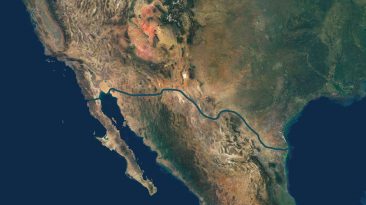
First of all, look at the map. Iran isn’t a country, it’s a fortress. Three times the landmass of Iraq. Four times the population. And mountains that surround Tehran like a natural 10,000-foot wall. You don’t march into Iran. You climb.
Terrain like this is brutal for modern armies.

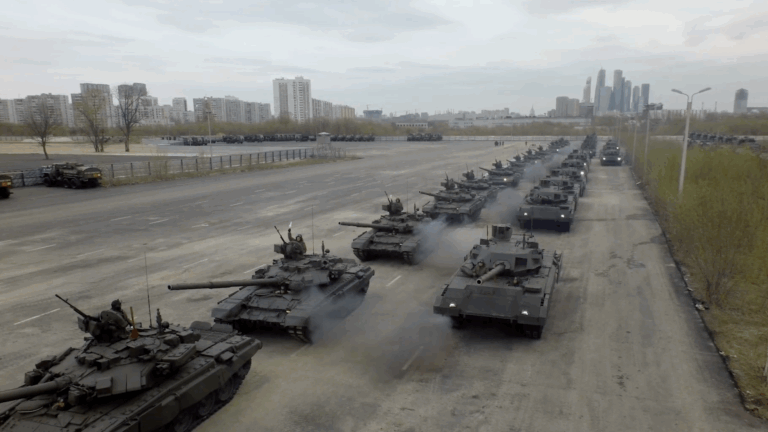
Week one would look pretty familiar. Air strikes. Chaos. Silence. The Iranian military would clear the battlefield fast. And that’s when the generals would remember what happened in the war game simulations.
Iran’s military doctrine assumes it can’t win a conventional war against a superpower. So it built a strategy designed to keep fighting even after losing the first battle. Iran calls it Mosaic Defense. Instead of relying on one centralized army, the system breaks Iran’s forces into thousands of small independent units.
If major bases or leadership are destroyed, those units can keep operating on their own. The goal isn’t necessarily to win quickly.
It’s to make the war long, chaotic, and expensive for the enemy.
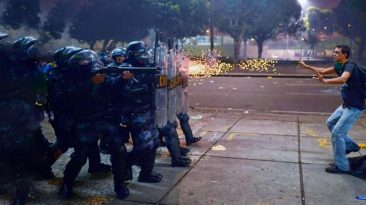
But the battlefield wouldn’t stay inside Iran. Hezbollah would move from “support” to total war in the north. Iraqi militias would be hunting supply lines.
The Houthis in Yemen would choke off the Red Sea. The U.S. wouldn’t just be invading 1 country; they would be pulling on a thread, unravelling the entire region.
And while the West would burn through trillions of dollars, Russia and China would just watch the clock. They don’t need to fire a shot, they just need to make sure the fire keeps burning.
But here’s the number nobody wants to say out loud. The war in Iraq cost $2 trillion. It took 20 years, and the USA left without winning. Well, Iran is bigger, steeper, and much more motivated.
So, here’s the question: What does the U.S. do on Day 1,000? Is there a win condition, or is this the thread that unravels the century? And, is spending trillions of dollars really worth it?
Drop your theory in the comments.