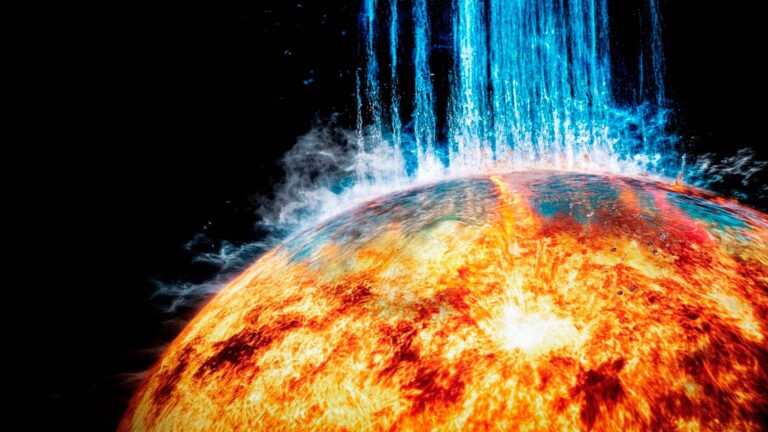
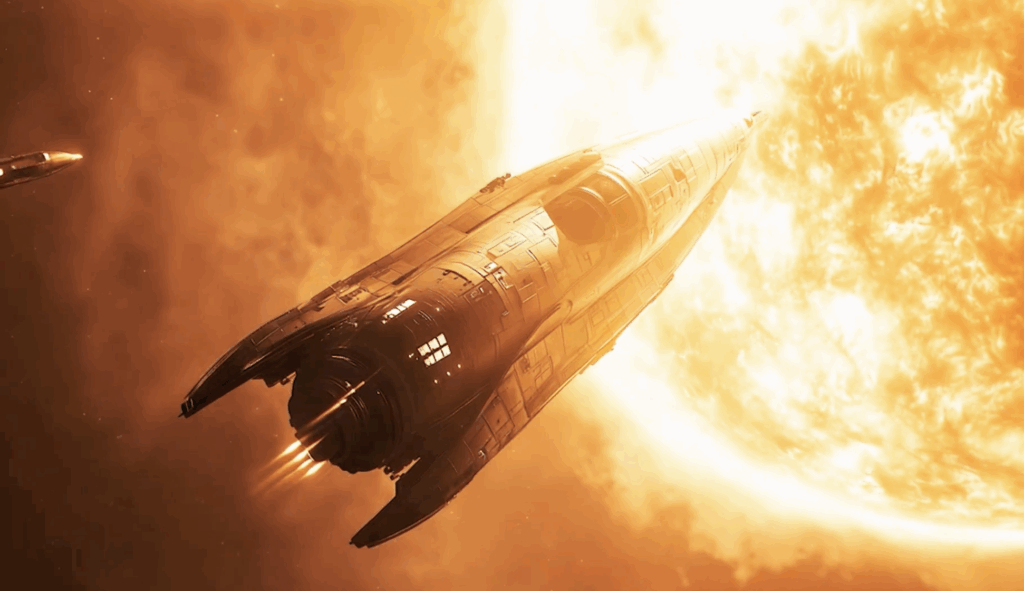
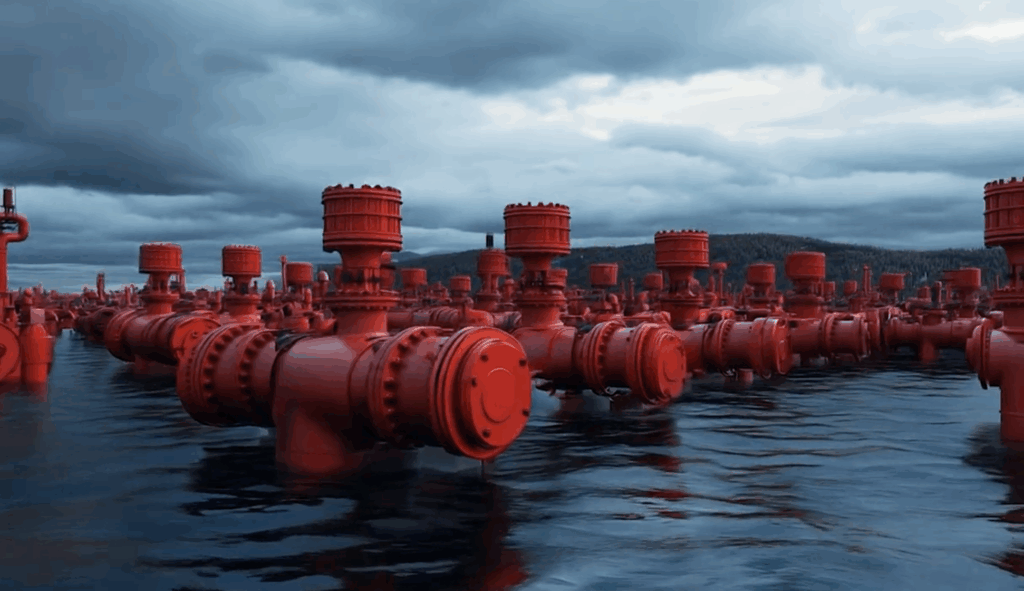
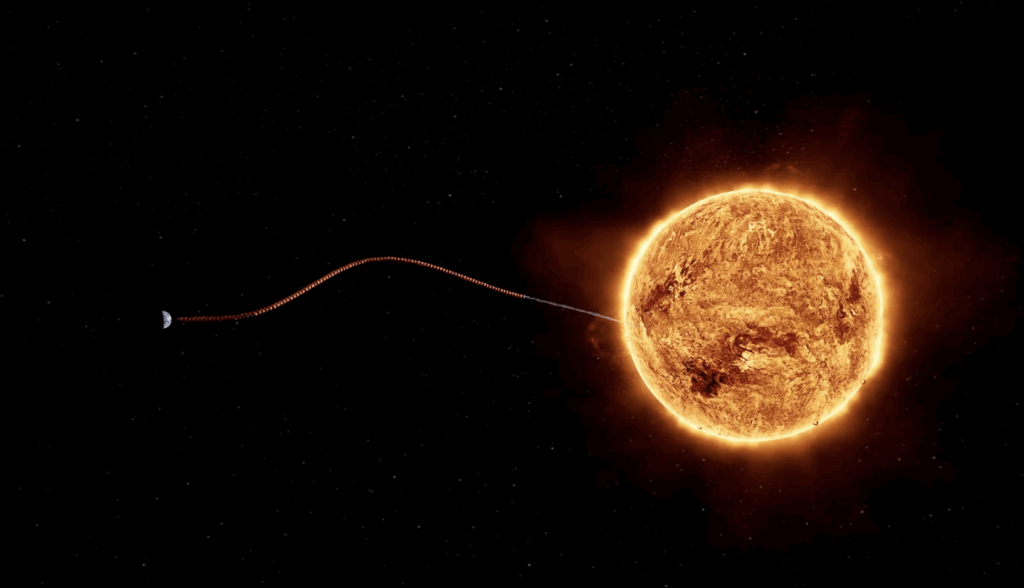
Things are getting hotter and hotter here on Earth, and global warming has everyone panicking. But let us try a wild idea: what if we took every drop of Earth’s water and poured it on the Sun? Could it cool things down? And more importantly, is it even possible?
1. The Sun Is Colossally Massive
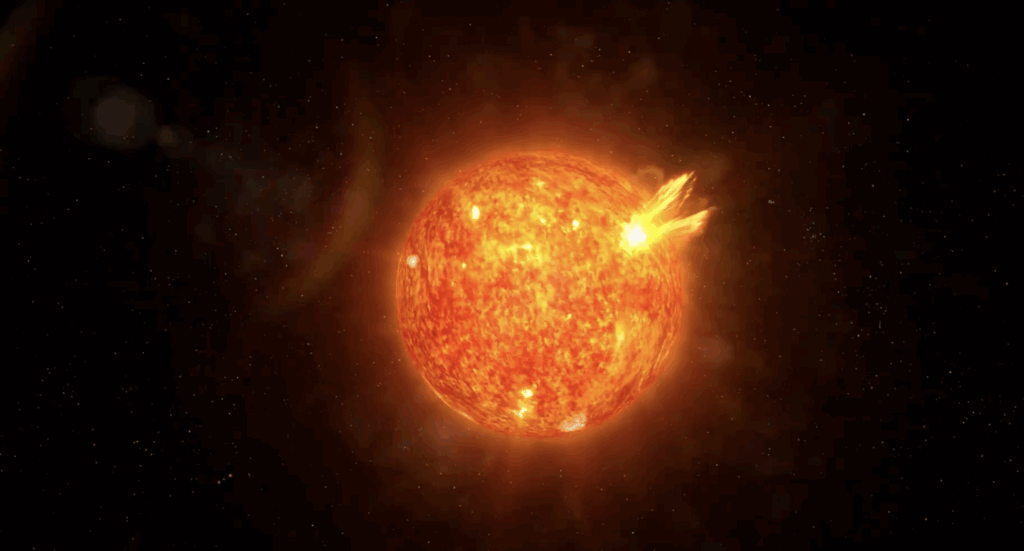
The Sun is not just a giant ball of fire, it is the heavyweight of our Solar System. It is 1.3 million times the size of Earth, primarily made of hydrogen seventy percent and helium twenty eight percent, with the remaining two percent composed of elements like carbon, nitrogen, and oxygen.
2. Distance Makes the Mission Nearly Impossible
The Sun is about 150 million kilometers or 93 million miles away, roughly 400 times farther than the Moon. For comparison, Earth’s circumference is only 40,000 kilometers. Reaching the Sun is not just a long road trip, it is a logistical nightmare that requires far more energy than sending spacecraft to Mars.
3. The Scale of Earth’s Water Is Enormous
Earth’s surface is 71 percent water, totaling roughly 1.3 billion cubic kilometers or 332 million cubic miles. That is 554 trillion Olympic sized swimming pools. Even a small fraction of this volume is almost unimaginable to transport, let alone the entire planet’s supply.
4. Launching Water to the Sun Is Mind Bogglingly Complicated
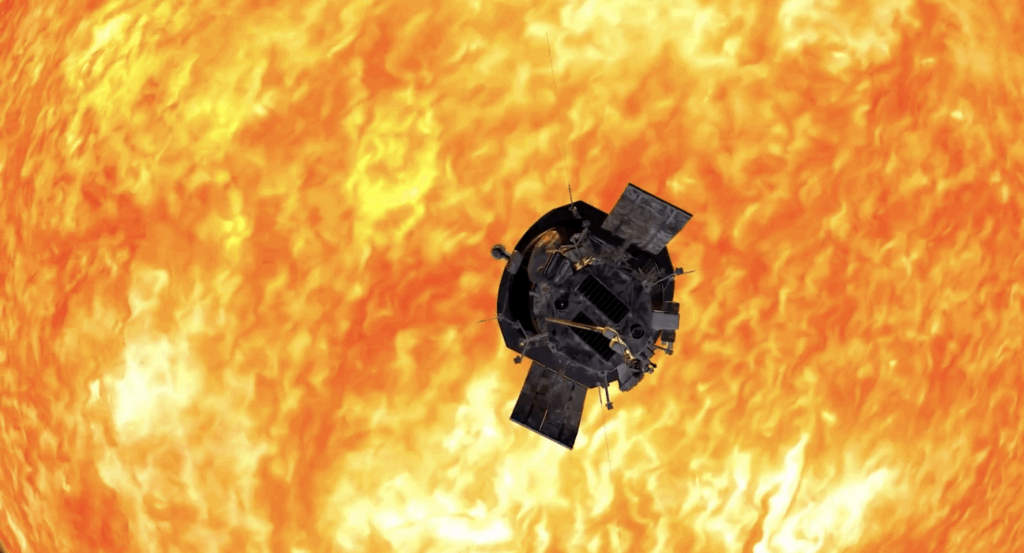
Even sending a single glass of water to the Sun is a monumental task. The Parker Solar Probe, the closest spacecraft ever sent, only reached 6.2 million kilometers from the Sun. Launching anything closer is extraordinarily difficult because objects leaving Earth must account for our planet’s high orbital speed of 107,000 kilometers per hour or 67,000 miles per hour.
5. Scaling Up Makes It Totally Unrealistic
If we tried to pour something bigger like Lake Superior onto the Sun, we would need billions of tanker trucks and Starships to transport the water. Even with hundreds of powerful pumps working nonstop, moving all the water could take decades.
6. Water Would Actually Make the Sun Burn Brighter
Here is the cosmic twist: the Sun’s “fire” is not chemical combustion like a campfire, it is nuclear fusion. When water hits the Sun, it breaks into hydrogen and oxygen. The extra hydrogen could feed the Sun’s fusion reactions, making it burn slightly brighter.
Black holes are one of the most devastating objects in space, sucking up everything around them. But there’s another space phenomenon that’s just as...
What does wealth look like to you? Is it a hundred dollars? A thousand dollars? A million dollars? We can always go higher. But how much is too much? In...
Unlike Earth, which is orbiting the Sun, there are billions of rogue planets roaming the Milky Way not bound to any host star. One of them has been spotted on the edge...
Ever had a freshly cooked steak, delivered straight from the International Space Station? Let me tell you — it’s not going to be what you might expect. You must be...
Would you drink water that was extracted from the Moon? With NASA’s recent discovery of water on the Moon’s surface, it might become a more common practice...
The Paleozoic Era represents one of the most transformative periods in Earth’s history, spanning approximately 289 million years from 541 to 252 million years ago...
Imagine being able to travel to any point in time. Where would you go, and what would you do? You could witness some of the greatest moments in history or even change...
As much as we love to blow stuff up here on Earth, no bombs or pyrotechnics could compare to the incredible force of nature’s biggest explosion, the supernova. As...
Nearly 800 million light-years away, something has been forming. Scientists aren’t exactly sure what it is but have dubbed it ‘the black neutron star.’...
Imagine an ultimate road trip across the globe. On a highway along the equator. Wait, there is no highway along the equator… yet. So how about we build one? What...