In the shifting geopolitical landscape of the Middle East, one factor remains a constant point of concern for international security analysts: Iran’s missile program. Over the last three decades, Tehran has transformed from a nation dependent on foreign imports into a regional powerhouse capable of producing a vast array of sophisticated ballistic and cruise missiles.
But just how powerful is this arsenal, and what does it mean for regional stability?
The Largest Arsenal in the Middle East
According to U.S. intelligence assessments, Iran possesses the largest and most diverse missile arsenal in the Middle East. While Iran’s air force has struggled under decades of sanctions, relying on aging American and Soviet-era jets. Tehran has pivoted its military strategy toward “asymmetric warfare.” By prioritizing missile development, Iran has created a deterrent that can reach targets far beyond its borders without the need for a modern air fleet.
Range and Reach: From Regional to Intercontinental
Iran’s missile capabilities are generally categorized by their range, and the progress made in each category is significant:
Short-Range Ballistic Missiles (SRBMs): These are the workhorses of Iran’s tactical operations. With ranges up to 500 kilometers, these missiles, such as the Fateh-110, are highly accurate and have been used in various regional conflicts.
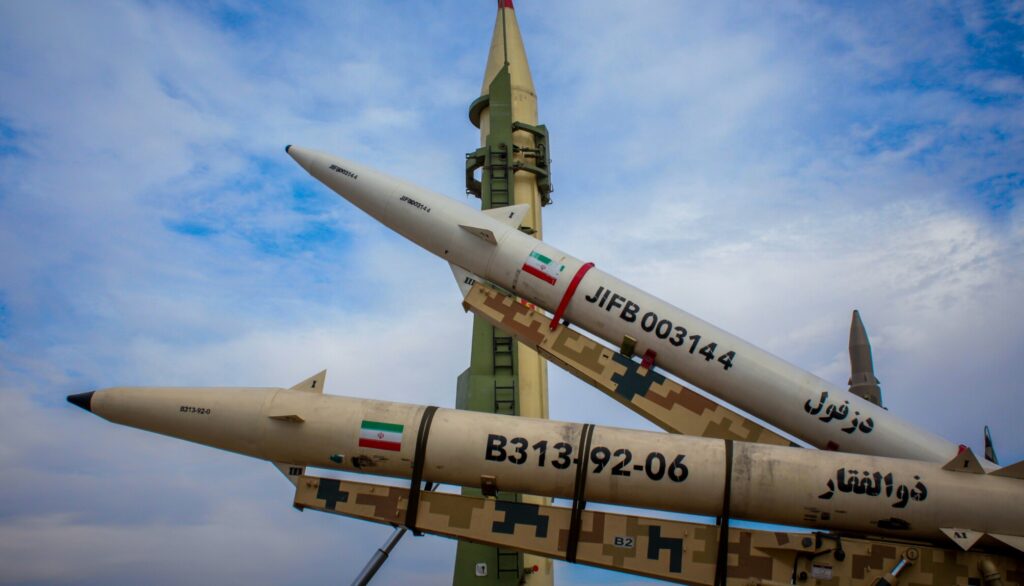
Medium-Range Ballistic Missiles (MRBMs): This is where Iran’s reach becomes a strategic threat to regional capitals. The Shahab-3 and the more advanced Khorramshahr can travel up to 2,000 kilometers. This range comfortably places Israel, much of the Arab world, and parts of Southeastern Europe within striking distance.
The Question of ICBMs: While Iran has not yet tested an Intercontinental Ballistic Missile (ICBM), Western officials remain wary. Iran’s space launch program uses technology that is largely interchangeable with long-range military missiles, leading many to believe that Tehran could develop an ICBM capable of reaching the United States if it chooses to do so.
Accuracy and Precision: The Great Leap Forward
In the past, Iranian missiles were criticized for their lack of precision, often described as “area weapons” that could miss their targets by hundreds of meters. However, recent years have seen a dramatic shift.
The 2020 strike on the Al-Asad airbase in Iraq demonstrated a level of accuracy that surprised many Western observers. Using GPS guidance and terminal seekers, Iranian missiles are now capable of hitting specific hangars or buildings, turning what was once a blunt instrument into a precision-guided weapon.
The Role of Drones
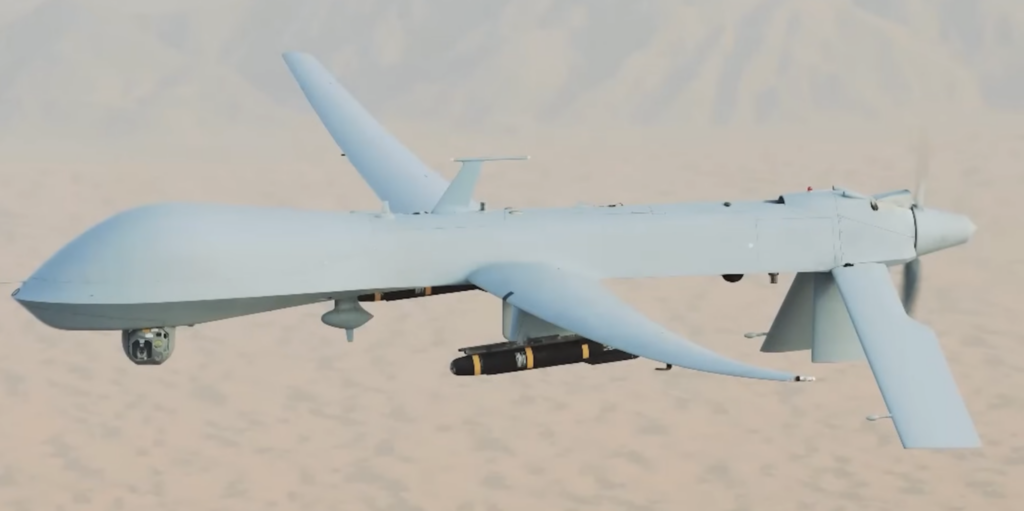
It is impossible to discuss Iran’s missile power without mentioning its Unmanned Aerial Vehicles (UAVs). Iran has integrated its drone technology with its missile strategy, using “suicide drones” like the Shahed-136 to overwhelm air defenses. By launching swarms of low-cost drones alongside high-speed missiles, Iran can saturate sophisticated defense systems, making it more likely that its larger missiles will reach their targets.
For Tehran, the missile program is a matter of national sovereignty and a vital deterrent against potential invasion. For the rest of the world, it is a source of intense proliferation concern. Unlike its nuclear program, which is subject to international monitoring, Iran’s missile development has continued largely unchecked, fueling an arms race in the Middle East.
As diplomacy continues to fluctuate, one thing is certain: Iran’s missile program has fundamentally changed the calculus of war and peace in the region. With its combination of range, precision, and sheer volume, Tehran’s “firepower” is no longer just a local threat, it is a global strategic reality.