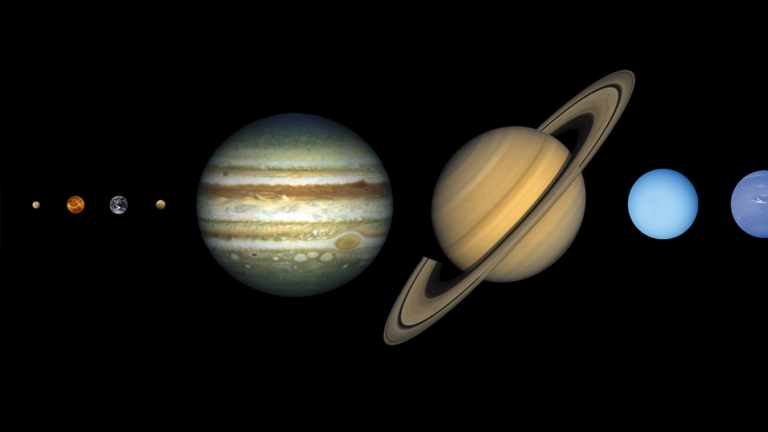
From crushing pressures to oceans of liquid metal, every planet in our solar system hides something extraordinary beneath its surface. Scientists can’t physically reach these depths, but through seismic waves, gravity data, and space missions, they’ve uncovered fascinating clues.
Let’s take a journey from the Sun outward and explore what lies deep inside each world.
Mercury
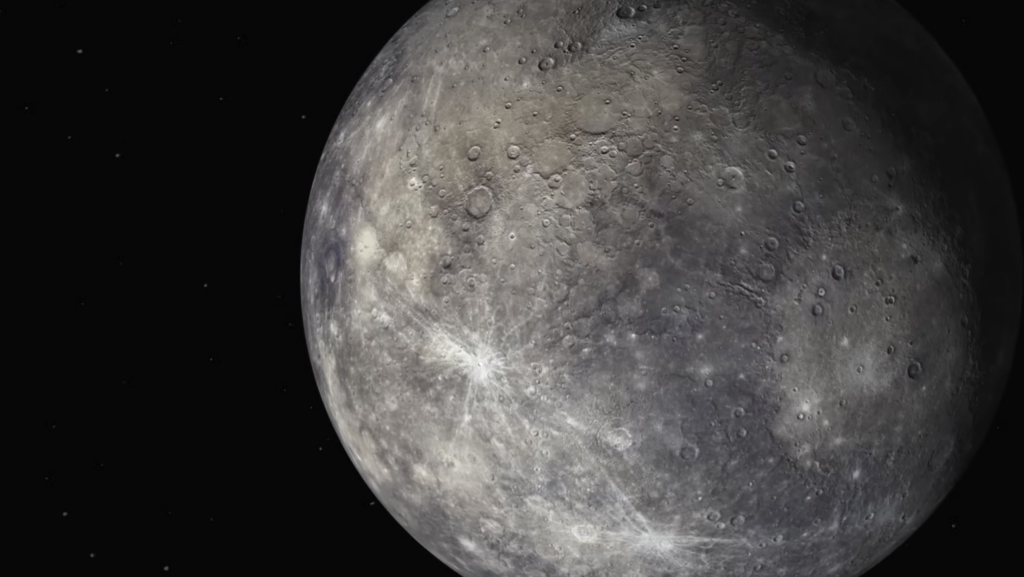
Mercury is a small, scorched world with a surprisingly massive core. Its metallic core makes up about 85% of the planet’s radius, leaving only a thin crust and mantle above it. This core is mostly iron and is likely still partially molten due to sulfur and radioactive elements. Some scientists even suggest a hidden layer of diamonds deep inside, formed under extreme pressure. Temperatures swing wildly on the surface, but deep below, Mercury remains intensely hot. Overall, it’s less a rocky planet and more like a giant iron sphere.
Venus
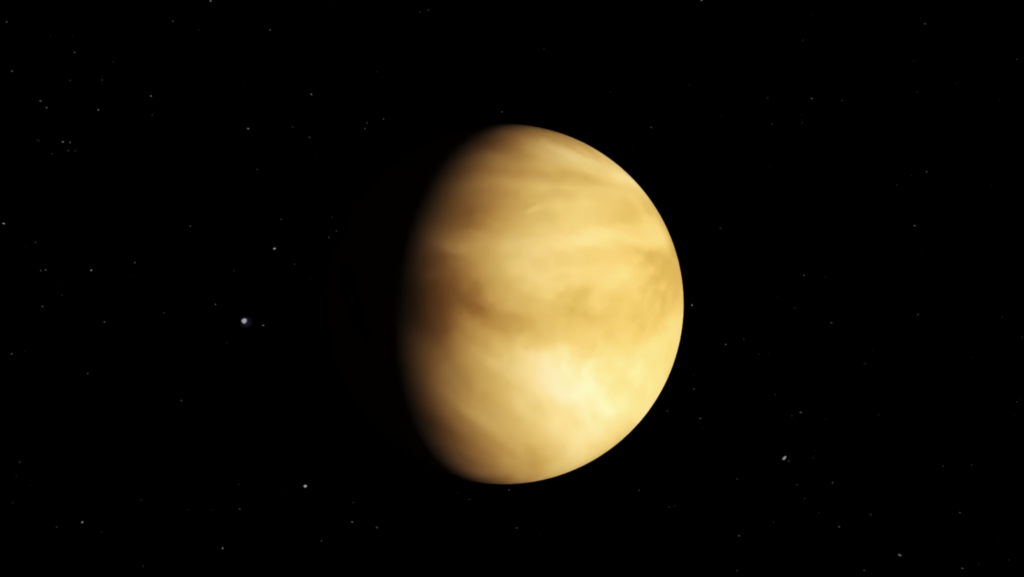
Venus is often called Earth’s twin, but its interior tells a more hostile story. Beneath its thick crust lies a superheated mantle that traps heat due to the lack of plate tectonics. This causes massive volcanic resurfacing events that constantly reshape the planet. At its center is a metallic core made of iron and nickel, similar to Earth’s. However, Venus lacks a global magnetic field, likely because its slow rotation prevents the core from generating one. The result is a planet that’s geologically active but completely unforgiving.
Earth
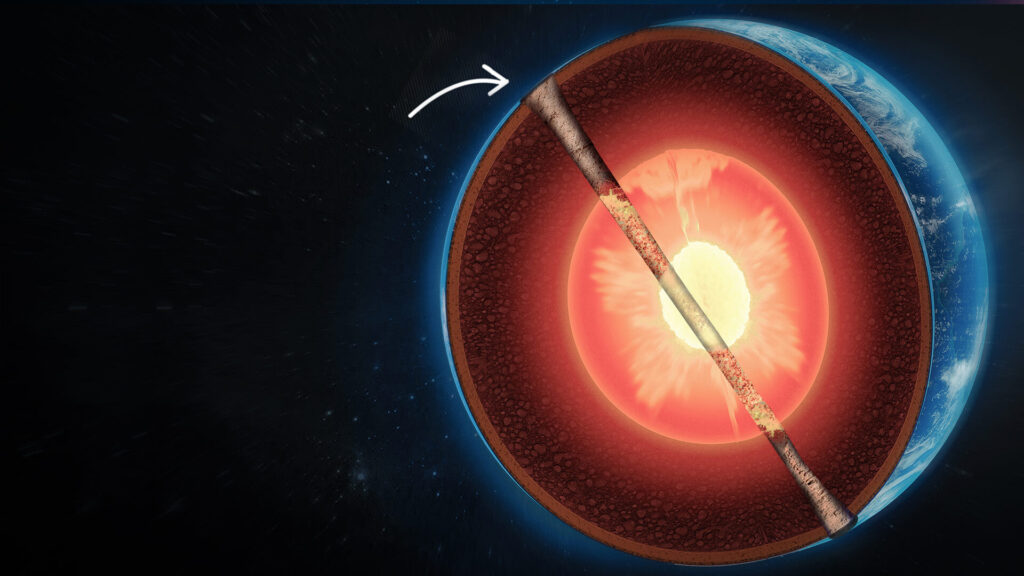
Earth has one of the most well-understood interiors in the solar system. Its outer crust is thin compared to the massive mantle beneath, which slowly churns and drives plate tectonics. Below that lies a molten outer core of iron and nickel, generating Earth’s magnetic field through constant motion. At the very center is a solid inner core, incredibly hot but compressed by immense pressure. This layered structure protects life by shielding the planet from harmful solar radiation. Earth’s dynamic interior is what makes it uniquely habitable.
Mars
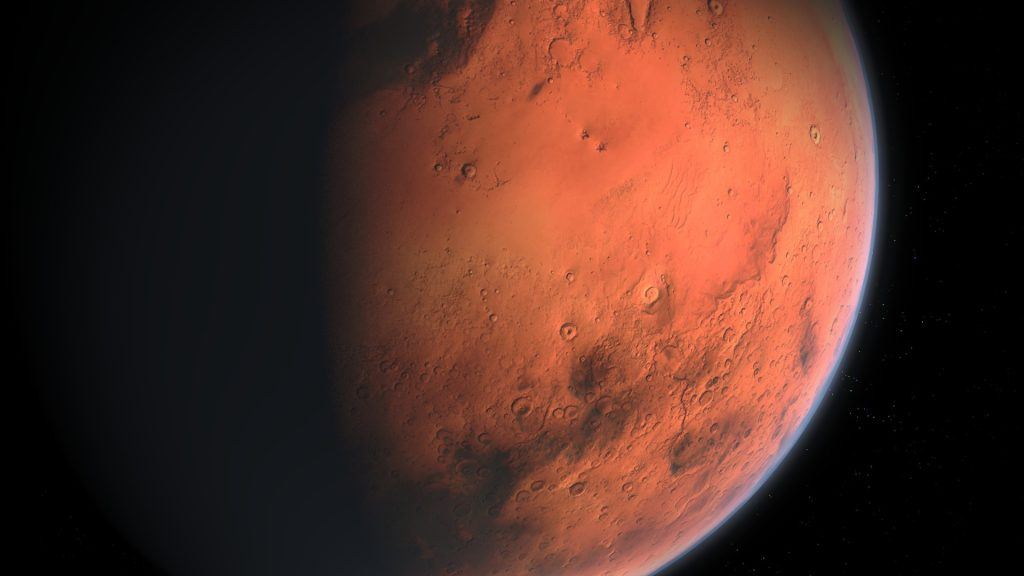
Mars is a cold, dusty world with a surprisingly complex interior. Beneath its surface lies a thick crust and a dense mantle rich in iron. At its center is a large, molten core made of iron, nickel, and lighter elements like sulfur. Mars once had a magnetic field, but as its core cooled and slowed, that field disappeared. Without protection, much of its atmosphere was stripped away by solar winds. Today, Mars is a silent reminder of what happens when a planet’s interior loses its energy.
Jupiter
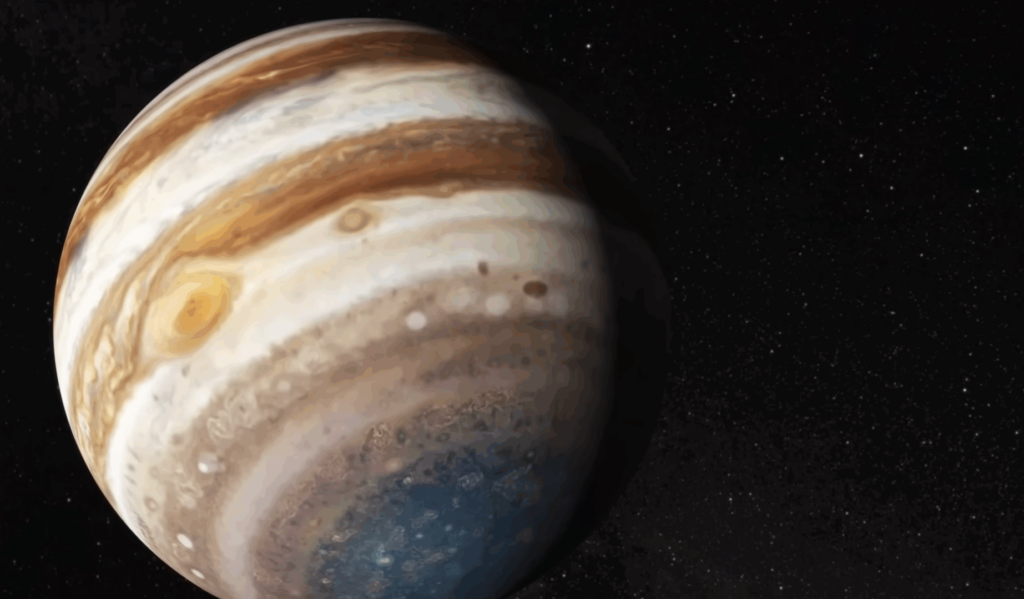
Jupiter is a gas giant with no solid surface to stand on. Its outer layers are made of swirling clouds of hydrogen and helium, which become denser with depth. Eventually, the pressure turns hydrogen into a liquid, and even deeper into metallic hydrogen that conducts electricity. This layer generates Jupiter’s massive magnetic field, the strongest in the solar system. At its center lies a “fuzzy” core made of mixed rock, ice, and metal, without a clear boundary. Jupiter’s interior blurs the line between gas and solid.
Saturn
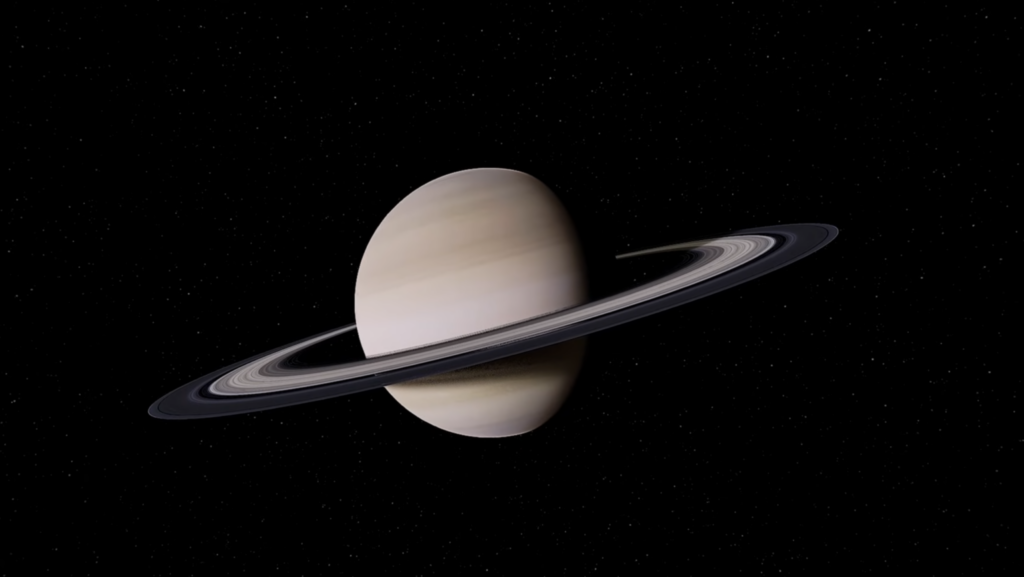
Saturn shares many similarities with Jupiter but has its own unique structure. Its outer layers consist of hydrogen and helium, transitioning into liquid and then metallic hydrogen under pressure. This creates a powerful magnetic field, though weaker than Jupiter’s. Deep inside, Saturn likely has a dense core made of rock, ice, and metals. The boundary between layers is not clearly defined, giving it a somewhat “blurry” internal structure. Despite its soft appearance, Saturn’s interior is incredibly extreme and unforgiving.
Uranus
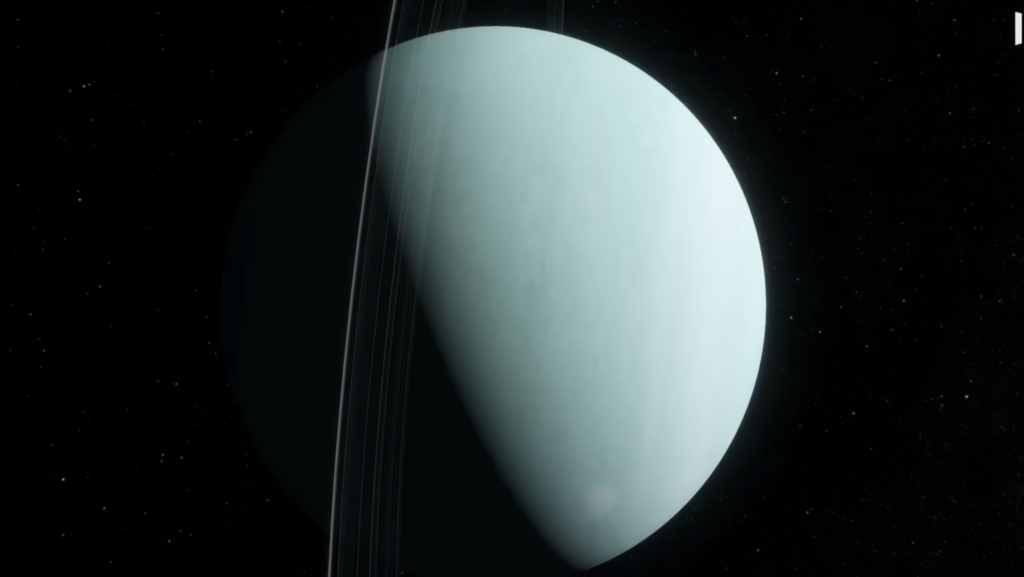
Uranus is an ice giant with a very different composition from gas giants. Most of its interior is made of water, ammonia, and methane in a superheated, high-pressure fluid state. Beneath its atmosphere, these materials swirl around a small rocky core. Extreme pressure may even form diamonds that rain down through its interior. Uranus has an unusual magnetic field, tilted and offset from its center. Much about its interior remains a mystery due to limited exploration.
Neptune
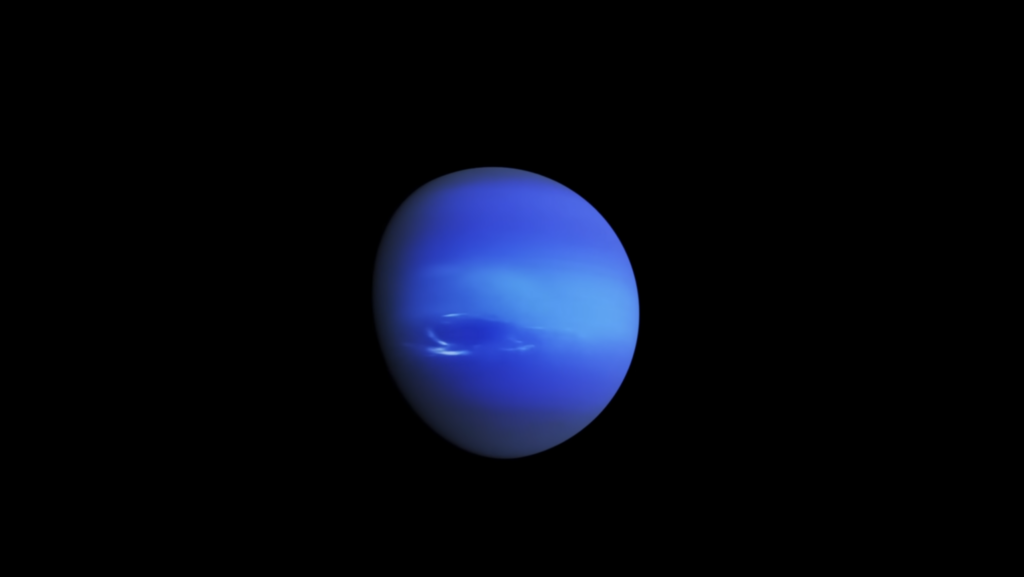
Neptune is similar to Uranus but more dynamic and extreme. Its interior is dominated by a hot, dense mixture of water, ammonia, and methane under immense pressure. This creates a superheated ocean-like layer deep within the planet. At its center lies a rocky core roughly the size of Earth. Neptune’s intense pressure and temperature may also produce diamond rain. Despite being so far from the Sun, its interior remains surprisingly active and energetic.