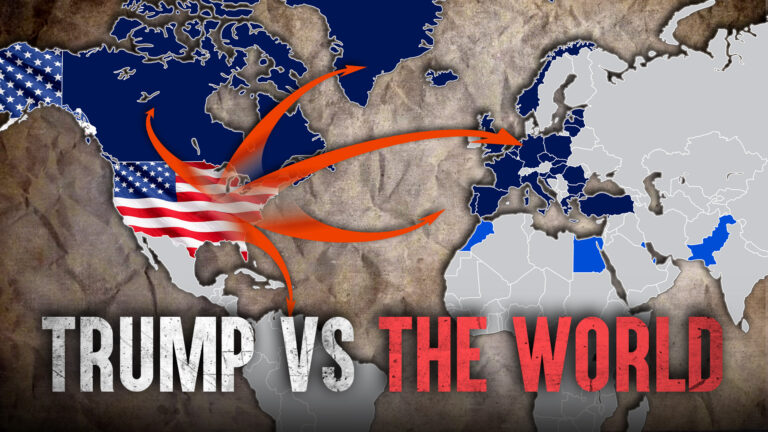
What if a single decision shattered the world’s most powerful alliance overnight?
Built on real-world data and analyzed through AI, this explores a worst-case chain reaction: the United States takes Greenland by force, and the global order begins to unravel.
This isn’t a prediction. It’s a look at how quickly everything can spiral when trust between nations breaks.
Phase 1: The Shattered Promise (January – March 2027)
Talk of the U.S. taking Greenland sparks memes, jokes, and viral debates. “Greenland isn’t for sale” trends across social media. Late-night shows turn it into comedy.
But then the tone shifts.
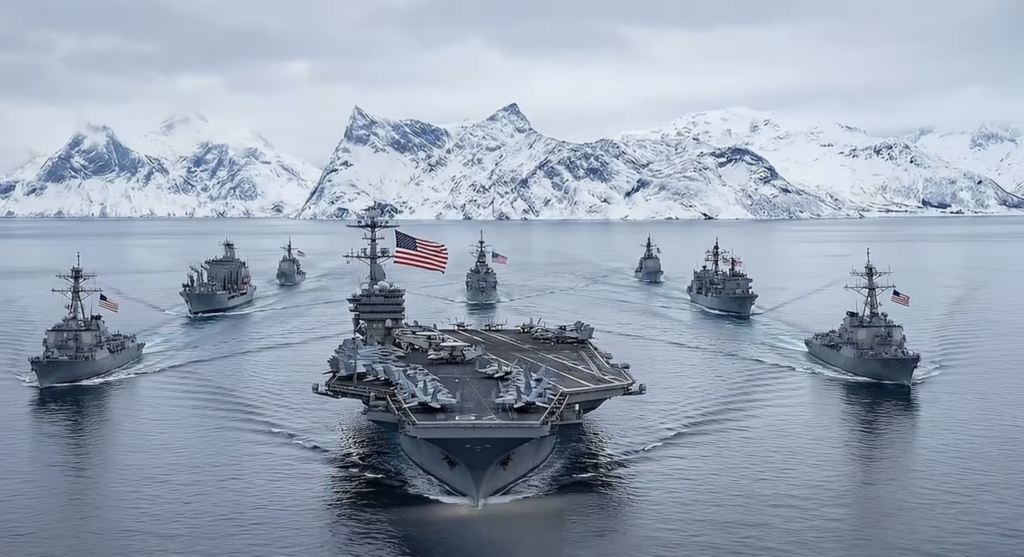
The U.S. government frames Greenland as essential for national and global security. With its strategic Arctic position and existing military presence, the island becomes more than territory, it becomes a priority. Then comes the breaking point.
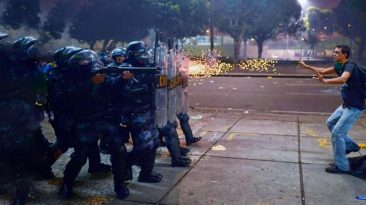
Instead of coordinating with allies, the U.S. acts alone imposing tariffs on Europe and moving to secure Greenland’s ports. Denmark, which governs Greenland, calls for an emergency response. But something unprecedented happens.
The U.S. refuses to cooperate.
In that moment, NATO, an alliance built on mutual defense, fractures. Not with explosions, but with silence. For decades, NATO functioned like a pact: if one member was attacked, all would respond. Now, that promise is gone.
And the consequences are immediate.
-Europe turns against the U.S.
-Canada backs Denmark
-Global trust collapses
Meanwhile, life on the ground in Greenland changes overnight. Supply chains slow, checkpoints appear, and uncertainty spreads among local communities.
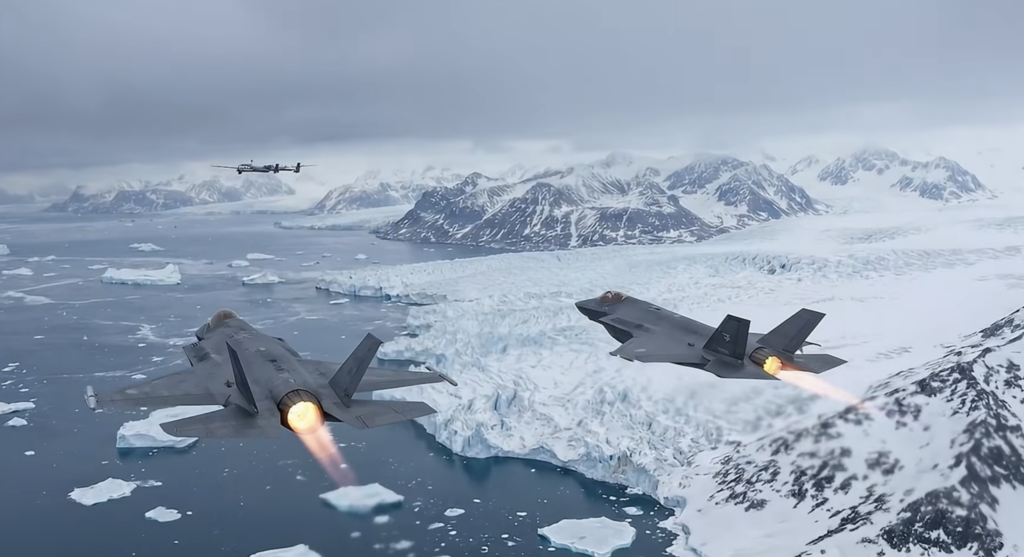
Then comes the first flashpoint.
A European drone crosses into restricted airspace. U.S. fighters intercept it. No missiles are fired, but the message is clear: the line has been drawn. At the same time, Russia tests the new reality by moving into a border city in Estonia. Without a unified NATO response, the signal to the world is unmistakable:
The old security guarantees are gone.
Phase 2: The Blockade of Shadows (April – June 2027)
By spring, the split is official.
Europe forms a new coalition, one that excludes the United States. Ports close to American ships. Military cooperation ends. The impact is immediate and severe.
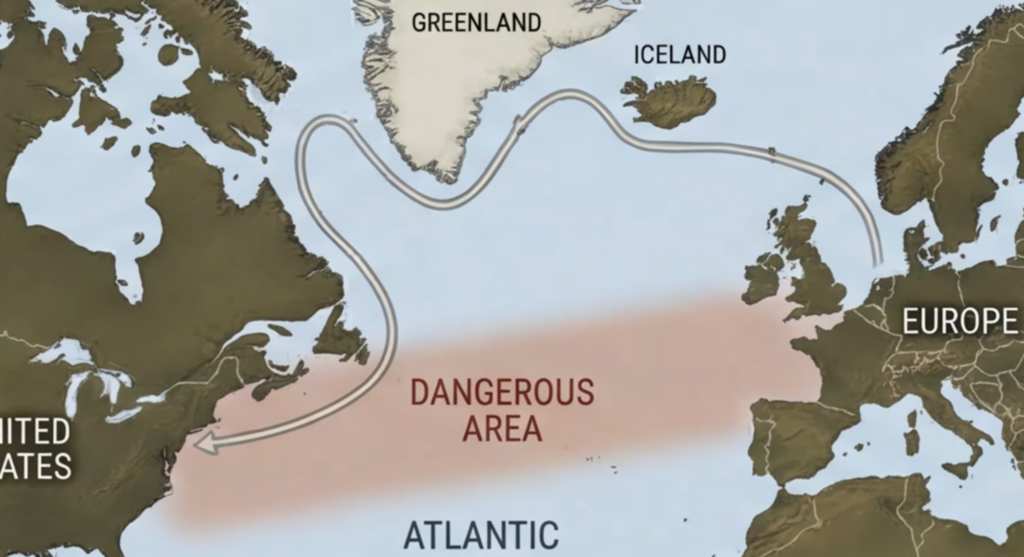
For decades, U.S. power depended on global access – bases, ports, and alliances. Now those doors are shut. Aircraft carriers are left without resupply points. Trade routes become longer, slower, and more expensive. This is where the real damage begins.
Not with bombs, but with pressure.
-Shipping delays
-Trade disruptions
-Rising fuel costs
Gas prices surge. Supply chains falter. Everyday goods become harder to find. Then comes the invisible battlefield: information.
Rival powers launch massive digital campaigns, flooding social media with fake videos, panic-inducing rumors, and misinformation. The goal isn’t to destroy infrastructure, it’s to destroy trust. And it works.
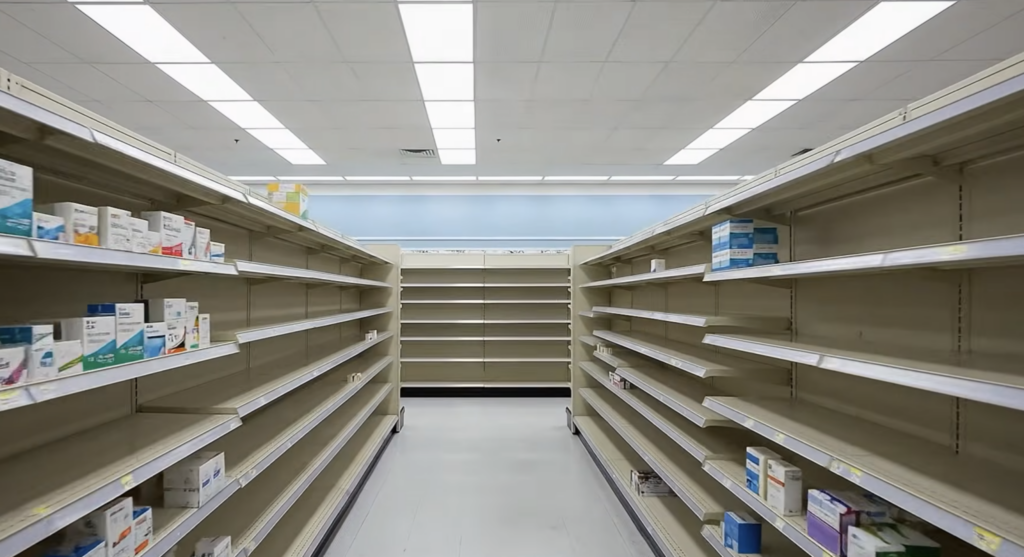
At home, the effects hit hard:
-Pharmacies report shortages of critical medicines
-Fuel prices skyrocket
-Everyday life becomes unpredictable
-The system isn’t broken,it’s jammed.
Phase 3: The Industrial Grind (July – September 2027)
By summer, both sides realize this won’t be a quick conflict. It becomes a war of production. The U.S. relies on advanced, expensive weapons that take time to manufacture. Europe shifts to mass production – cheap drones, artillery, and scalable systems.
Quantity begins to challenge quality. But the real danger isn’t on the battlefield, it’s in the systems people depend on daily. Cyberattacks escalate. Power grids fail. Water systems are disrupted. Hospitals lose access to critical networks.
Then something even more fragile begins to break! The internet itself.
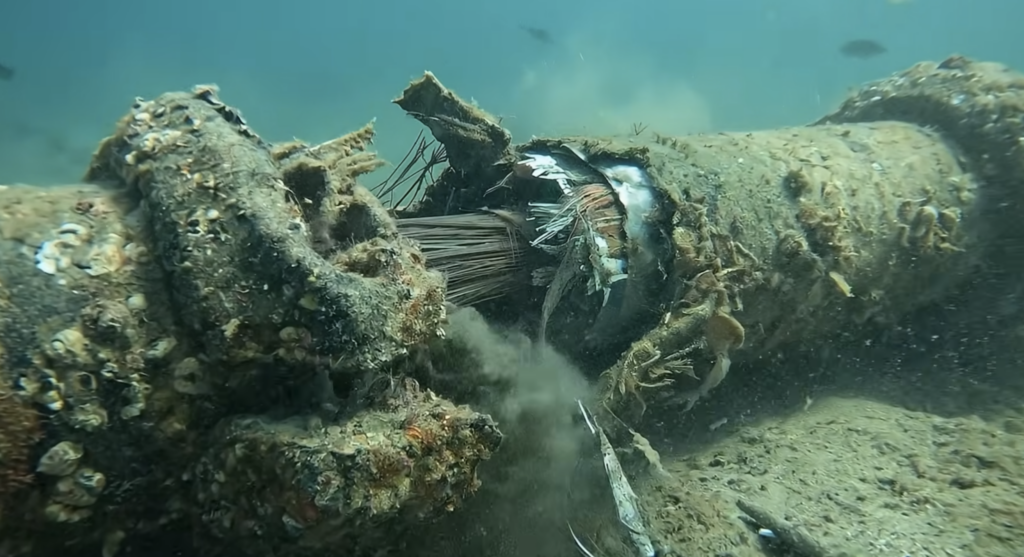
Undersea cables, the backbone of global communication, are disrupted. Payments fail. Calls drop. Logistics systems stop working. And when systems stop communicating, supply chains collapse completely. This is where the human cost rises sharply.
Not from direct conflict, but from absence:
-No electricity
-No clean water
-No medical access
Hospitals struggle to operate. Basic infections become deadly. Entire regions face systemic failure. Then comes the most dangerous moment. A false signal, caused by heavy electronic interference, appears to show a nuclear launch. For a few minutes, the world stands on the edge.
Disaster is avoided only because someone hesitates. It’s a reminder of how close human history has come to ending before, and how fragile that line still is.
Phase 4: The Frozen World (October – December 2027)
After months of escalation, both sides pull back, not out of victory, but out of exhaustion. The result isn’t peace. It’s a stalemate.
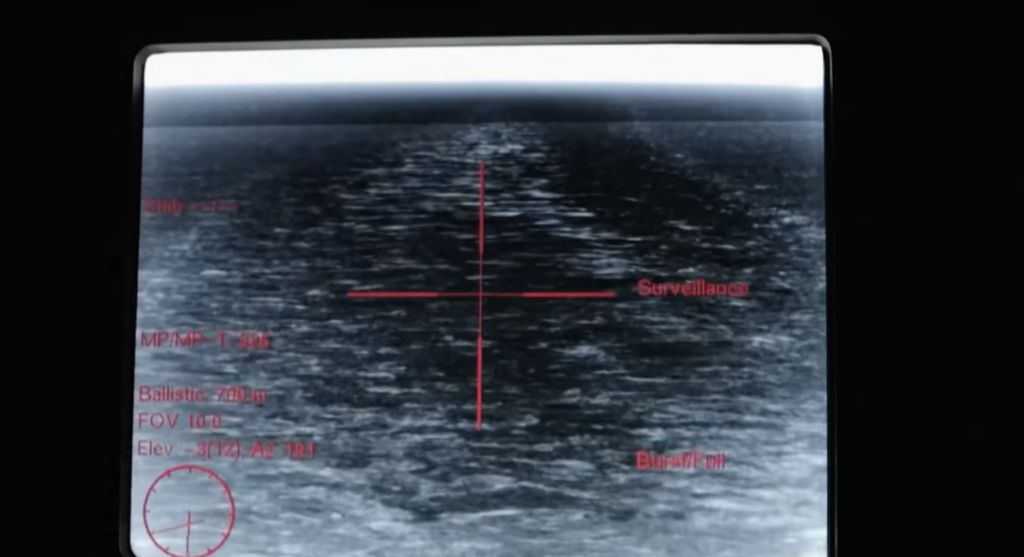
A “frozen world” emerges, where tensions remain high but direct conflict stops. The Atlantic becomes a monitored boundary, filled with surveillance and suspicion.
Global consequences settle in:
-Millions affected by system failures
-Economies reshaped
-Alliances permanently altered
-Meanwhile, other powers step into the vacuum.
Trade routes shift. Influence changes hands. Regions once protected by global agreements become vulnerable. The world order doesn’t just crack, it reorganizes.
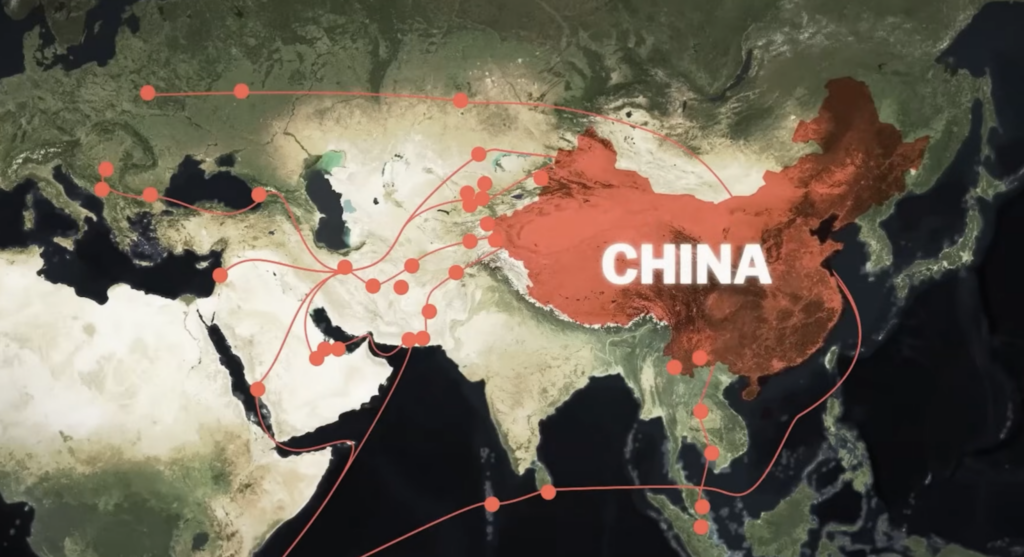
The New Reality
In this scenario, the biggest lesson isn’t about military strength. It’s about systems. Modern life depends on fragile, interconnected networks, supply chains, digital infrastructure, alliances. When those systems fail, the consequences reach every home.
The biggest risks aren’t always explosions.
Sometimes, they’re delays. Glitches. Silence.