Venus, Earth’s closest planetary neighbor, is one of the most extreme and hostile environments in the Solar System. Its surface is scorched by intense heat, blanketed in toxic clouds, and crushed by immense atmospheric pressure, making human settlement seem like pure science fiction. Yet surprisingly, some scientists argue that it could, in certain ways, offer more promising conditions for colonization than Mars.
But how is that even possible, and what would it actually take for humans to survive, or even thrive, on this scorching world?
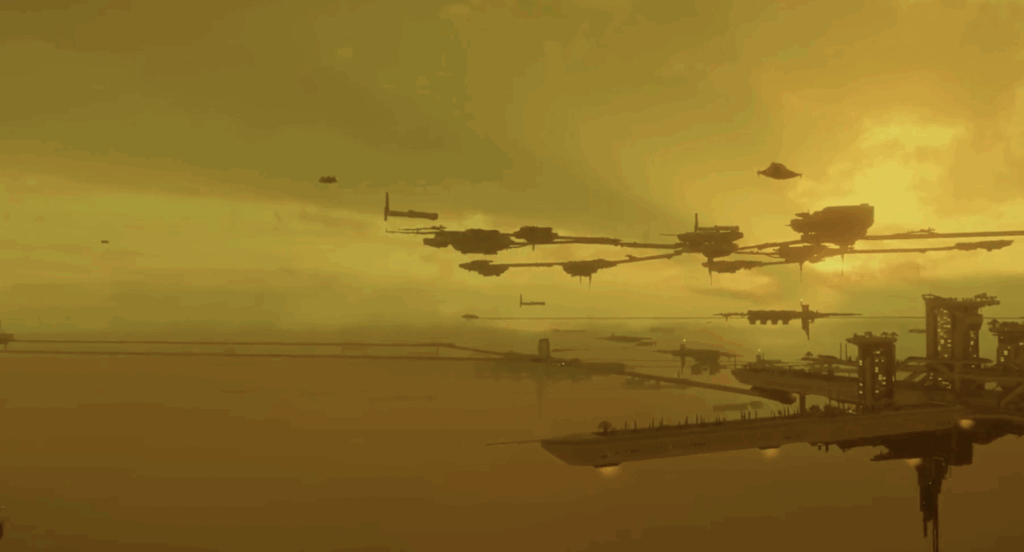
Let’s break down what the first 10,000 days of populating Venus might actually look like.
Day 1: The Robotic Phase Begins
Before humans could ever approach Venus, we would first need a large number of robotic missions to explore the planet in detail. These spacecraft would help scientists better understand its extreme surface conditions, thick atmosphere, and chemical composition. Previous missions like NASA’s Magellan and the Soviet Union’s Venera probes have already provided important data and rare images from the surface.
However, despite these early efforts, it has been over thirty years since the United States last launched a dedicated mission to Venus. Because of this gap, modern exploration is essential before any serious plans for human exploration or colonization can even be considered.
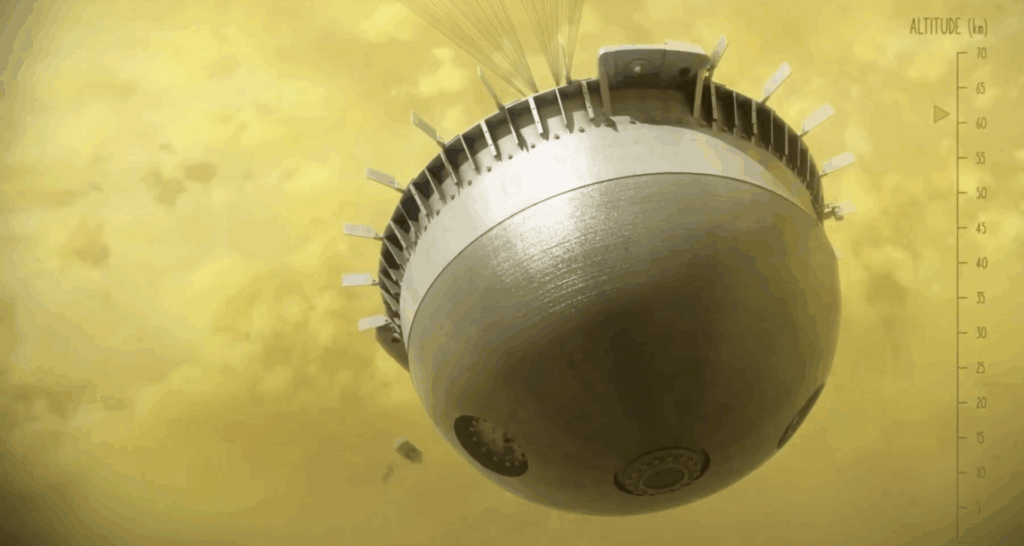
New satellite projects in the 2020s and 2030s aim to fill in the gaps, collecting vital data on atmospheric chemistry, pressure, and terrain. As Noam Izenberg from NASA’s Venus Exploration Analysis Group points out, the only way to truly plan a colonization effort is by expanding our knowledge base, something we are only just beginning to do again.
Day 500: First (Fatal) Human Attempts
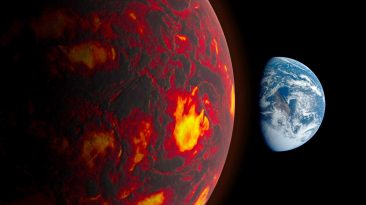
Imagine astronauts attempting to land and explore the surface of Venus. The outcome would be extremely harsh and likely fatal. Surface temperatures on Venus reach about 467 degrees Celsius (872 degrees Fahrenheit), hot enough to melt lead. On top of that, the atmosphere is nearly 90 times denser than Earth’s. Under such conditions, even the most advanced spacecraft or space suits would quickly fail.
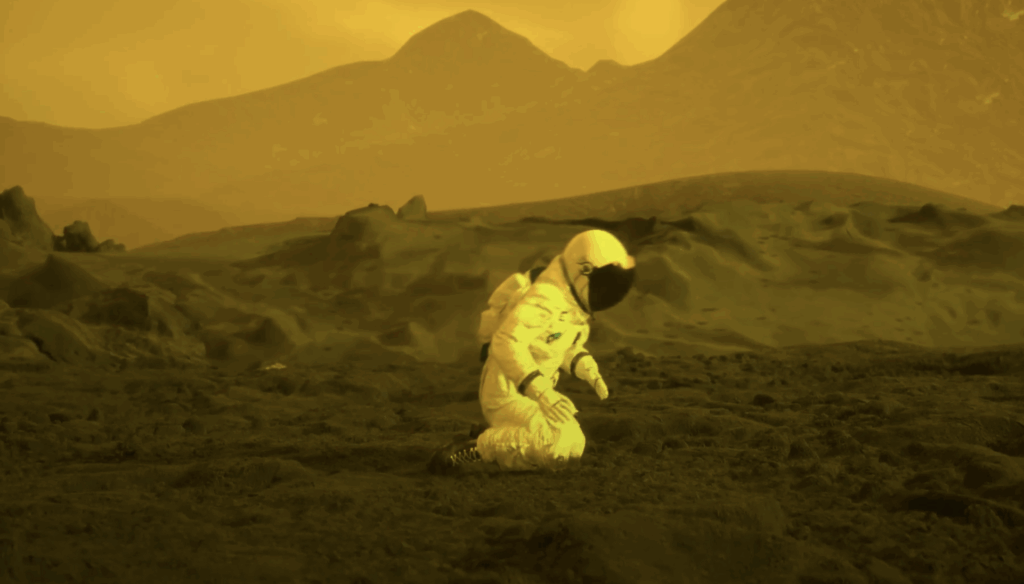
As Izenberg explains, it’s not a matter if you would die on the surface of Venus, but how. Would it be the heat? The pressure? The acidic clouds? The answer is all of the above.
Day 1,000: Terraforming Trials
Let’s assume we give up on settling the surface and instead attempt terraforming Venus. In theory, specially engineered microorganisms could be released to help absorb and break down the planet’s dense carbon dioxide atmosphere.
At the same time, enormous orbital solar shades might be placed in space to reduce the amount of sunlight reaching the planet and gradually lower its extreme temperatures. Together, these methods could, in principle, begin to reshape Venus into a more habitable world. However, the concept remains highly ambitious and is still very much in the realm of science fiction.
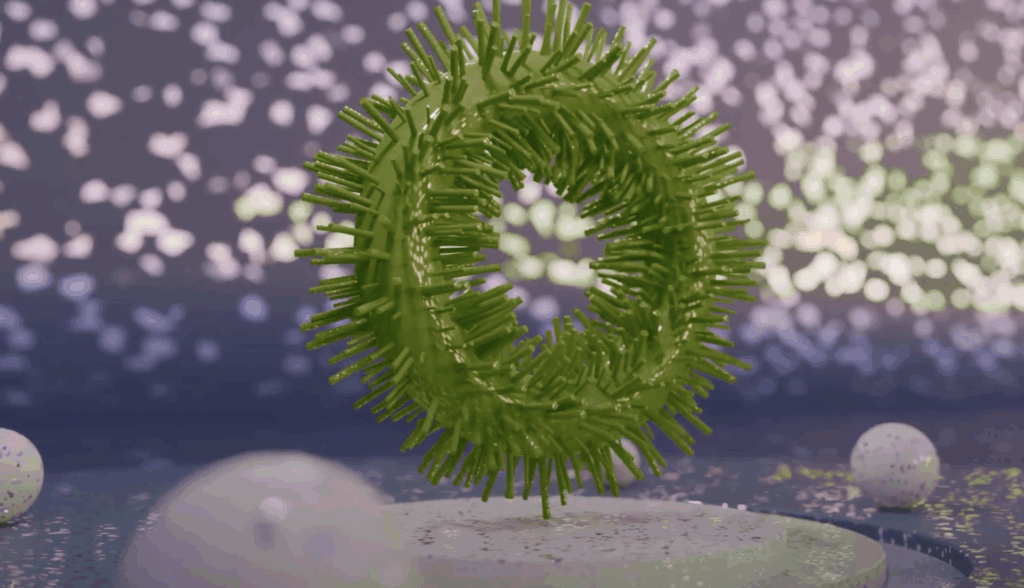
And for now, that’s where it belongs. As Izenberg bluntly states, “We don’t have the technology, the resources, or even the faintest idea of how to make Venus Earth-like.” If we could terraform a planet, we’d likely start with fixing Earth first.
Day 2,500: Building Cities in the Clouds
If the surface of Venus is completely uninhabitable, then where could humans potentially live instead? The answer may lie high above the planet, around 50 kilometers (31 miles) in its atmosphere. At this altitude, conditions become surprisingly Earth like, with temperatures ranging from about 20 to 30 degrees Celsius. The atmospheric pressure is also similar to what we experience at sea level on Earth. Because of this, this region is often considered the most promising place for future human habitats on Venus.
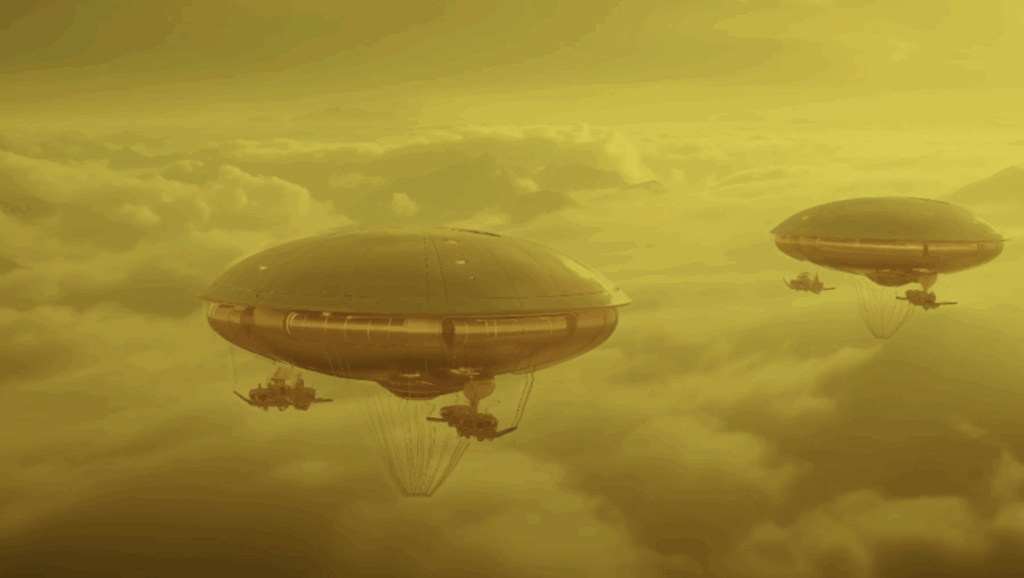
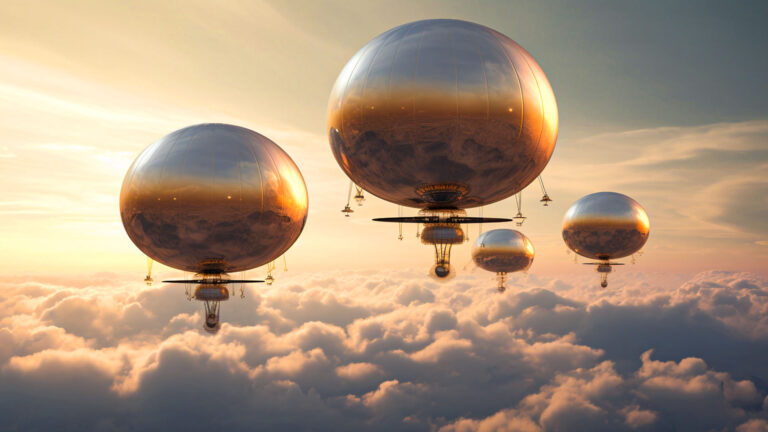
Enter the concept of cloud cities, floating habitats made from durable materials like Teflon and Kevlar. These massive blimps or platforms could house people, labs, and greenhouses, all connected by bridges and shielded from solar radiation by the thick Venusian atmosphere.
In this layer, it might actually feel like a warm spring day. That is, if you stay inside.
Day 5,000: Life in the Sky
After six years of living in cloud cities, humanity would be fully focused on keeping these habitats functioning. This would involve maintaining solar powered systems to provide energy, operating hydroponic setups to grow food, and recycling both water and air to support daily life.
At the same time, residents would need to carefully protect their habitats from the planet’s corrosive sulfuric acid clouds. Continuous maintenance and monitoring would be essential just to ensure survival in such a harsh environment.
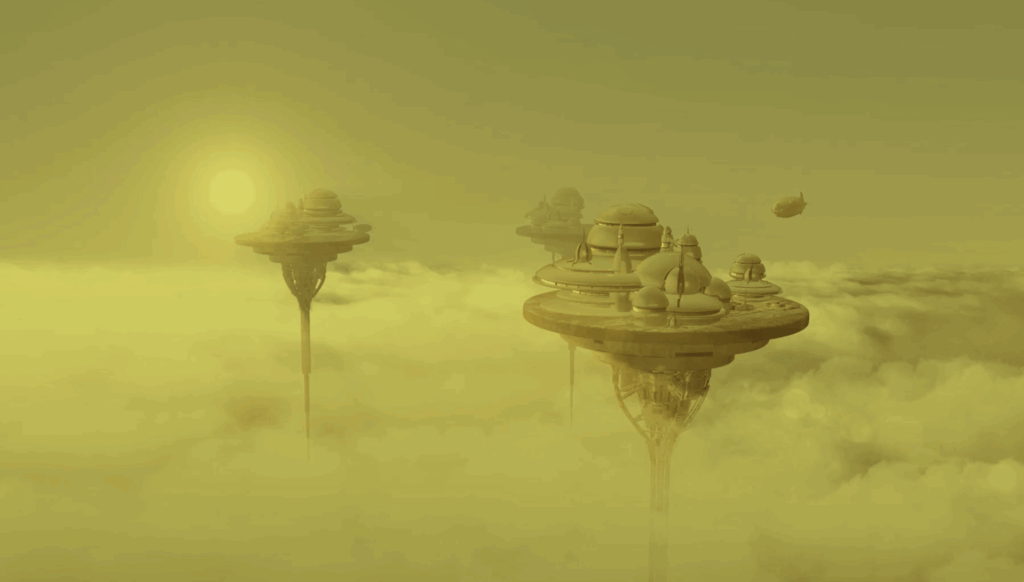
Not all areas in the upper atmosphere are hazardous, but the wrong location could expose you to acid that would burn through most conventional materials. Only high-grade materials like Kevlar could offer real protection.
Even then, the lifestyle would be intense. Days would be filled with maintenance, survival planning, and scientific research.
Day 10,000: A New Generation, But a Fading Dream
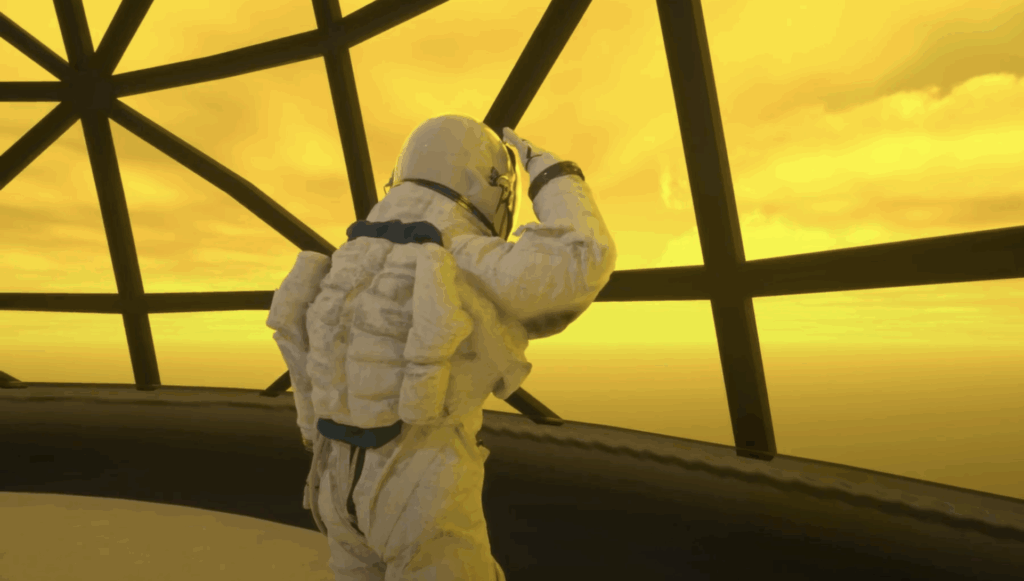
While Venus’ upper atmosphere may be more survivable than its surface, long-term habitation would be isolating and monotonous. Over time, the dream of colonizing Venus might start to feel less like pioneering and more like confinement.
Is Populating Venus Worth It?
Despite the theoretical possibilities, Izenberg is clear that permanent habitation of Venus is unlikely and probably unwise. The risks are simply too extreme, and the day to day living conditions would be relentlessly demanding. Even in floating habitats, humans would still be exposed to a harsh and unstable environment that pushes technology and biology to their limits. Over time, the psychological strain and constant maintenance required would make long term settlement extremely difficult to sustain.
However, this does not mean humanity should abandon the dream of becoming an interplanetary species. Venus could still serve as a valuable testing ground for advanced space habitats and life support systems. The technologies developed there might one day be applied to more suitable worlds. In that sense, exploring Venus could be a stepping stone rather than a final destination.