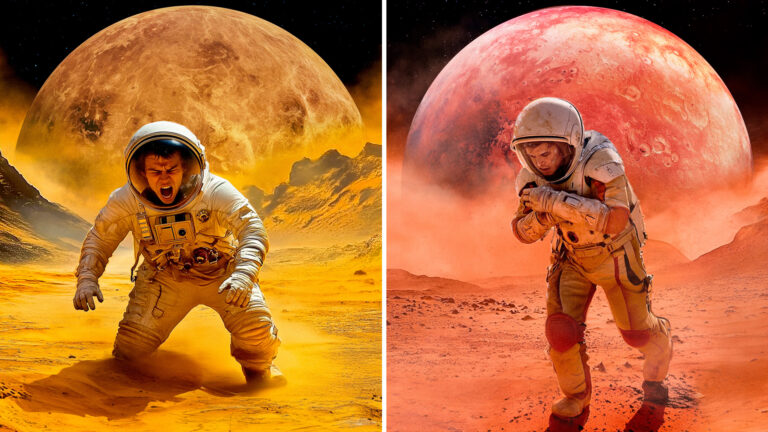
When people imagine humanity’s future beyond Earth, Mars is usually the first destination that comes to mind. It is close, familiar in some ways, and has been studied for decades. But surprisingly, Venus is beginning to reenter the conversation as a serious alternative. Despite its reputation as the most hostile planet in the Solar System, Venus may actually offer certain advantages that Mars cannot match.
So which world truly gives humanity the better shot at becoming an interplanetary species? The answer is more complicated than it first appears.
Understanding the Two Worlds
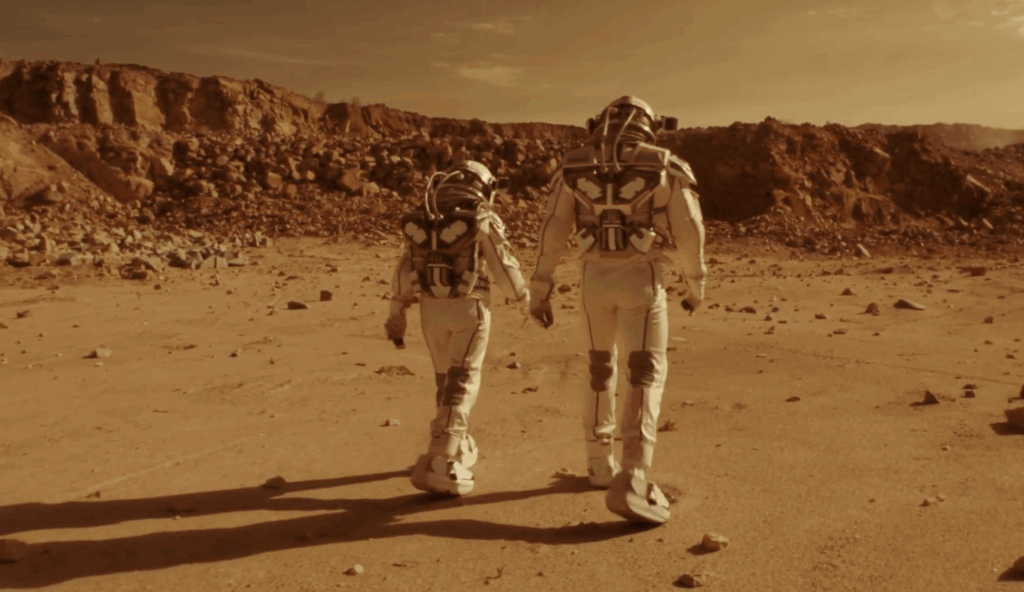
Mars has been the focus of human exploration planning for more than sixty years. Robotic missions have mapped its surface in detail, and agencies like NASA continue to aim for human landings, potentially in the 2030s. It is cold, dry, and familiar in structure, often described as the most Earth like planet in terms of surface conditions.
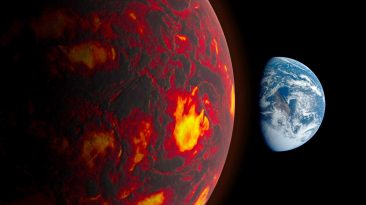
Venus, on the other hand, is infamous for being a planetary furnace. Surface temperatures are hot enough to melt lead, and atmospheric pressure is crushing. At first glance, it seems completely unsuitable for human life. However, a surprising detail changes the discussion.
About 50 kilometers above Venus’ surface, conditions become far more Earth like. Temperatures are milder, pressure is closer to what humans can tolerate, and gravity is about 90 percent of Earth’s. On Mars, gravity is only around 38 percent of Earth’s, which could create long term health challenges.
This contrast sets up an unusual debate. Mars is easier to stand on, but Venus might be easier to live above.
Living Space and Habitat Design
On Mars, the biggest challenge is survival on the surface. The atmosphere is made up of about 96 percent carbon dioxide, meaning humans would need sealed habitats with oxygen systems. Radiation is another major concern due to the planet’s thin atmosphere and lack of a strong magnetic field.
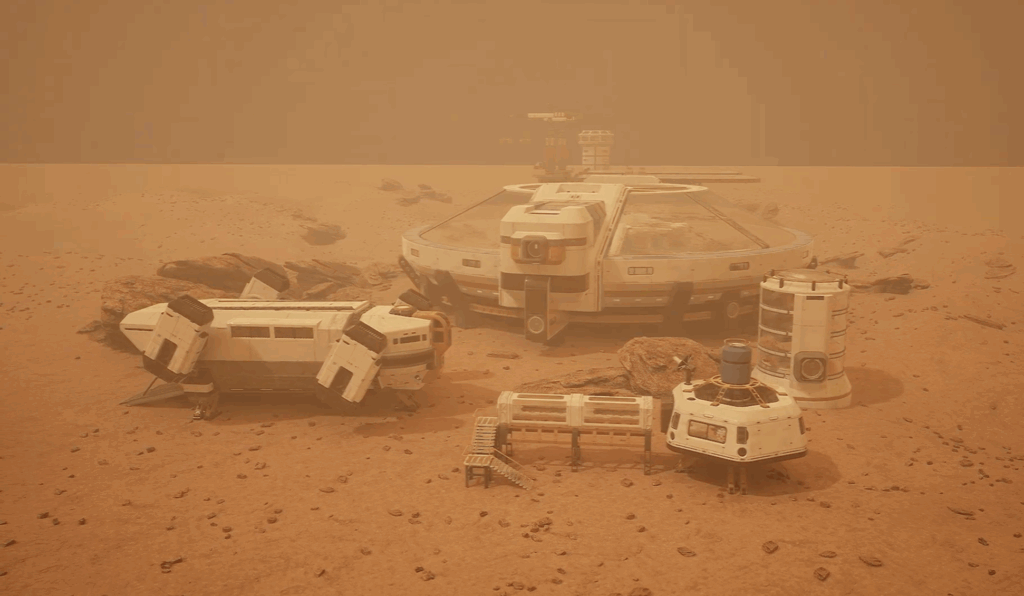
To solve this, scientists have proposed concepts like 3D printed habitats built from Martian materials. One example is a design similar to MARSHA, a multi level structure created from local rock based composites. These habitats would include living quarters, work areas, and storage spaces, all carefully sealed from the harsh environment.
Even with these ideas, Martian living would feel restrictive. Low gravity could alter movement and muscle strength, and life would likely take place underground or inside heavily shielded structures.
Venus requires a completely different approach. Since its surface is completely uninhabitable, colonies would not be built on the ground at all. Instead, they would float in the upper atmosphere. NASA has explored this idea through concepts such as the High Altitude Venus Operational Concept, which envisions large airship like habitats suspended in the planet’s calmer atmospheric layer.
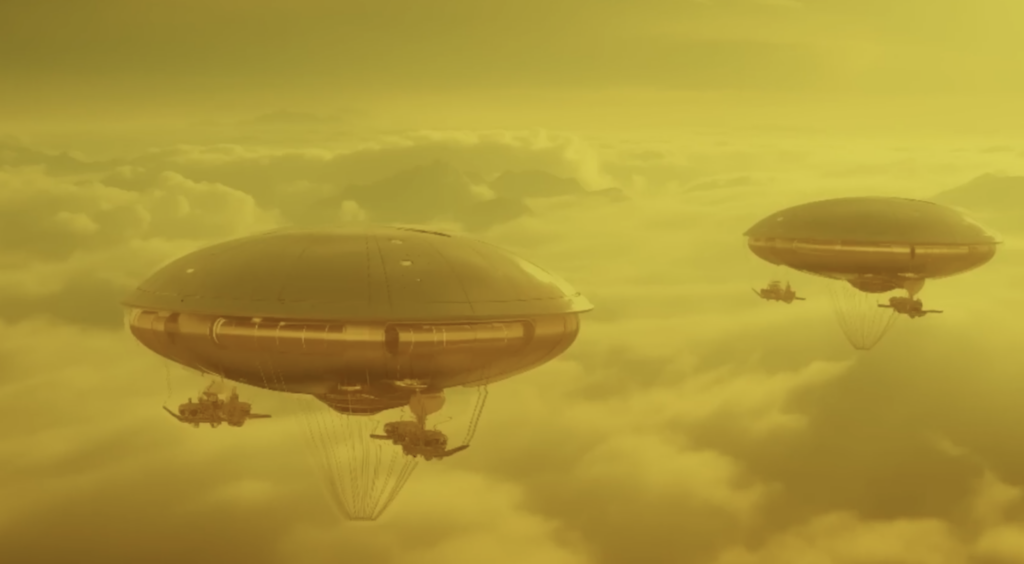
At that altitude, humans could experience Earth like temperatures with climate control systems. The main challenge would be dealing with sulfuric acid in the clouds, which would require highly resistant materials and constant maintenance. Construction would likely rely on metals such as titanium, aluminum, and nickel.
Mars currently has the advantage here because habitat designs are more developed and closer to practical testing.
Food and Survival Systems
Food production is one of the most important challenges for any colony.
Mars offers at least one major advantage: water ice. This could be extracted and used to grow crops in controlled greenhouse environments. Plants could potentially be grown in soil like substitutes, although they would likely need genetic modification to survive radiation, low pressure, and limited nutrients. Early colonies would probably rely heavily on packaged and preserved Earth foods.
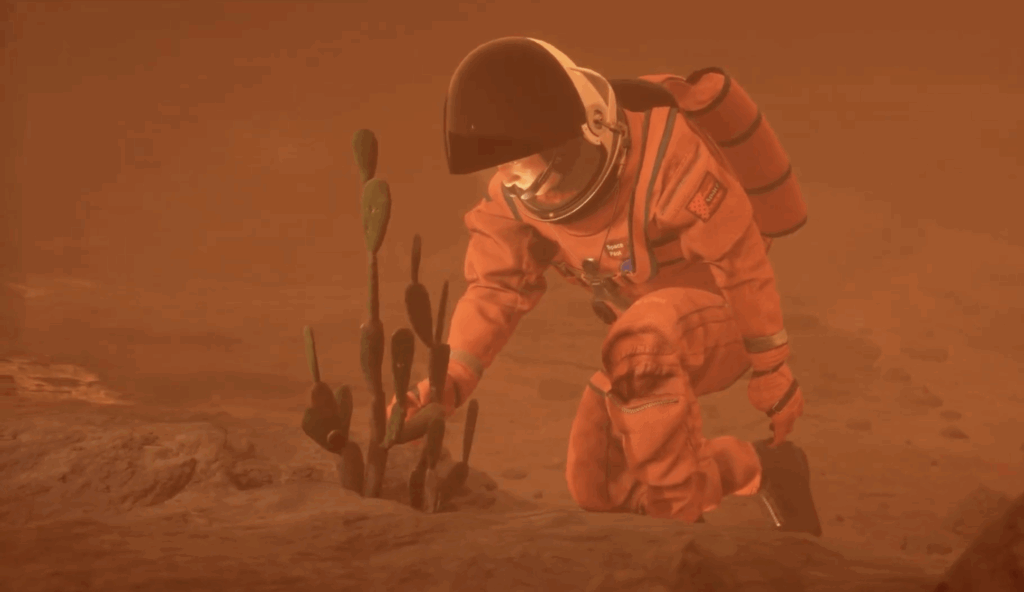
Venus presents a more complicated situation. There is no accessible liquid water on the planet’s surface or in its atmosphere in usable quantities. Any colony would need to manufacture water chemically by combining hydrogen and oxygen. This is possible in theory but extremely demanding at scale.
However, Venus has one surprising benefit. Its upper atmosphere has more stable temperatures, which could make controlled agriculture easier once water production is solved. If that hurdle is overcome, Venus may actually become more efficient for long term food production.
At this stage, Venus slightly edges out Mars in potential, but only under advanced technological assumptions.
Resources and Energy Potential
Both planets contain valuable materials that could support human industry.
Mars is rich in iron, nickel, and sulfur, which could be used for construction and manufacturing. In theory, these resources could support a self sufficient economy over time. However, energy generation would rely heavily on solar power, which is weaker due to Mars’ distance from the Sun.
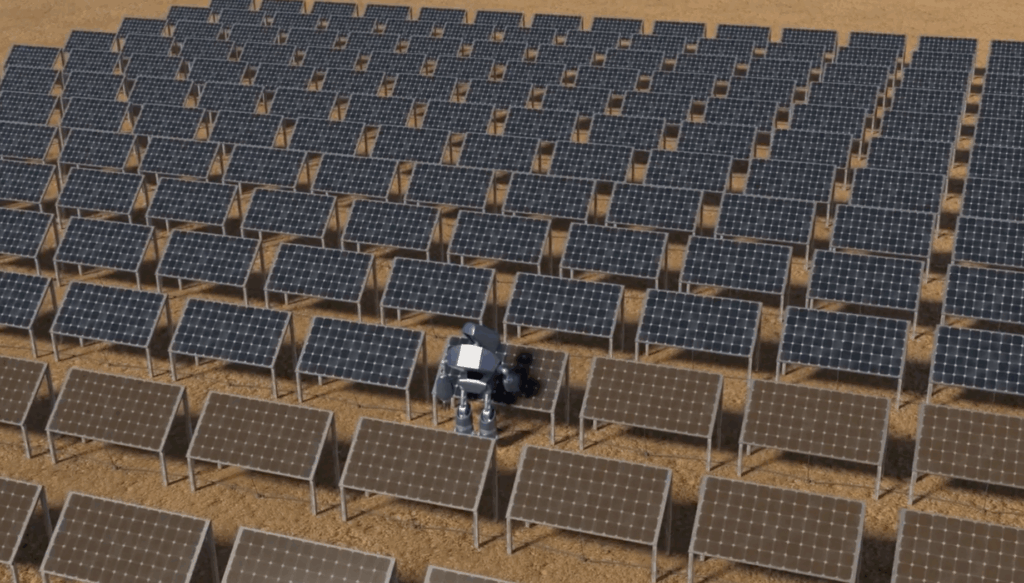
Venus, however, is much closer to the Sun, which creates a major advantage for solar energy production. Even in its upper atmosphere, sunlight is abundant and relatively consistent. The planet also contains useful materials such as titanium, aluminum, and silicon, which are essential for electronics and solar panel construction.
The main difficulty is access. Since the surface is so extreme, mining would require specialized robotic systems or atmospheric harvesting technologies.
In terms of energy and long term resource potential, Venus holds a clear advantage.
Long Term Viability
Mars is currently the frontrunner for human exploration. It has decades of research behind it, successful orbital and surface missions, and clear timelines for potential human landings. It is the more realistic near term goal.
Venus remains mostly theoretical. Floating habitats are an intriguing idea, but they have not yet been tested in practice at anything close to the required scale.
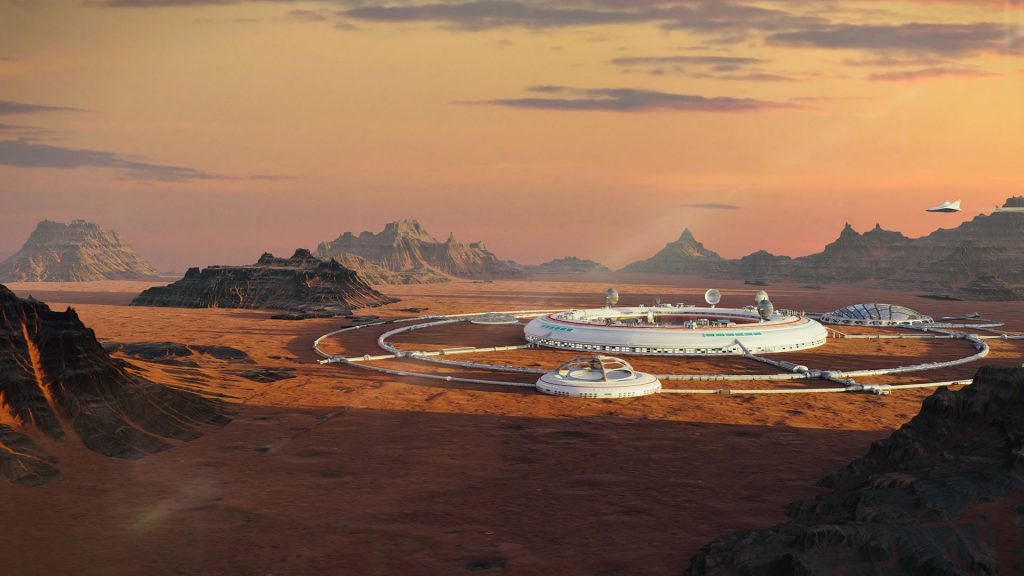
Over long time periods, both planets present challenges. Mars has a thin atmosphere and weak gravity, which could affect human health across generations. Venus offers Earth like gravity, but extreme environmental risks and its proximity to the Sun create long term uncertainties.
Even with future terraforming possibilities, Mars is generally seen as the more stable and achievable option for sustained colonization.
So Which Planet Wins?
Venus and Mars each offer a very different vision of humanity’s future in space. Mars is the practical choice, supported by research, missions, and achievable engineering. Venus is the ambitious one, a world that seems impossible at first but reveals surprising potential in its upper atmosphere.
In the end, Mars is likely where humanity will take its first real steps beyond Earth. But Venus may one day become something even more extraordinary, a floating world above a planet that once seemed completely uninhabitable.