Forty light years away from Earth, orbiting a small red dwarf star in the constellation Pisces, lies one of the most intriguing exoplanets discovered in recent years. Known as Gliese 12 b, this distant world has attracted attention because of its Earth like size and its location near the habitable zone of its star.
While it may look promising from afar, what would actually happen if humans attempted to land there?
The journey alone would be a monumental challenge. At a distance of roughly 40 light years, even our fastest spacecraft would require tens of thousands of years to reach the planet. But if advanced technology somehow allowed humanity to make the trip, Gliese 12 b would present a world unlike anything we have experienced.
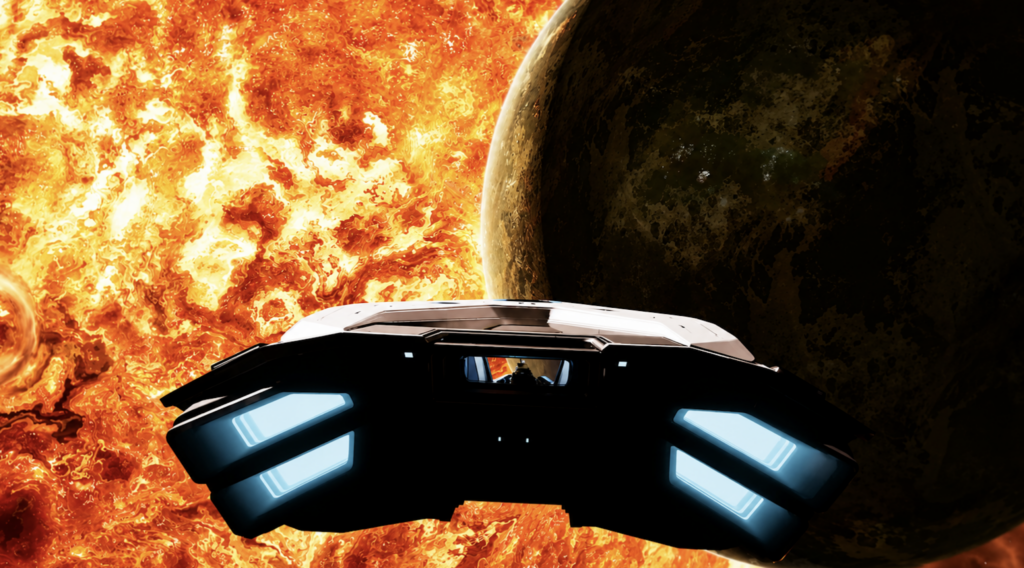
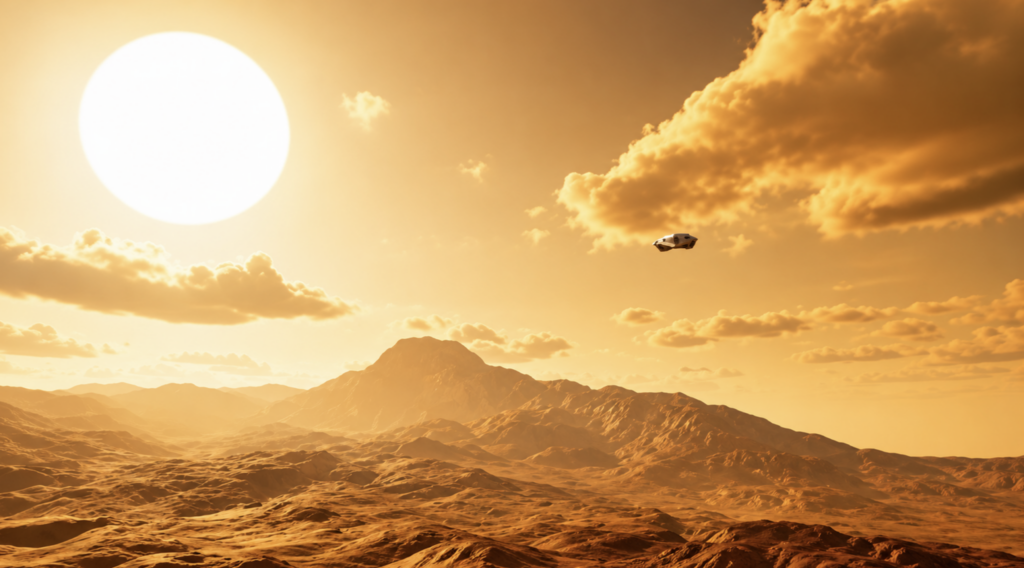
As the spacecraft descended through the atmosphere, astronauts would immediately notice the dim reddish light of the planet’s parent star. Red dwarfs are much cooler and smaller than our Sun, casting a deep orange glow across their planets. The landscape below would likely appear darker than Earth, illuminated by a perpetual crimson twilight.
The first challenge would come from gravity. Although Gliese 12 b is only slightly larger than Earth, estimates suggest it could be significantly more massive. Every step would feel heavier. Simple movements such as walking, climbing, or lifting equipment would require much more effort than they do on Earth. Astronauts would quickly tire as their muscles struggled against the stronger gravitational pull.
The next problem would be the atmosphere. Current observations suggest that Gliese 12 b may possess an atmosphere rich in carbon dioxide and nitrogen. For humans, this would be a deadly environment. Without oxygen, astronauts could not survive outside their protective suits. Any breach in life support systems would become an immediate emergency.
Temperatures on the planet could reach around 62 degrees Celsius, hot enough to create dangerous conditions for both humans and machinery. Working outdoors would be similar to standing inside a giant oven. Electronics would need advanced cooling systems, and astronauts would have to carefully manage their exposure to the heat. Prolonged activity could quickly lead to overheating.
Despite these harsh conditions, Gliese 12 b may not be entirely hostile. Unlike many of the hellish worlds discovered beyond our Solar System, this planet occupies a region where liquid water might exist under the right circumstances. If water is present, it could dramatically increase the chances that some form of life has developed there.
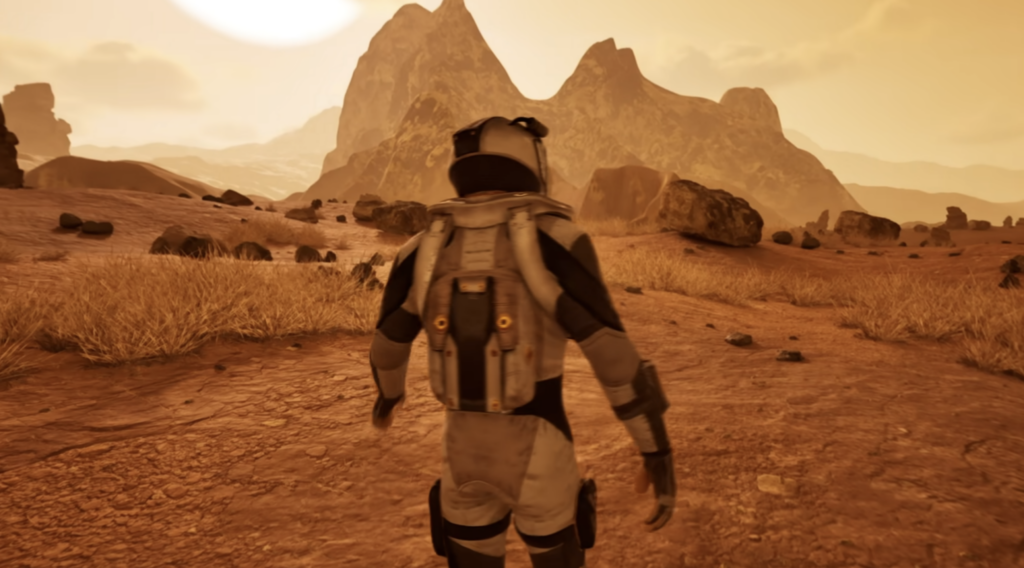
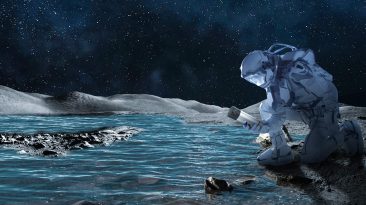
Imagine stepping onto the rocky surface and discovering signs that the planet is not completely barren. Microbial organisms could potentially survive in sheltered environments, drawing energy from chemical reactions or scarce water sources. More complex life remains purely speculative, but the possibility would make every exploration mission one of the most important scientific expeditions in human history.
The planet’s short year would create another unusual experience. Gliese 12 b completes one orbit around its star in just 12.8 Earth days. A resident living there would celebrate a birthday every two weeks by Earth standards. Seasons, if they exist at all, would be shaped by a completely different rhythm than those we know.
Long term colonization would be difficult. Humans would need sealed habitats, reliable life support systems, and protection from both the heat and the stronger gravity. Agriculture would have to be adapted to alien conditions, and every resource would need to be carefully managed. Building a permanent settlement would require technologies far beyond what we currently possess.
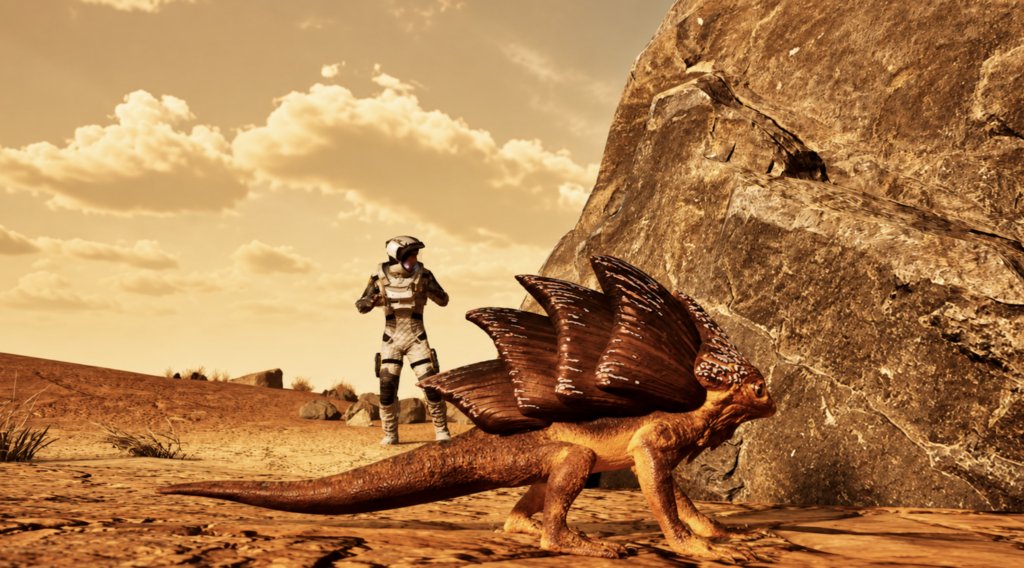
Yet Gliese 12 b remains fascinating precisely because it sits between two possibilities. It is not an obvious paradise, but neither is it a completely uninhabitable inferno. It represents the kind of world that may teach us the most about planetary evolution and the limits of life in the universe.
If humans ever attempted to land on Gliese 12 b, they would find a challenging and alien environment. They would walk beneath a red sun, struggle against powerful gravity, endure intense heat, and rely entirely on technology to stay alive. But they would also be exploring one of the most promising nearby worlds, a planet that could help answer one of humanity’s greatest questions: are we alone in the universe?
Gliese 12 b may never become a second Earth, but it stands as a reminder that the galaxy is filled with worlds waiting to be explored. Each one offers a new perspective on what a planet can be, and on how adaptable life might truly be.