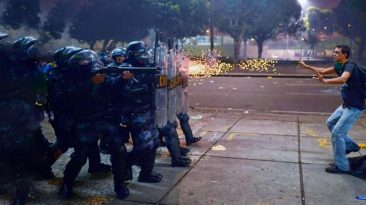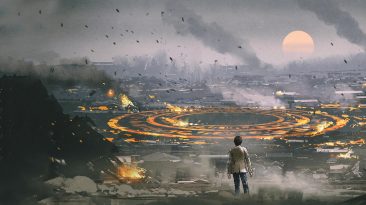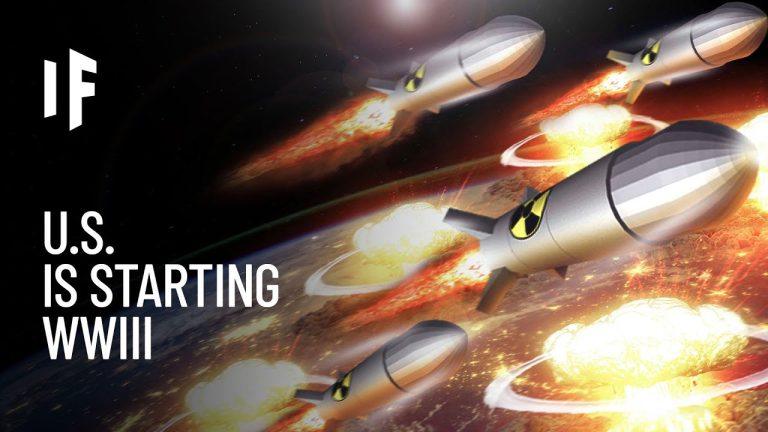
Unlike the world wars of the twentieth century, the next global conflict might not begin with soldiers crossing borders. It could start inside computer networks. A massive cyberattack targeting power grids, communication systems, or military infrastructure could trigger retaliation within hours. If diplomatic efforts failed, the United States and its rivals could find themselves locked in the largest military confrontation humanity has ever witnessed.
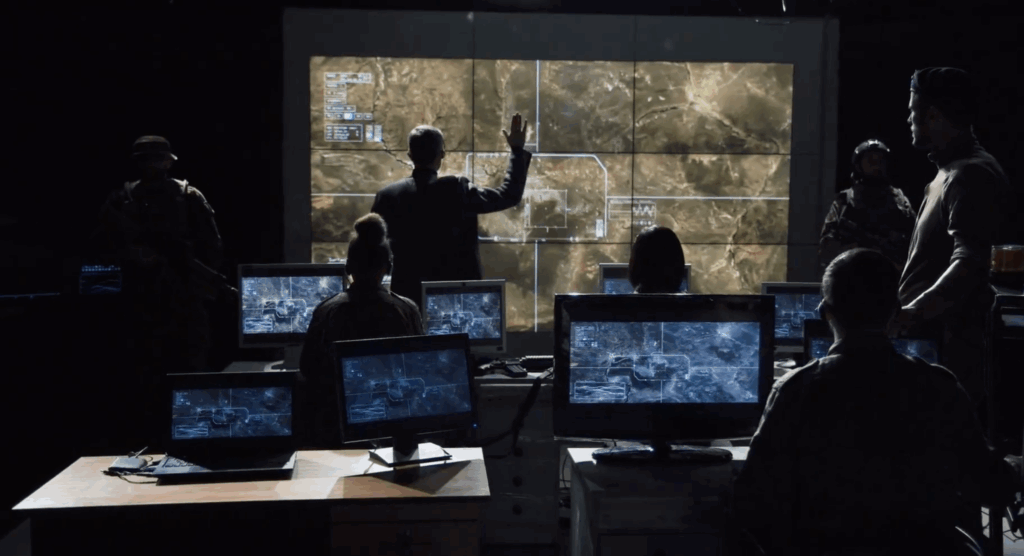
The Second World War claimed roughly 75 million lives and permanently changed the course of history. A future global war could unfold much faster because today’s militaries possess weapons capable of striking across continents in minutes. As strategic competition between the United States and China continues over trade, technology, and influence, military planners constantly prepare for scenarios that only decades ago belonged to science fiction.
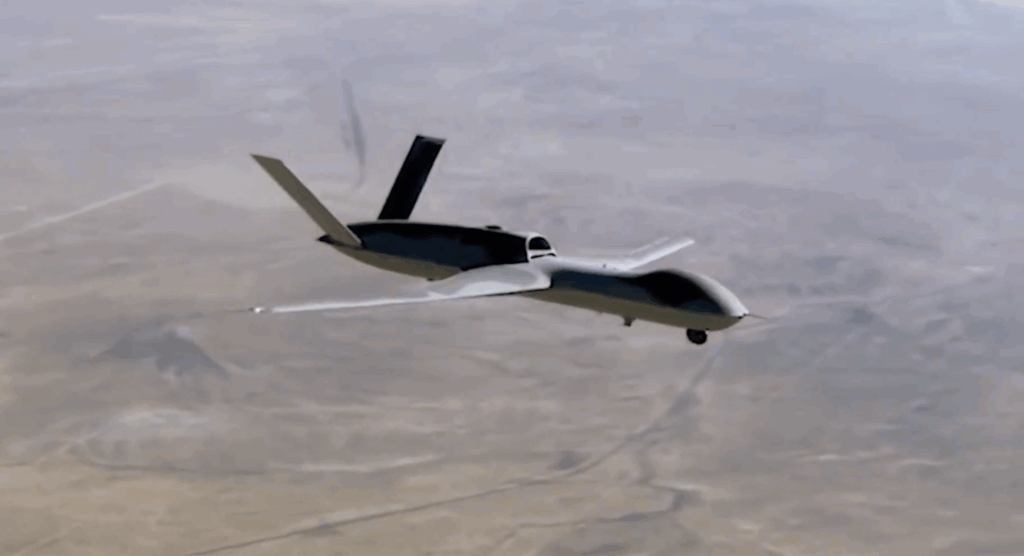
One of the biggest differences would be the role of unmanned systems. Modern drones already perform surveillance and precision strikes, but future versions could become even harder to detect. Advanced camouflage technology might allow aircraft to blend into the sky while artificial intelligence guides them toward their targets with minimal human input. Entire drone swarms could overwhelm traditional defenses before soldiers even realize they are under attack.
Defending against these systems would require equally advanced technology. Engineers are developing compact laser weapons capable of destroying incoming drones, rockets, and missiles almost instantly. Instead of firing conventional ammunition, these systems focus intense beams of energy that can disable threats within seconds. Future soldiers may also rely on increasingly precise weapons designed to improve accuracy over long distances.
Researchers have also explored guided ammunition that can adjust its flight after being fired, increasing the chances of hitting moving targets even in difficult weather conditions. Although many details remain classified, these technologies demonstrate how rapidly warfare continues to evolve. Yet modern conflict would not be limited to bullets and explosives.
Biological threats remain another major concern. Health agencies have identified numerous dangerous bacteria, viruses, and toxins that could potentially be weaponized if international treaties were ignored. While biological agents often lose effectiveness when dispersed through the atmosphere, advances in delivery methods remain a serious security concern. Even the possibility of such weapons adds another dangerous layer to any future global conflict.
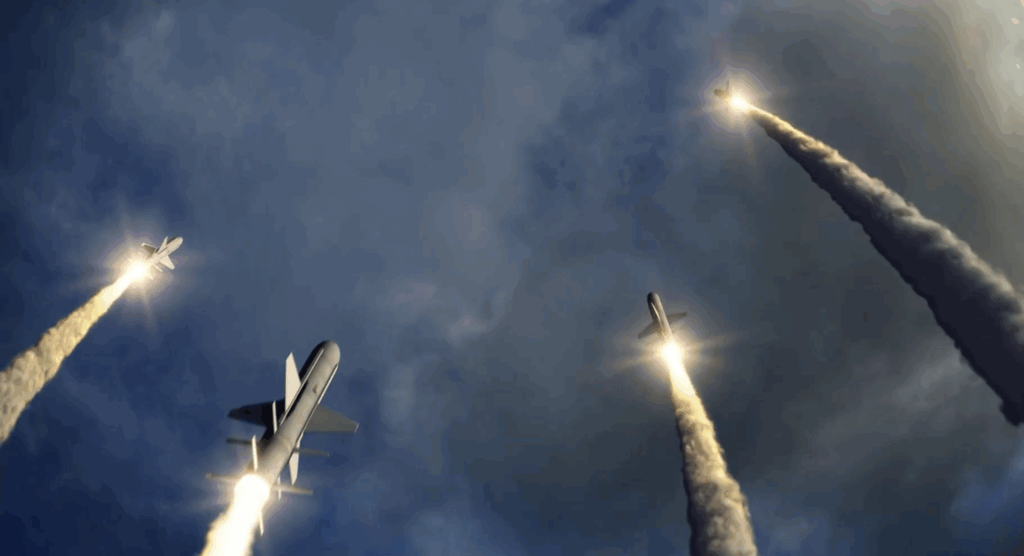
The greatest danger, however, would still come from nuclear weapons. China continues expanding its missile infrastructure while maintaining that it would not launch nuclear weapons first. The United States possesses thousands of nuclear warheads, and Russia maintains one of the world’s largest nuclear arsenals. For decades, the principle of mutually assured destruction has discouraged any nation from crossing that line.
But a large scale cyberattack that disrupted early warning systems or missile defenses could increase the risk of catastrophic mistakes. Even a limited nuclear exchange between major powers would produce unimaginable destruction. A single detonation over a major city could kill hundreds of thousands of people almost instantly. Multiple strikes against population centers around the world would create devastation on a scale never experienced before, reminding humanity why preventing such a conflict remains one of the most important challenges of our time.