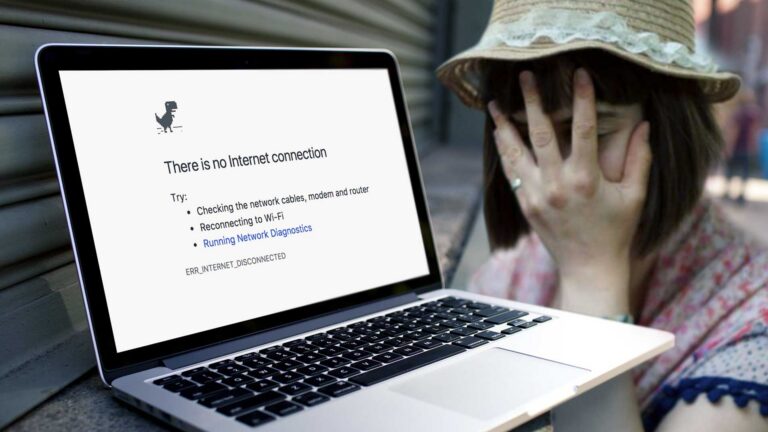
Imagine waking up tomorrow morning and reaching for your phone. You tap your favorite social media app, but nothing loads. You try opening your email, searching on Google, or checking the weather. Every website fails. The Internet has completely disappeared.
No one can get online. No WiFi. No mobile data. No websites. No cloud services.
At first, it might sound like the world’s biggest digital detox. People would finally look up from their screens, spend more time talking face to face, and rediscover activities that don’t involve scrolling. Smartphones would go back to being actual phones, and handwritten notes might replace digital reminders.

For a little while, life might even seem refreshingly simple.
But that feeling wouldn’t last.
The First Hours
Most people rely on the Internet dozens or even hundreds of times every day without realizing it. The moment it disappeared, confusion would spread everywhere.
Millions of people would try calling friends and family instead. Telephone networks could quickly become overwhelmed as everyone attempted to communicate at once.
If those communication systems also failed, people would have no choice but to rely on traditional mail or in person conversations.
Sharing files between computers would suddenly become much harder. Without WiFi or cloud storage, transferring documents would require physical cables, USB drives, or even old CDs.
Technology would seem to jump backward by decades overnight.
Banking Comes to a Standstill
One of the biggest problems would be money.
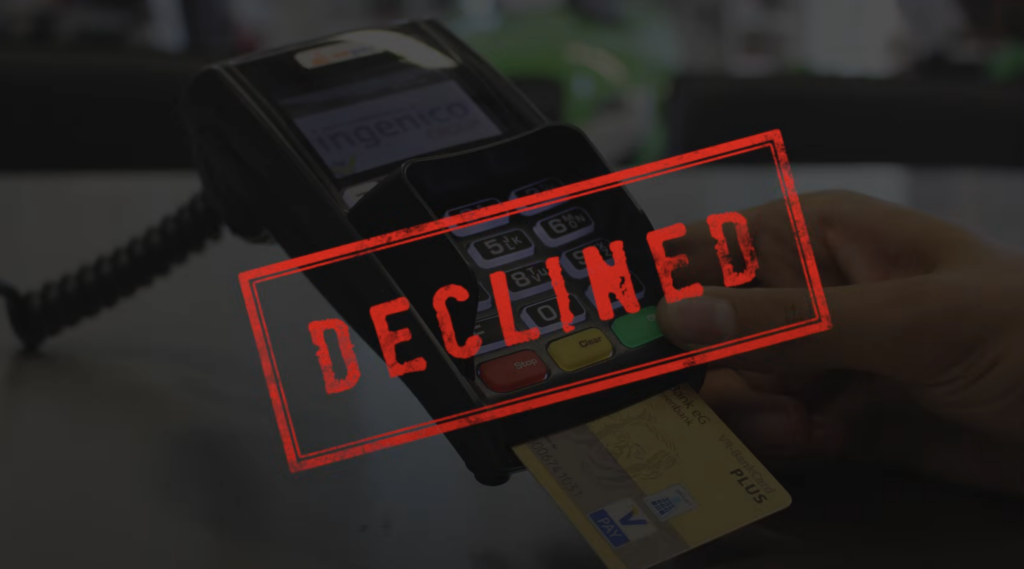
Modern banking depends heavily on Internet connections. Without them, online banking would stop working almost immediately. Electronic transfers would freeze, and payment systems used by stores and restaurants would fail.
Credit and debit cards might stop functioning because they often require online verification before transactions can be approved.
Digital currencies would become inaccessible, since they depend entirely on online networks to verify ownership and process transactions.
Cash would suddenly become one of the few reliable ways to buy everyday necessities.
Businesses Would Struggle
Countless businesses rely on the Internet for nearly every part of their operations.
Online retailers would no longer receive orders. Companies that depend on cloud software would lose access to important files and business tools. Customer support systems, digital advertising, online booking platforms, and remote work would all grind to a halt.

Even businesses that don’t sell products online would feel the effects. Suppliers would struggle to communicate, deliveries would become slower, and inventory systems would fail.
The economic impact would spread rapidly across nearly every industry.
Global Trade Would Slow Down
The Internet quietly keeps the world’s transportation systems connected.
Airlines coordinate flights through online networks. Cargo ships exchange information with ports across the globe. Rail companies and trucking services rely on constant communication to move goods efficiently.
Without these digital connections, tracking shipments would become far more difficult. Many companies would return to paper records and manual scheduling, making deliveries slower and less reliable.
As transportation became less efficient, many products would become more expensive simply because moving them would take longer and require more effort.

Life Would Feel Very Different
Travel would still be possible, but planning a trip would become much more challenging.
There would be no online maps to help you navigate unfamiliar streets. Hotel reservations would require phone calls instead of websites. Finding restaurants or checking reviews would no longer be possible with a quick search.
Streaming services would disappear. Online gaming would stop. Social media platforms would become inaccessible, leaving billions of people disconnected from their favorite communities.
For younger generations who have grown up with constant Internet access, everyday life would suddenly feel unfamiliar.
Could It Really Happen?
A complete global Internet shutdown is extremely unlikely.
The Internet isn’t controlled by a single computer or one giant switch. Instead, it is a massive network made up of millions of interconnected devices, servers, and communication systems spread across the world.

If one section goes offline, data can often be rerouted through countless other paths. This decentralized design is one of the reasons the Internet has remained remarkably resilient for decades.
Some governments have temporarily shut down Internet access within their own borders during emergencies or periods of unrest, but disconnecting the entire planet would require an almost unimaginable series of failures occurring all at once.
For now, the Internet remains one of humanity’s most robust inventions. And until something extraordinary happens, you’ll still be able to search for information, send messages, stream videos, and yes, even order pizza online.