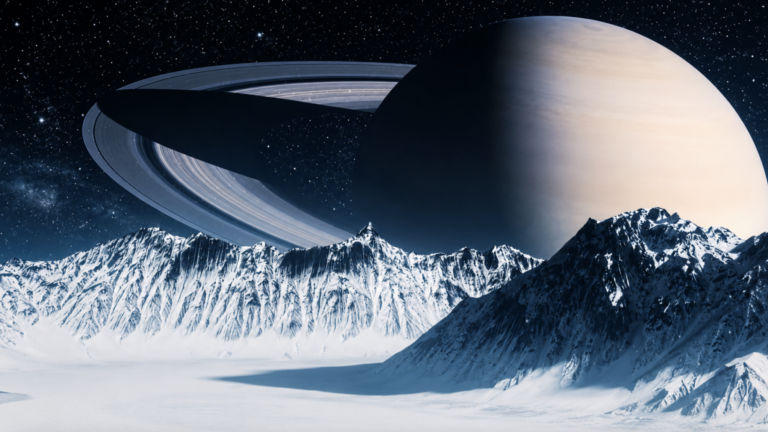
When scientists search for life beyond Earth, Mars usually gets most of the attention. But another world may offer an even better chance of finding extraterrestrial organisms. Orbiting Saturn is a frozen moon called Enceladus, and beneath its icy shell lies an ocean that could contain all the ingredients needed for life.
The question is no longer whether Enceladus is interesting. The real question is whether we are getting close to detecting alien life there.
At first glance, Enceladus seems like one of the most hostile places in the Solar System. Saturn’s sixth largest moon is covered in thick ice, and its surface temperature averages around minus 200 degrees Celsius. It appears completely frozen and lifeless.
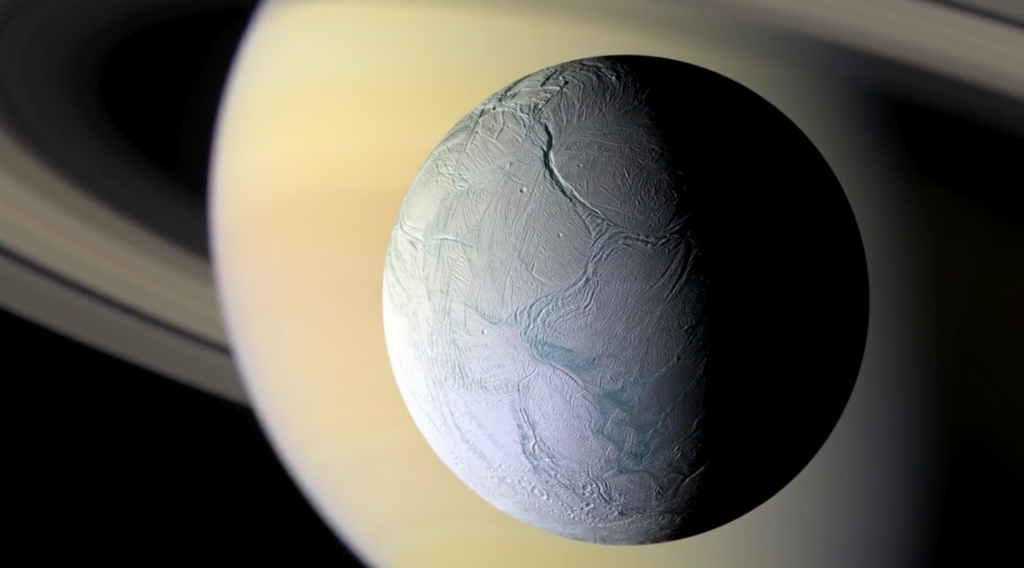
But appearances can be deceiving.
Hidden roughly 40 kilometers beneath the icy crust is a vast liquid ocean that has become one of the most exciting places in the search for life. Scientists now believe this underground sea may closely resemble the environments where life first emerged on Earth billions of years ago.
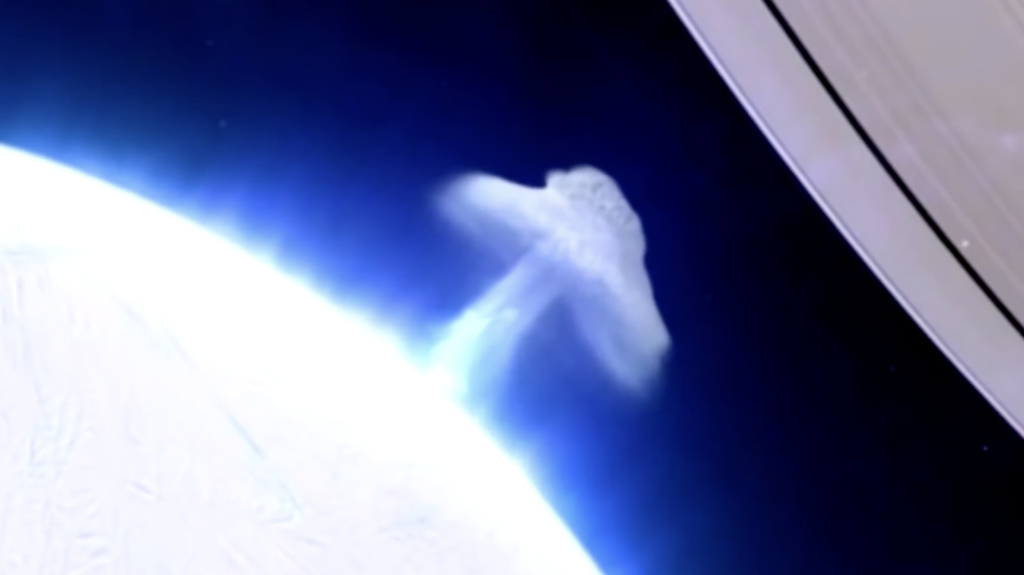
The first major clue arrived in 2005 when NASA’s Cassini spacecraft flew past Enceladus during its mission around Saturn. As it approached the moon’s south pole, the probe detected enormous geysers blasting water vapor and ice particles high into space.
These towering plumes were unlike anything ever seen elsewhere in the Solar System. Some stretched nearly 240 kilometers above the moon’s surface, making Earth’s largest geysers look tiny by comparison.
The discovery changed everything.
Those spectacular eruptions weren’t simply frozen water escaping into space. They were providing scientists with direct samples from the hidden ocean below, allowing researchers to study its chemistry without drilling through kilometers of solid ice.
Cassini’s instruments revealed that the ocean contains salty water along with important chemical compounds. Even more exciting, evidence suggests the seafloor may contain hydrothermal vents similar to those found deep beneath Earth’s oceans.
On our planet, hydrothermal vents release mineral rich, hydrogen filled water that creates ideal conditions for simple organisms to survive without sunlight. Many scientists believe these environments may have played a crucial role in the origin of life itself.
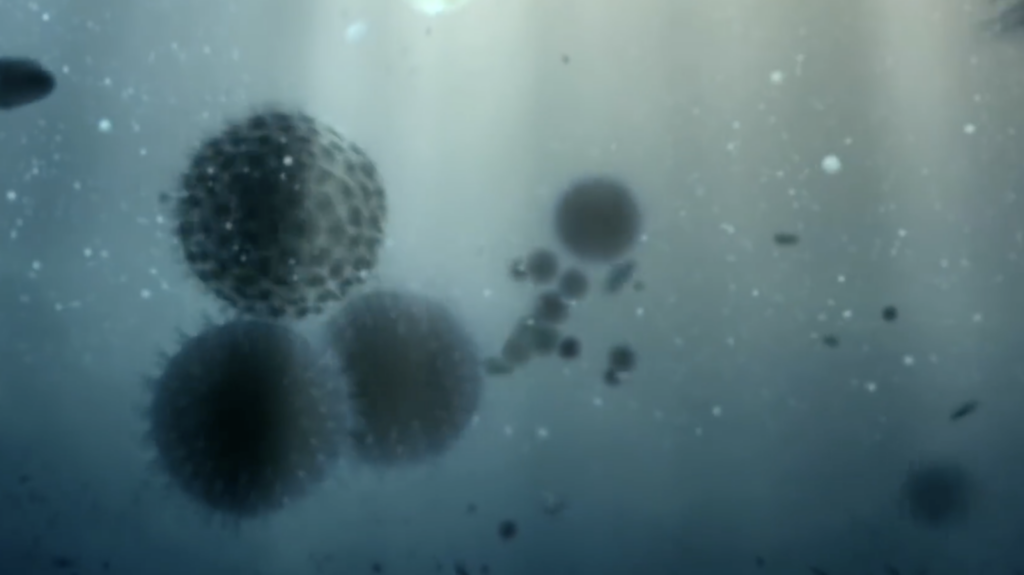
If the same process is happening on Enceladus, the moon could possess everything necessary to support living organisms. Warm water, organic molecules, chemical energy, and liquid oceans are all considered key ingredients for life as we know it.
Timing may also work in Enceladus’ favor.
Earth formed around 4.5 billion years ago, and evidence suggests the earliest life appeared roughly 3.7 billion years ago. Although Enceladus is thought to be much younger at around one billion years old, that could still provide enough time for simple life to develop if conditions have remained stable beneath its icy surface.
Of course, if life does exist there, scientists are not expecting intelligent civilizations or complex creatures swimming through its oceans.
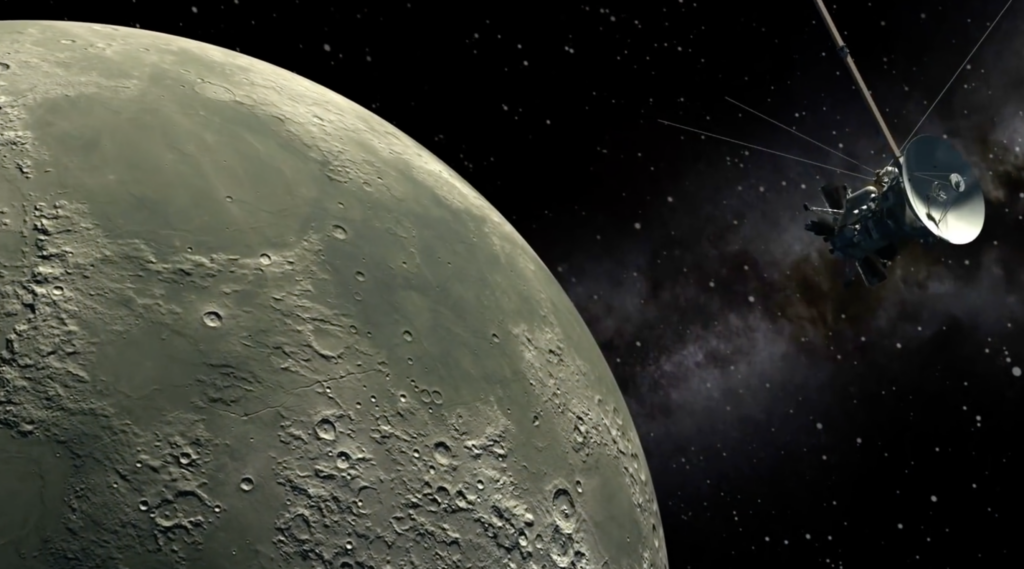
For most of Earth’s history, life consisted entirely of microscopic organisms. If Enceladus followed a similar evolutionary path, any extraterrestrial life forms would most likely be tiny microbes rather than advanced alien species.
The exciting part is that researchers may not need to land on the moon to find them. Future spacecraft could fly directly through Enceladus’ giant water plumes, collecting particles from the underground ocean and analyzing them for biological signatures. If traces of living cells, complex organic molecules, or other unmistakable signs of biology are detected, humanity could finally have its first evidence that life exists beyond Earth.
For decades, the search for aliens has focused on distant planets orbiting other stars. But the first proof that we are not alone may come much closer to home, hidden beneath the frozen surface of a small moon circling Saturn.