When scientists search for alien life, they usually look for planets that resemble Earth. The reasoning is simple. Every known living thing depends on liquid water, carbon based chemistry, and the right temperatures to survive.
But what if that assumption is limiting our search?
The universe contains billions of potentially habitable worlds, yet we have found no confirmed evidence of extraterrestrial life. Perhaps the problem is not that aliens are rare. Perhaps we are looking for the wrong kind of life altogether.
Some researchers have suggested that alien organisms might not be made of flesh and blood. Instead, they could be built from an entirely different element: silicon.
Why Carbon Is the Foundation of Life
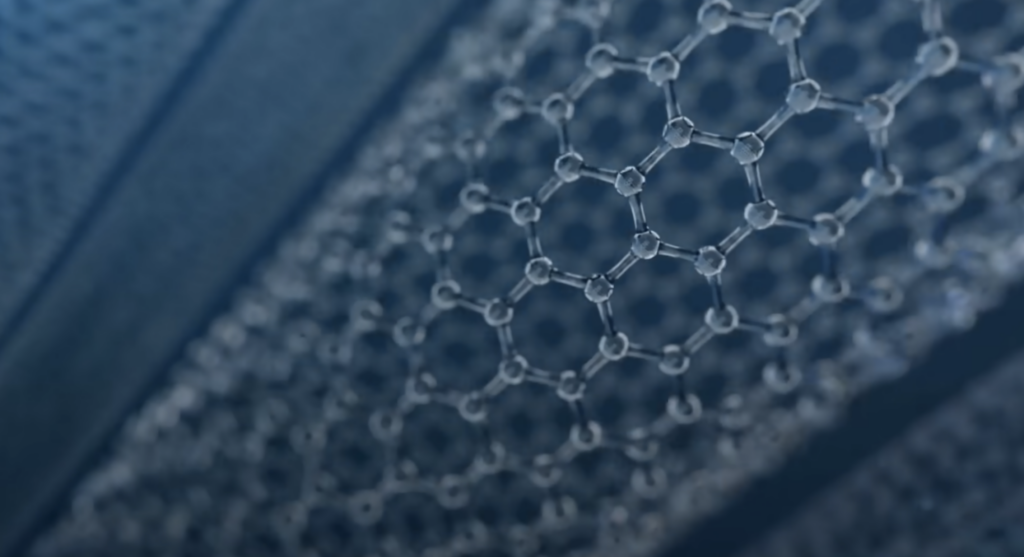
Every living organism on Earth is built around carbon. From human DNA to trees and bacteria, carbon forms the backbone of the complex molecules needed for life.
Carbon is especially useful because each atom can form four chemical bonds. This allows it to create long, stable chains that make proteins, fats, sugars, and DNA possible.
Without carbon, life on Earth would never have evolved.
Silicon Is Surprisingly Similar
Silicon shares many chemical properties with carbon. Like carbon, it can form four chemical bonds and create long molecular structures.
It is also one of the most abundant elements in the universe, making it an obvious candidate for scientists wondering whether alien life could use a different chemical foundation.
If life can exist without carbon, silicon may be its best alternative.
A Moon in Our Own Solar System Could Hold the Answer
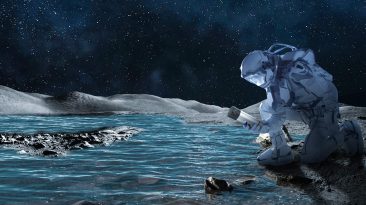
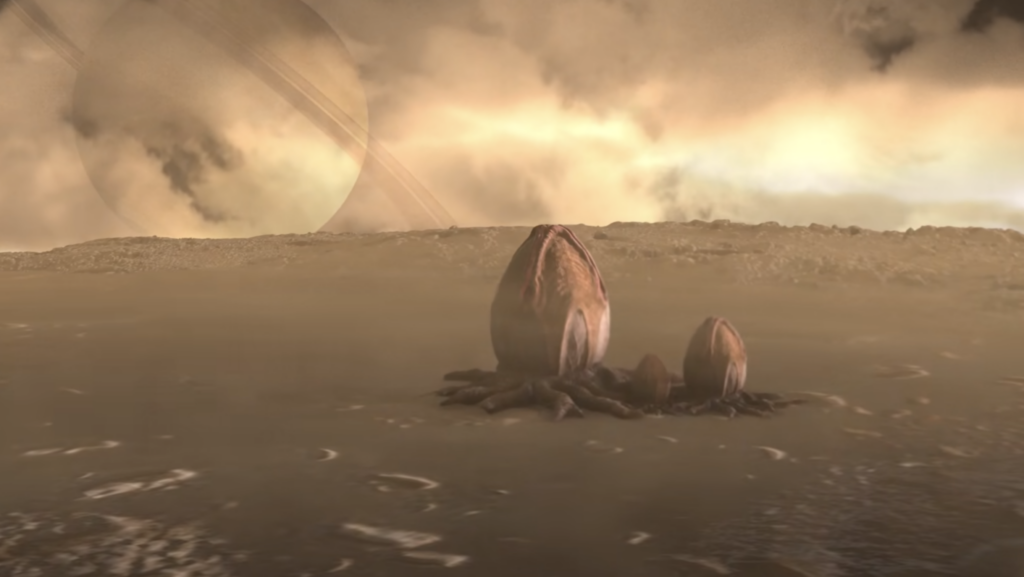
One of the most promising places to search for silicon based life is Titan, Saturn’s largest moon.
Titan has a thick atmosphere made mostly of nitrogen with a significant amount of methane. Unlike Earth, it contains almost no oxygen, and its water is frozen solid because temperatures are incredibly cold.
While these conditions would be deadly for humans, they may not be impossible for a completely different form of life.
Why Oxygen Could Be a Problem
Oxygen is essential for life on Earth, but it presents a challenge for silicon chemistry.
When carbon reacts with oxygen, it produces carbon dioxide, which is a gas. Silicon reacts very differently. When it combines with oxygen, it forms silicon dioxide, better known as silica, which is a solid material found in rocks and sand.
If a silicon based organism lived in an oxygen rich atmosphere like Earth’s, much of its chemistry could become locked into solid minerals instead of supporting life.
Titan’s oxygen free environment makes it a far more suitable place for this possibility.
Would Silicon Aliens Look Like Us?
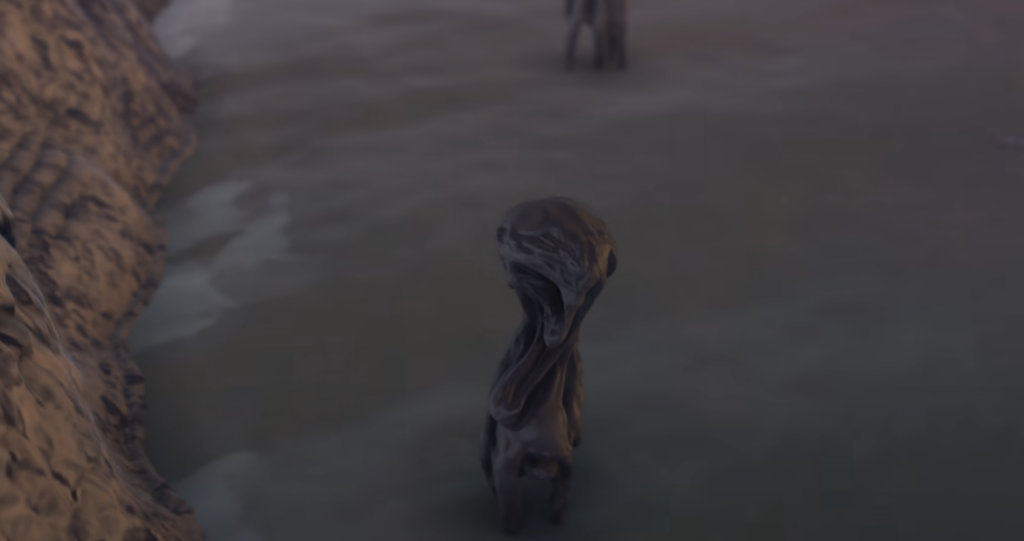
Probably not.
If silicon based life exists, scientists believe it would most likely resemble microscopic organisms rather than intelligent creatures walking across the landscape.
Simple microbes are generally much easier for nature to produce than large, complex animals.
Any silicon life on Titan might spend its entire existence hidden beneath the frozen surface, where internal heat could create a warmer environment.
They Might Not Even Have DNA
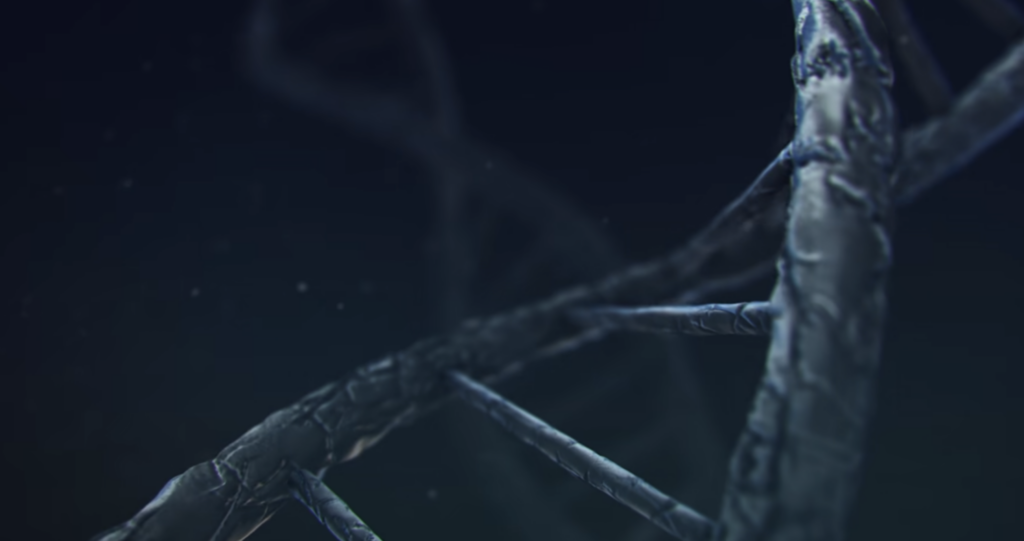
DNA is the instruction manual for every known living thing, but there is no guarantee alien life would use the same system.
Silicon based organisms might store genetic information in an entirely different type of molecule. Their cells, metabolism, and methods of reproduction could be unlike anything scientists have ever observed.
This is one reason why searching for alien life is so difficult. We may not even recognize it when we find it.
Our Definition of Life May Be Too Narrow
For decades, scientists have searched for planets with liquid water because water is essential for life on Earth.
However, Earth represents only one example of how life can exist. The universe may have found entirely different solutions using different elements and different environments.
If alien life is built from silicon instead of carbon, many of the worlds we currently dismiss as uninhabitable could actually be thriving with organisms unlike anything we have ever imagined.
The first extraterrestrial life humanity discovers may not have skin, blood, or even DNA. It might not breathe oxygen or drink water. Instead, it could be a microscopic silicon based organism living beneath the frozen surface of a distant moon.
If that discovery ever happens, it would completely transform our understanding of biology and prove that life in the universe is far more diverse than we ever believed possible.