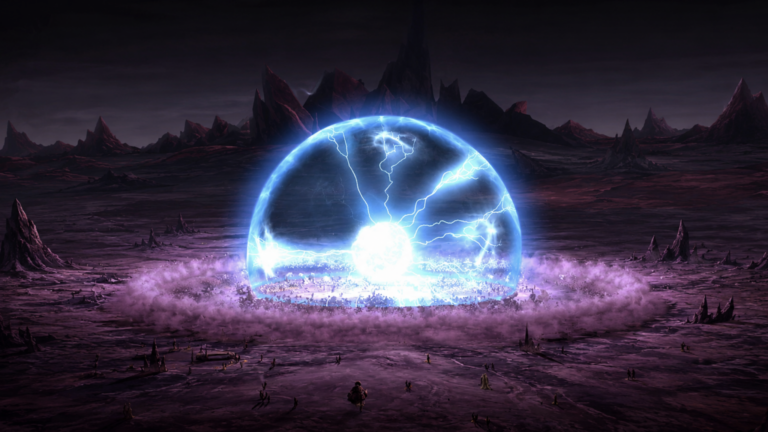
Imagine a weapon so powerful that it does not rely on traditional explosives, nuclear reactions or chemical energy. Instead, it uses one of the rarest substances in the universe: antimatter. Scientists believe that if enough antimatter could ever be collected and controlled, the energy released from a single antimatter bomb could rival the most powerful explosions humanity has ever created.
Antimatter is often described as the opposite of normal matter. Every particle has a matching antiparticle with the same properties but an opposite electrical charge. For example, electrons have negatively charged antimatter versions called positrons, which carry a positive charge instead.

The real danger appears when matter and antimatter meet. When these two opposites collide, they destroy each other in a process called annihilation, converting their mass directly into enormous amounts of energy. This energy is released mainly as high energy gamma radiation, making antimatter one of the most efficient energy sources known.
However, creating an antimatter bomb would be far more difficult than simply collecting the material. The biggest challenge is keeping antimatter away from ordinary matter. Even the smallest contact with a container or surface would trigger an immediate reaction and destroy the antimatter before it could ever be used.
Scientists use specialized devices called Penning traps to store tiny amounts of antimatter. These systems use powerful electric and magnetic fields to suspend particles in space without allowing them to touch the walls of the container. If the power failed, the antimatter would quickly collide with normal matter and disappear in a burst of energy.
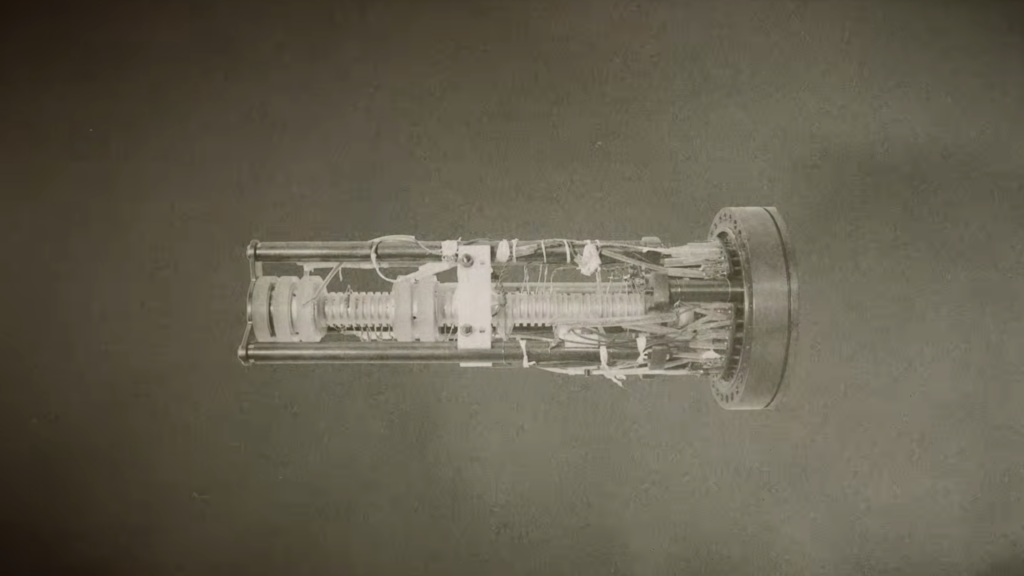
The problem is that humanity can currently produce only incredibly small amounts of antimatter. All the antimatter ever created on Earth would add up to only a tiny fraction of a gram. In fact, the total amount produced by scientists is so small that it would barely create more energy than a simple explosion.
To create a truly devastating antimatter weapon, you would need far more material. About half a kilogram of antimatter would release energy equivalent to roughly 19 megatons of TNT. That is comparable to some of the largest nuclear weapons ever built.
The famous Tsar Bomba, the most powerful nuclear weapon ever detonated, produced an explosion similar to what could be created using around one kilogram of antimatter. A bomb containing this much antimatter would create an enormous fireball, sending a massive shockwave across the surrounding area and producing a towering mushroom cloud reaching high into the atmosphere.
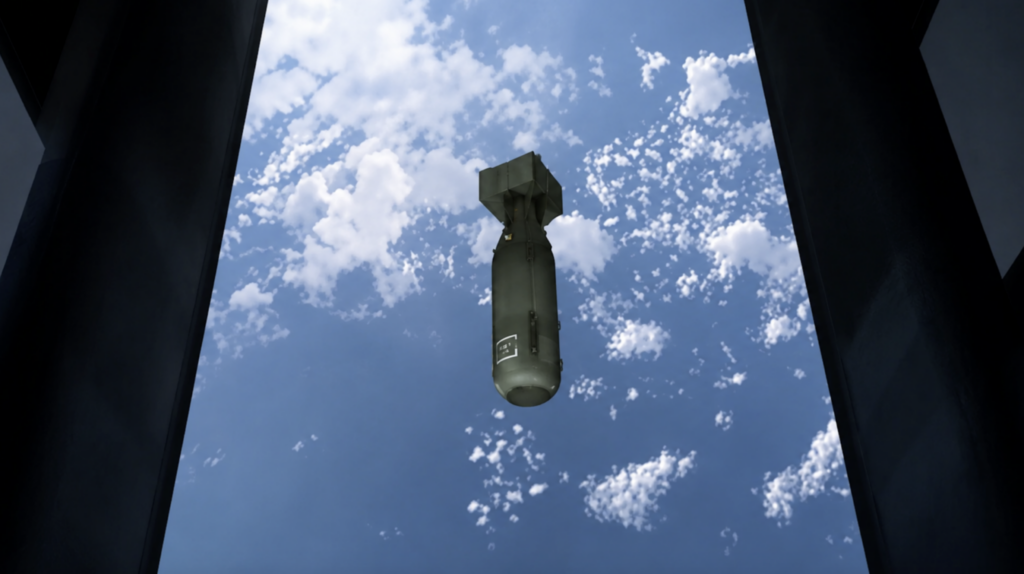
But the biggest obstacle is not only technology. It is cost. Antimatter is considered the most expensive substance on Earth because producing even microscopic quantities requires enormous amounts of energy and highly advanced equipment. Estimates suggest that creating just one gram could cost tens of trillions of dollars.
For now, an antimatter bomb remains firmly in the realm of science fiction. The amount of antimatter needed is far beyond anything humanity can produce or store. Instead of being used as a weapon, antimatter research may one day help scientists develop new technologies for medicine, physics and even future space exploration.
The same substance that could create one of the most destructive forces imaginable could also help us unlock some of the biggest mysteries of the universe. The challenge is learning how to control it before it controls us.