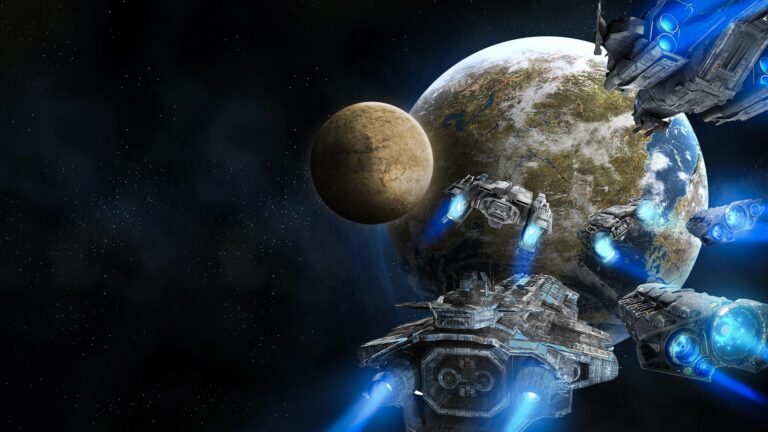
For centuries, humans have looked up at the night sky and wondered what it would be like to stand on another world. We have walked on the Moon, explored Mars with robots, and sent spacecraft to the edge of the Solar System. But what if the next giant leap took us far beyond our cosmic neighborhood? What would it actually be like to step onto an exoplanet for the very first time?
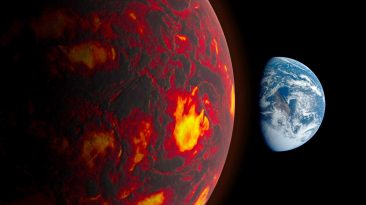
Unlike the planets in our Solar System, exoplanets orbit distant stars. Thousands have already been discovered, and astronomers continue to find more every year. Most are too hot, too cold, or too hostile for human life. But a handful appear to have the right conditions to keep liquid water on their surfaces, making them exciting destinations for future exploration.
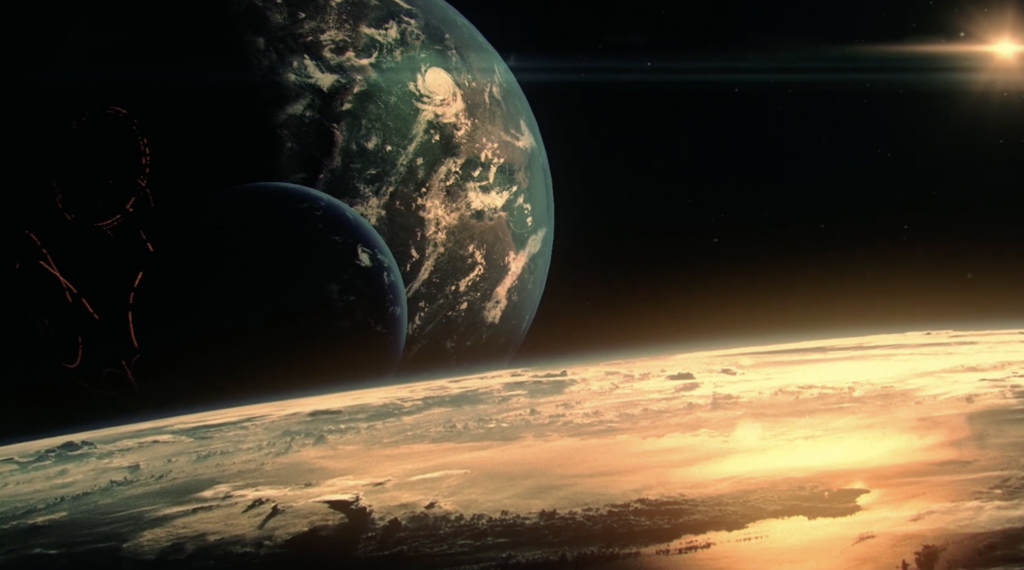
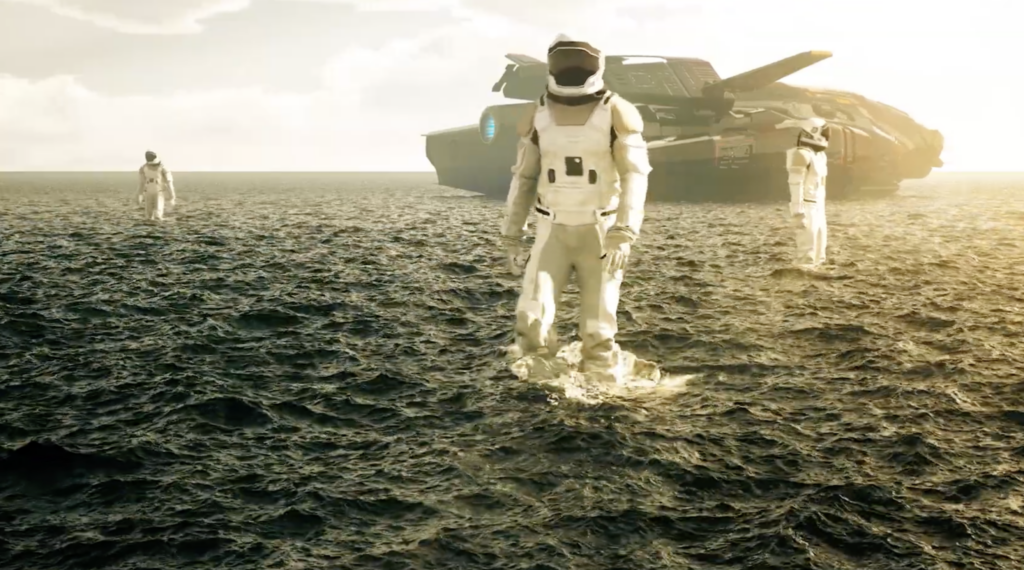
Imagine humanity finally developing a spacecraft capable of crossing the vast distance between stars. After decades of travel, your crew arrives at a rocky planet that looks surprisingly familiar. Mountains stretch across the horizon, clouds drift through the sky, and oceans sparkle beneath an alien sun. For the first time, you are standing on a world that no human has ever touched.
The excitement would be impossible to describe, but the first priority would not be sightseeing. Every step would be carefully planned. Scientists would immediately begin collecting rock samples, measuring atmospheric pressure, and testing whether the air contains enough oxygen to breathe. Even if the planet looked like Earth, appearances could be deceiving.
The atmosphere could contain toxic gases that are harmless to local chemistry but deadly to humans. Gravity might also feel different. If the planet were slightly larger than Earth, every movement would require more effort.
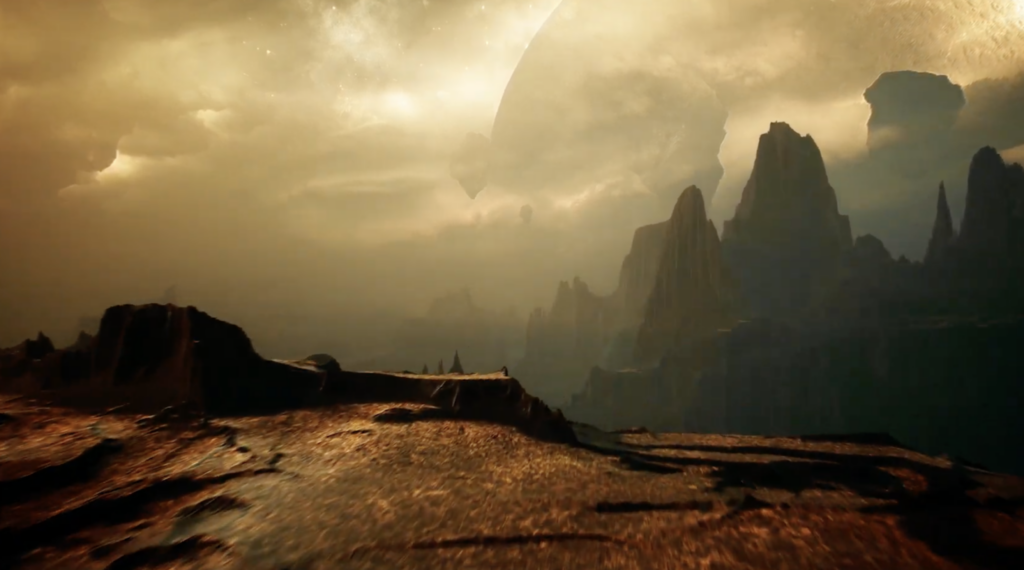
A smaller world would make every jump feel almost effortless, allowing astronauts to cover incredible distances with each step.
The sky itself might look unfamiliar. Instead of our bright yellow Sun, the planet could orbit a small red dwarf star, bathing the landscape in a dim reddish glow throughout the day. Sunsets would be unlike anything seen on Earth, and nearby stars might appear brighter if the atmosphere were thinner.
Weather would become another major challenge. Some potentially habitable exoplanets orbit so close to their stars that one year lasts only a few days. Others are thought to be tidally locked, meaning one side constantly faces the star while the opposite side remains in endless darkness.
If you landed near the permanently sunlit side, temperatures could become dangerously high. Venture too far toward the dark hemisphere, and freezing conditions might quickly threaten your survival. The safest place could be a narrow band between day and night, where temperatures remain relatively stable.
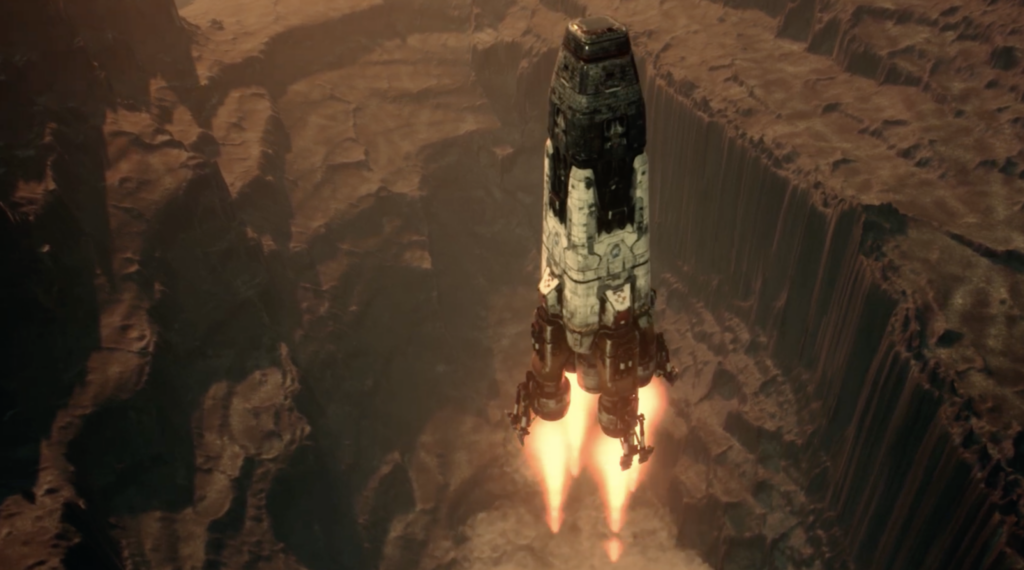
Even if liquid water existed, explorers would still need to determine whether it was safe. Alien microbes, if they existed, could interact with Earth’s biology in unpredictable ways. Likewise, human bacteria might contaminate an untouched ecosystem. Strict quarantine procedures would likely become one of the most important parts of every mission.
The search for life would become the mission’s greatest objective. Scientists would inspect rocks for microscopic fossils, analyze the atmosphere for biological gases, and search lakes or oceans for even the simplest living organisms. Discovering alien life, even tiny single celled microbes, would completely transform our understanding of biology and our place in the Universe.
Building a permanent settlement would present even greater challenges. Every building, power source, greenhouse, and life support system would have to be transported across light years or constructed using local materials.
Food production, radiation protection, and reliable communication with Earth would all become essential for long term survival.
Despite the difficulties, setting foot on an exoplanet would mark one of the greatest achievements in human history. It would prove that humanity is no longer limited to a single star system and could eventually spread across the galaxy.
Until that day arrives, our nearest habitable world remains Earth. Every new exoplanet discovery reminds us that while other worlds may exist, none are as accessible or as well suited to life as the one we already call home. Exploring distant planets may one day become reality, but protecting our own planet remains the most important mission we have.