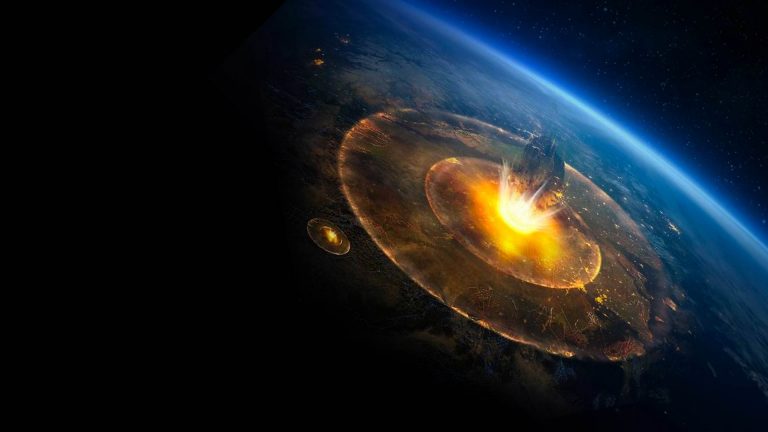
Imagine waking up to the most shocking announcement in human history. Not that an asteroid is heading toward Earth. Not that a supervolcano is about to erupt. But that scientists have calculated the exact day humanity will cease to exist.
There would be no uncertainty. No debate. Just a countdown that every person on Earth could see.
How would civilization react? Would we give up? Or would knowing our fate become the greatest motivation humanity has ever had?

Long ago, astrophysicist J. Richard Gott proposed a statistical argument suggesting that humanity’s future might be shorter than we expect. Using probability rather than astronomy or geology, he estimated there was roughly a 50 percent chance that humanity would disappear before the year 2779. It was never meant as a prophecy, only a mathematical possibility. Yet the idea raises a fascinating question.
What if the calculation turned out to be correct?
The first few years would probably look surprisingly normal. Life would continue as governments debated the prediction while scientists searched desperately for mistakes in the calculation. Some people would dismiss it as nonsense. Others would completely reshape their lives around the countdown.
Every major event would suddenly carry a new meaning.
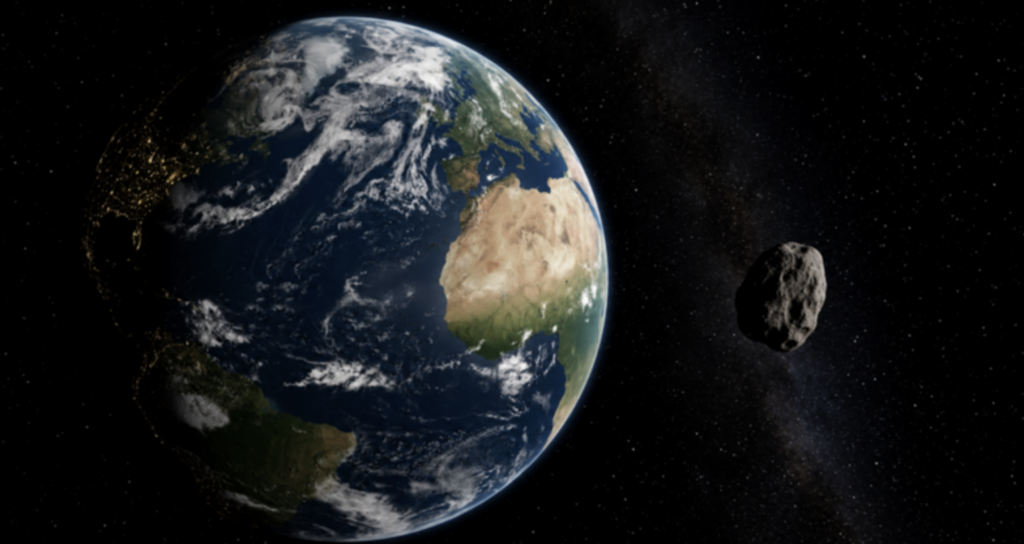
When a large asteroid safely passed close to Earth, humanity would breathe a collective sigh of relief. It would remind us that although space remains dangerous, not every cosmic visitor signals our end. Attention would quickly shift back to the mysterious date that still hung over civilization.
At the same time, technology would continue advancing faster than ever before. Genetic engineering could allow parents to reduce inherited diseases and choose certain biological traits. Artificial intelligence would become deeply integrated into everyday life, while scientists searched for breakthroughs capable of extending humanity’s future beyond its predicted deadline.
Climate change would remain one of humanity’s greatest challenges. Rising temperatures, stronger storms, prolonged droughts, and disappearing ecosystems would force countries to cooperate in ways never seen before. Saving the planet would no longer be about future generations. It would become part of humanity’s desperate attempt to prove the prediction wrong.
As Earth’s population continued growing, resources would become increasingly strained. Coastal cities would invest billions in flood protection while millions of people relocated away from regions made nearly impossible to live in by extreme heat or rising seas.
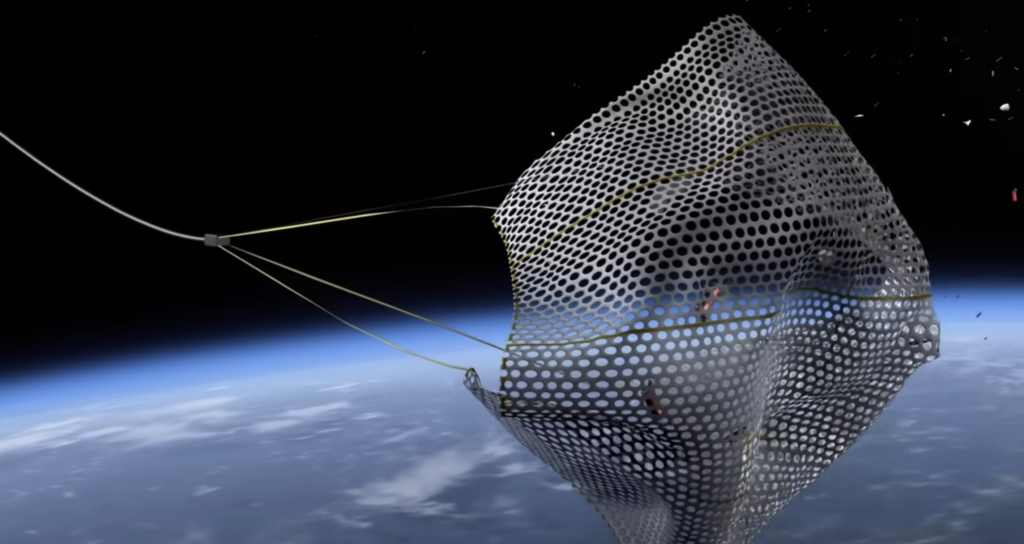
Meanwhile, Earth’s orbit would become increasingly crowded with satellites and debris. Clearing space junk would become essential, because escaping our planet might eventually become our only long term survival strategy.
Permanent settlements on the Moon would likely become humanity’s first true homes beyond Earth. Soon after, Mars would transform from a distant dream into a growing frontier filled with research stations, mining operations, and eventually thriving cities.
Advances in biotechnology would radically change what it means to be human. Artificial organs could replace failing hearts and lungs. Synthetic blood might eliminate shortages in hospitals. Tiny computer interfaces inside the brain could allow people to communicate with machines almost instantly.
Eventually, the line between biology and technology would begin to disappear.
Generations later, humans might enhance themselves with artificial muscles, improved senses, or even brains capable of processing information far beyond today’s limits. Some would embrace these upgrades completely, while others would choose to remain biologically unchanged.

By then, humanity would no longer be confined to Earth. Asteroids would provide valuable metals for construction, while enormous spacecraft powered by advanced propulsion systems ventured toward nearby stars. Robotic probes would explore thousands of distant planets, searching for environments where human civilization could continue if Earth were ever lost.
One discovery would overshadow all others.
Scientists might finally detect undeniable evidence that life exists elsewhere in the galaxy. Even if it were only microscopic organisms living beneath an alien ocean, humanity would know we are not alone.
As centuries passed, civilization could eventually harness nearly all the energy available on Earth. Weather systems might become manageable. Earthquakes could potentially be monitored with unprecedented accuracy. Entire cities might exist beneath the oceans or float high above the surface.
Finally, the predicted year would arrive.
Would humanity actually disappear?
Perhaps Earth would become uninhabitable after centuries of environmental damage. Maybe our descendants would already live among the stars, making Earth’s fate almost irrelevant. Or perhaps humanity itself would evolve into something entirely new through biotechnology, meaning our species technically ended long before the countdown reached zero.
Of course, none of this is certain. Gott’s prediction is based on statistical reasoning, not a known physical process. Other scientific models suggest humanity could survive for thousands or even millions of years if we avoid self inflicted disasters and continue expanding into space.
The most interesting question is not whether the calculation is right.
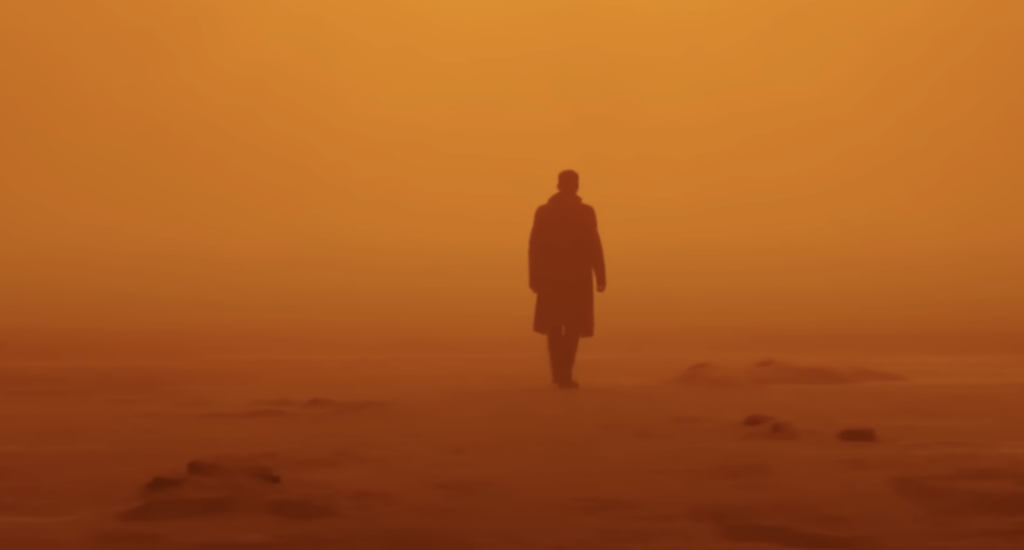
It is how knowing the answer would change us.
Some people might lose hope and stop planning for the future. Others could become reckless, believing nothing they do matters anymore.
But history suggests another possibility.
Faced with impossible odds, humanity often becomes more determined than ever. Instead of accepting extinction, we might unite behind a single mission unlike anything before it. Building self sufficient colonies across the Solar System and eventually other star systems would no longer be an ambitious dream.
It would become the only way to ensure that even if Earth reaches its final chapter, humanity’s story continues somewhere else among the stars.