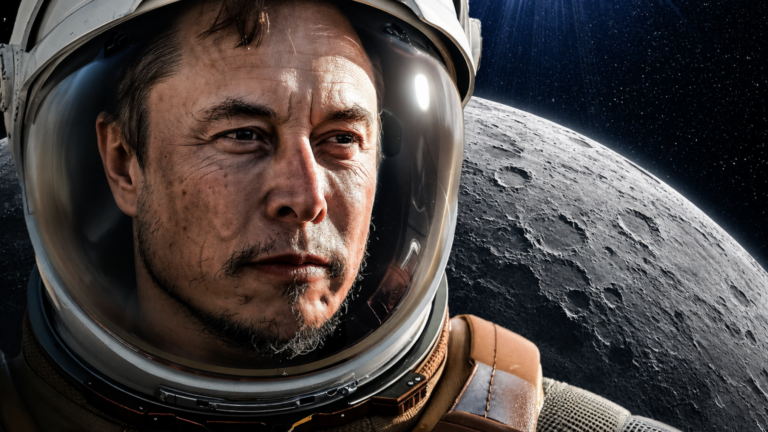
When a SpaceX spacecraft intentionally crashed into the Moon during testing, it sparked plenty of online jokes about Elon Musk “leaving his mark” on our nearest neighbor. Of course, a spacecraft touching the lunar surface is very different from owning it. But what if that changed? What if Elon Musk somehow became the legal owner of the Moon?
The idea sounds like science fiction, yet it raises fascinating questions. Could one of the world’s richest people actually claim an entire celestial body? Would governments allow it? And if Musk controlled the Moon, how would life there be different from life on Earth?
The biggest obstacle would be international law. The 1967 Outer Space Treaty states that no nation can claim the Moon or any other celestial body as its territory. The agreement was designed to prevent countries from competing over space the same way they once competed over land on Earth.
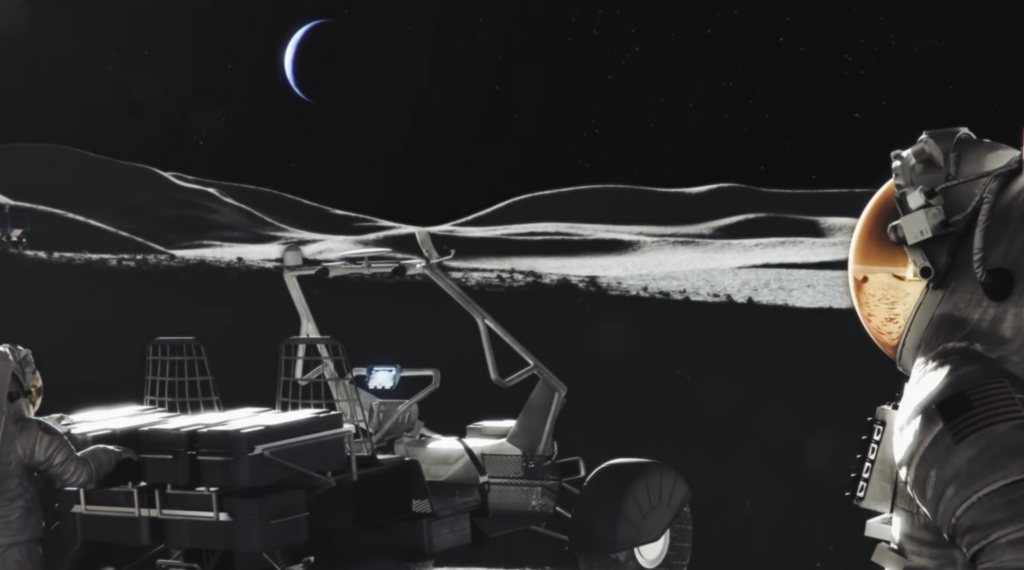
But what about private companies? SpaceX is not a country, so could Elon Musk simply plant a flag and declare the Moon his property?
Not really. Although SpaceX is privately owned, it operates under U.S. laws and international agreements. Any attempt by the company to claim the Moon would be viewed as an action taken under the responsibility of the United States. Other nations would almost certainly reject such a claim, arguing that the Moon belongs to no one.
The political consequences could be enormous. Countries with active lunar programs, including China, India, Japan, Russia, and members of the European Space Agency, would strongly oppose the idea of one person controlling humanity’s closest neighbor. Diplomatic tensions could rise overnight as governments rushed to protect their own interests in space.
If negotiations failed, a new space race could begin. Instead of competing to be the first to land astronauts, nations might compete to establish permanent lunar settlements before anyone else gained influence. Billions of dollars would pour into rockets, mining technology, and lunar infrastructure.
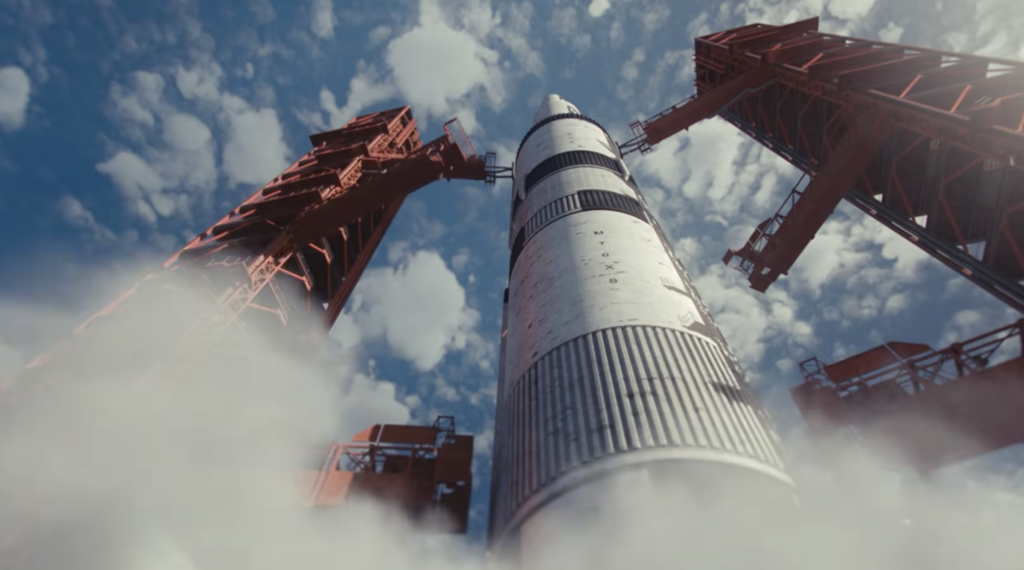
Suppose, somehow, Musk overcame every legal challenge and successfully took control of the Moon. The first priority would likely be building permanent bases using SpaceX’s Starship spacecraft. Huge pressurized habitats could be constructed beneath protective layers of lunar soil to shield residents from dangerous radiation and micrometeorites.
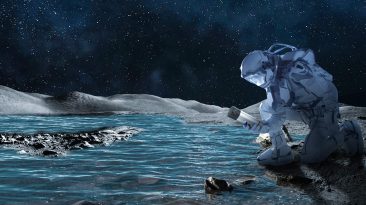
The Moon could become a giant industrial hub. Robots would mine ice trapped inside permanently shadowed craters near the lunar poles. That ice could be converted into drinking water, breathable oxygen, and even rocket fuel, turning the Moon into a refueling station for missions heading to Mars and beyond.
Life there would be unlike anything humans have ever experienced. Residents would live in low gravity, where a person weighing 80 kilograms on Earth would feel only about 13 kilograms. Everyday activities like walking, exercising, and even sleeping would require entirely new routines.
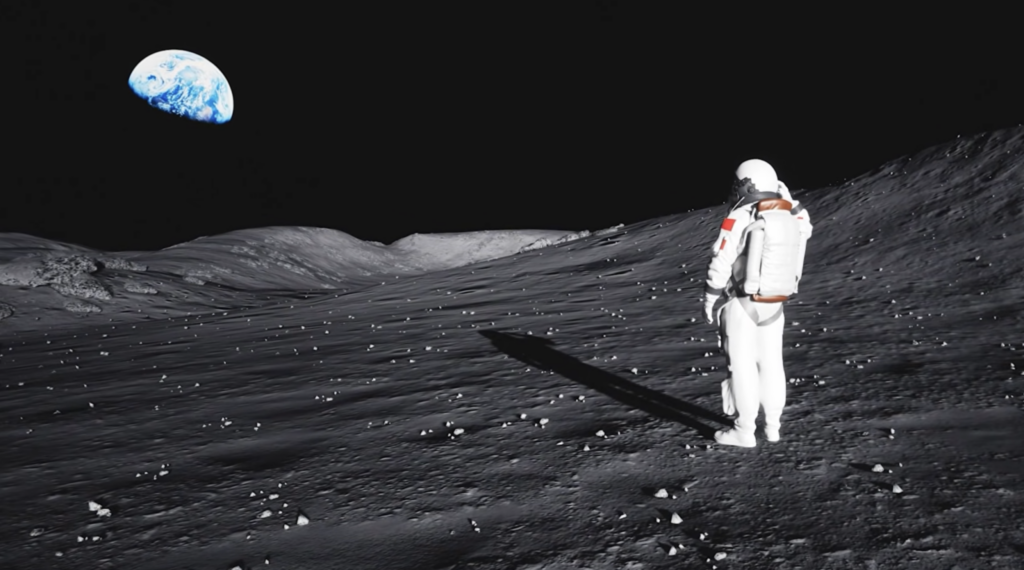
Transportation might look familiar, though. Autonomous electric vehicles inspired by Tesla technology could carry people and equipment across the dusty landscape. Massive solar farms would stretch across the surface, providing energy for habitats, factories, and communication systems.
But owning the Moon would also mean enormous responsibility. Every scientific mission, mining operation, and tourist visit would depend on the rules established by its owner. Charging landing fees or controlling valuable resources could quickly create conflict with Earth governments that believe the Moon should remain open to everyone.
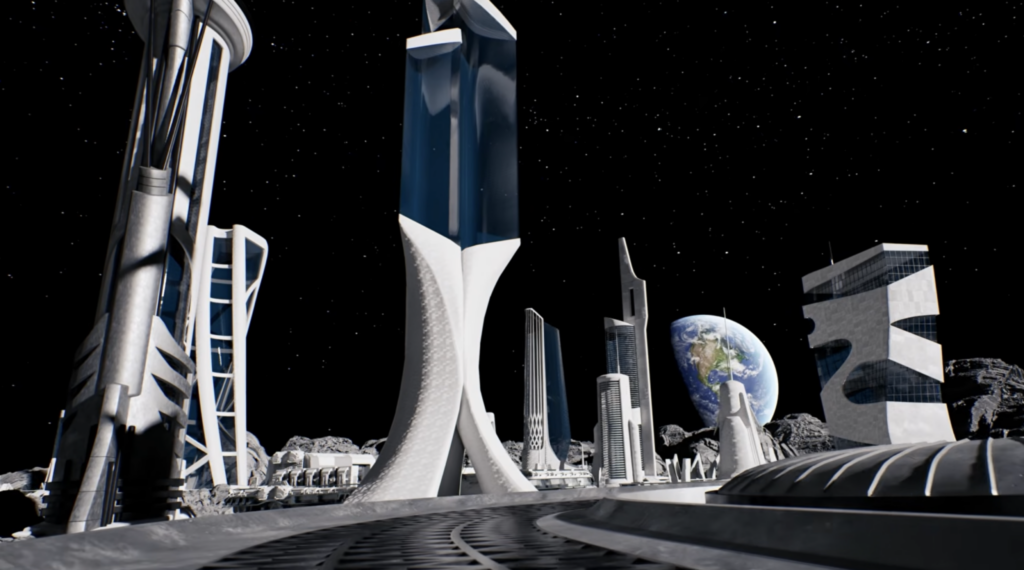
In reality, no individual can legally own the Moon today, and international agreements exist to keep space free from national or private ownership. Still, as commercial spaceflight continues to expand and companies play a larger role beyond Earth, questions about who controls the resources of space will become increasingly important.
For now, Elon Musk may help humanity reach the Moon more often than ever before, but owning it is another challenge entirely. The Moon remains a shared destination, waiting for the next generation of explorers rather than a single owner.