There would be no landing craft on the horizon. No sirens. No declaration on the news.
The first thing you would notice is that your card does not work.
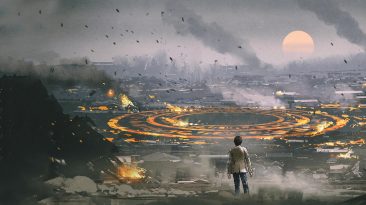
That is how a modern war against the United States would begin, and by the time anyone called it an invasion, the damage would already be spreading.
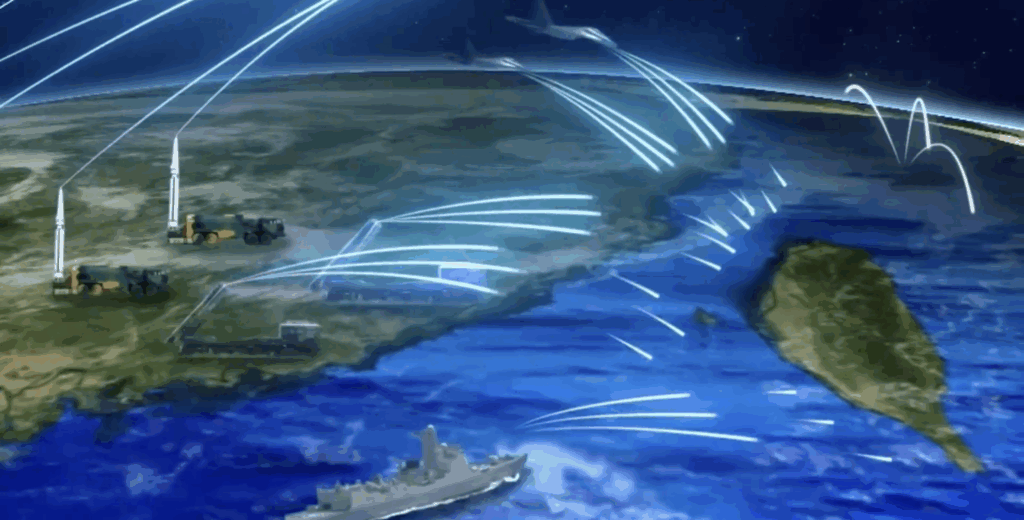
A Chinese invasion of America sounds like a movie pitch. The country has never experienced a foreign invasion of its mainland in modern history, and its geography alone makes it one of the hardest places on Earth to attack.
But suppose the impossible happened. Could America survive it?
The opening moves would come long before any soldier reached American soil, because modern wars are fought with information and technology as much as with tanks and missiles. Power grids, communication networks, banking systems, and transportation would all become targets.
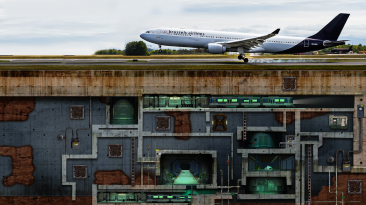
Airports would face disruptions. Financial markets would turn chaotic. Millions would suddenly be unable to access basic services, and daily life would change overnight.
Then comes the genuinely hard part.
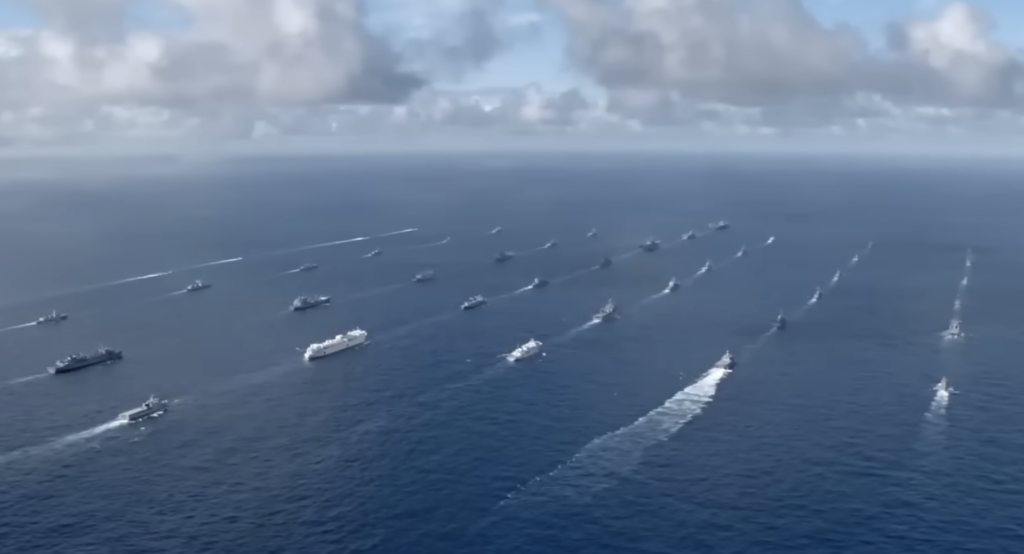
Invading physically means crossing the Pacific, a natural barrier so enormous it borders on absurd. Moving enough troops, equipment, vehicles, fuel, and supplies across thousands of kilometers of open water would be one of the largest military operations ever attempted.
Reaching the coast would only be the start of the problem.
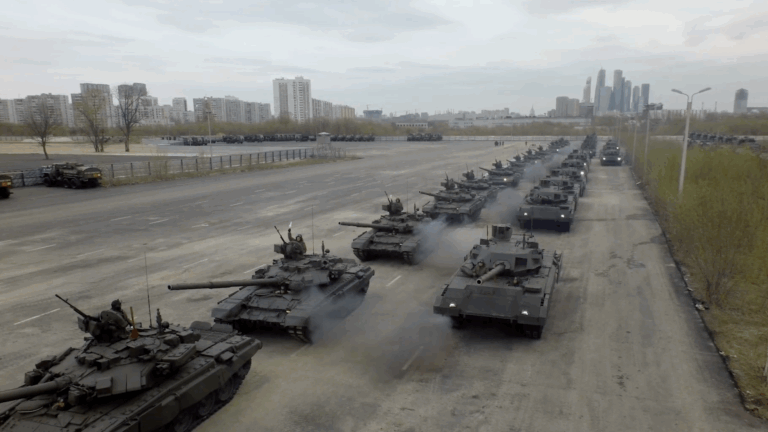
The United States maintains one of the largest military forces on the planet, with bases spread nationwide. Aircraft, ships, and personnel could be redirected toward key regions immediately. Ports and transport hubs would be locked down, and reserve forces mobilized.
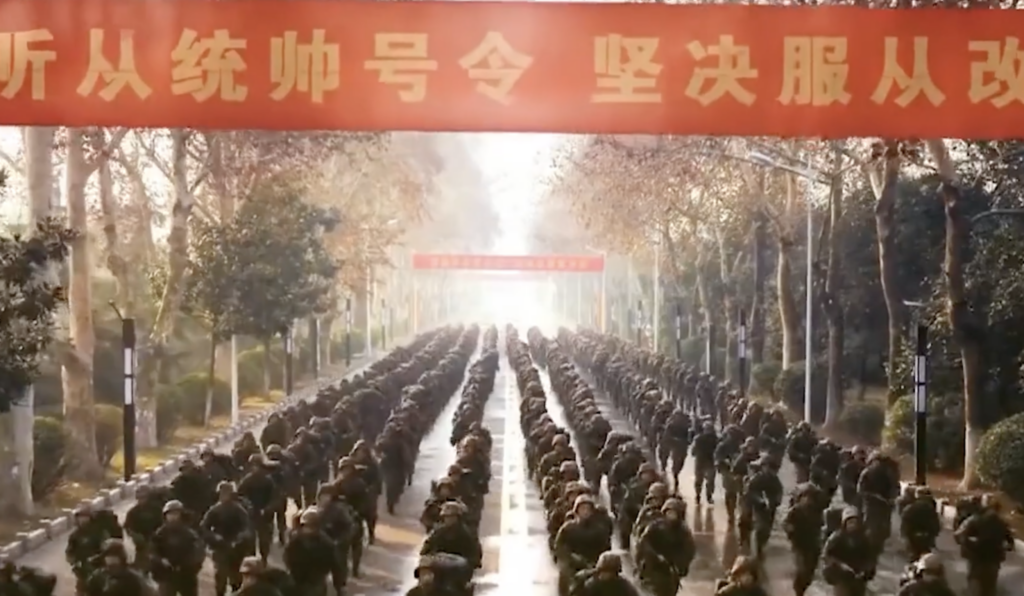
The rest of the world would not simply watch.
The global economy leans heavily on both countries, so markets would plunge and trade routes could collapse. Governments everywhere would face pressure to react, some offering military support, others pushing hard for diplomacy.
Inside America, ordinary people would matter more than expected.
Millions would volunteer however they could, assisting emergency services or supporting logistics. Communities would organize shelters, distribute resources, and protect vulnerable populations. History keeps showing that societies become remarkably resilient once a crisis is undeniable.
Geography would fight for the defenders too. The country stretches across mountains, deserts, forests, and vast plains, and holding even a fraction of it would demand staggering resources. Every supply line needs protecting, and every occupied area creates new problems.
The western coastline would take the worst disruption, with ports closing, transport systems overwhelmed, and
evacuations affecting millions while fear spread faster than official information.
But surviving an invasion is not the same as escaping the damage.
A war between two global powers would slow economic activity dramatically. Shortages would hit everything from electronics to medicine. Businesses would close, and countless families would live under sustained stress.
So the answer is probably yes. Between its geography, military, resources, and ability to mobilize enormous numbers of people, the United States would remain extraordinarily difficult to conquer.
Victory would still cost more than anyone imagines.
That is the real lesson. Modern wars are no longer confined to battlefields. They run through economies, technology, and infrastructure, which is why the first casualty would be your bank access rather than a border.
Between powers this large, nobody wins.
Survival might be achievable. Getting back to normal would be the far harder war.