Whenever conversations turn to the chemistry of life, carbon tends to dominate the discussion, and rightfully so. Every organism we know of on Earth runs on carbon based chemistry, making up close to 18 percent of your body weight, and without it there would be no DNA, no proteins, nothing resembling biology as we understand it. Silicon, meanwhile, rarely gets mentioned in the same breath, despite being one of the most plentiful elements on the planet, forming somewhere between a quarter and nearly a third of Earth’s entire crust.
Speculation about silicon based life is far from a modern idea. Astronomer Julius Scheiner first floated the concept back in the late 1800s, reasoning that carbon and silicon share enough chemical similarity that both elements can build large molecular structures by bonding with oxygen and other atoms, exactly the kind of structural complexity that biology depends on.
Here on Earth, though, silicon takes a very different path than carbon does. Combine it with oxygen and you get silicon dioxide, more commonly known as silica, the primary ingredient in sand and quartz. Silicon can also form silicone based compounds that prove useful in medicine and manufacturing thanks to their flexibility, yet none of that chemistry lends itself to supporting biology.
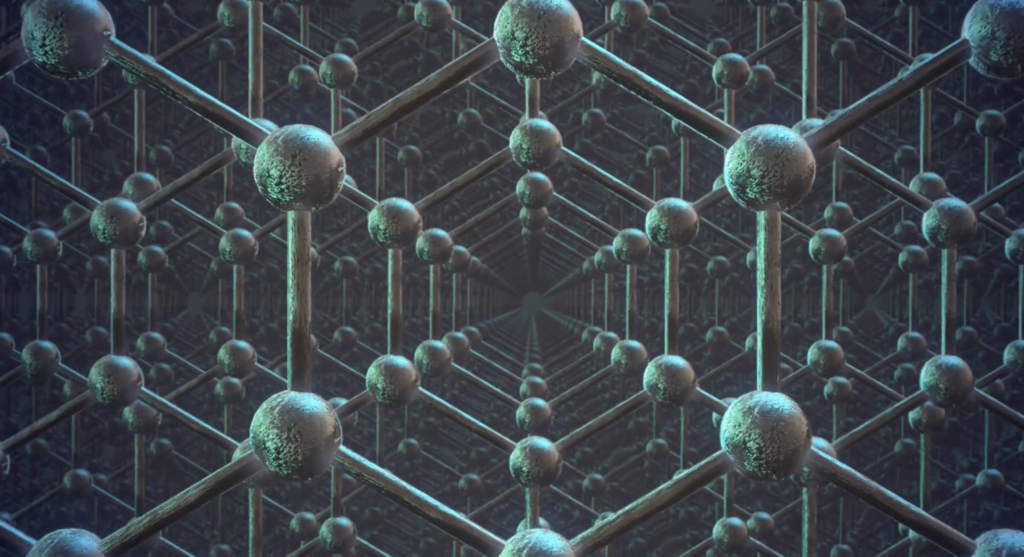
Had life on this planet developed around silicon rather than carbon, the outcome would look almost unrecognizable. Silicon is capable of forming bonds comparable to carbon’s, but those bonds tend to be noticeably weaker and less stable under the conditions Earth actually provides, meaning organisms as complex as humans would probably never have emerged at all.
Rather than developing organs, bones, and defined tissue systems, silicon based life would most likely stay remarkably basic, perhaps never advancing beyond unstable, blob like clusters of chemical matter. Reaching anything close to the complexity of plants or animals would be extremely unlikely, and intelligence on a human level would be an even greater stretch.

Reproduction would present its own serious obstacle as well. Organisms built from silicon would likely struggle to hold their structure together long enough to replicate consistently, since biological chemistry demands a careful balance between flexibility and stability that silicon simply does not manage well under Earth like conditions.
The surrounding environment would need to look completely different too. Liquid water works beautifully as a medium for carbon based chemistry on Earth precisely because it lets molecules move freely and combine into complex structures, but that same water actively destroys many silicon bonds, converting them into solid, mineral like formations instead of anything resembling living tissue.
Supporting silicon based life would require an entirely different liquid altogether, with sulfuric acid frequently proposed as a candidate capable of keeping silicon chemistry stable enough to function. Such a planet, though, would bear almost no resemblance to Earth, defined instead by extreme conditions well beyond anything humans currently experience.
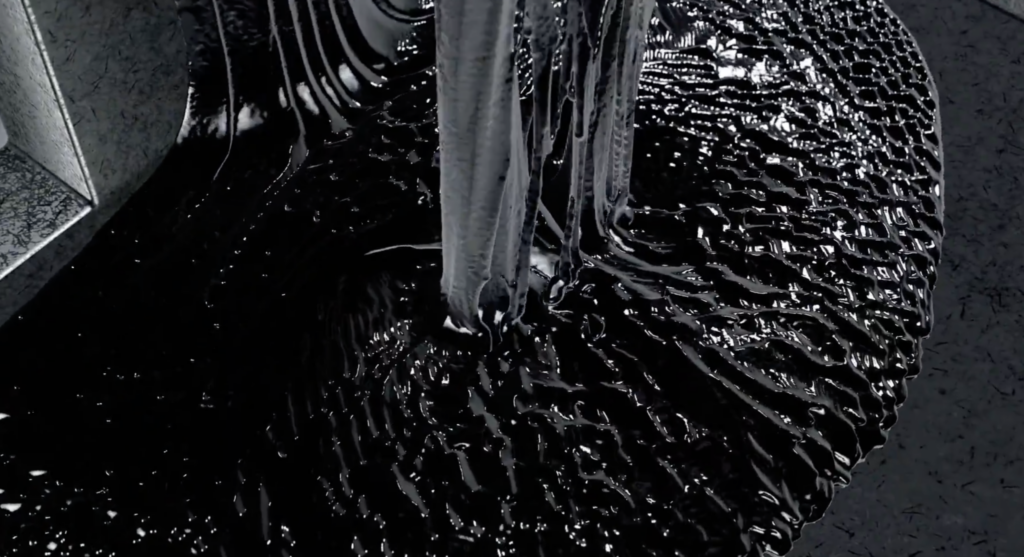
Heat would pose yet another major obstacle, given that silicon melts at roughly 1410 degrees Celsius, equivalent to about 2570 degrees Fahrenheit. Any world capable of hosting silicon based life would almost certainly need to be scorching hot and chemically brutal, nothing like a planet with oceans, forests, or air a person could breathe.
Under conditions like those, evolution progressing toward intelligent, complex beings comparable to humans becomes highly improbable. Silicon based organisms might manage to stay simple and even widespread across such a world, yet the jump toward genuine civilization would run into overwhelming chemical and environmental barriers.
Ultimately, examining the possibility of silicon based life only underscores how remarkable carbon chemistry truly is. Earth happened to offer exactly the right conditions for carbon to flourish, giving life the room to grow, diversify, and eventually think for itself, and that combination of circumstances is precisely how the world we recognize today came into being, shaped from an element that seems simple on paper yet turned out to be anything but.