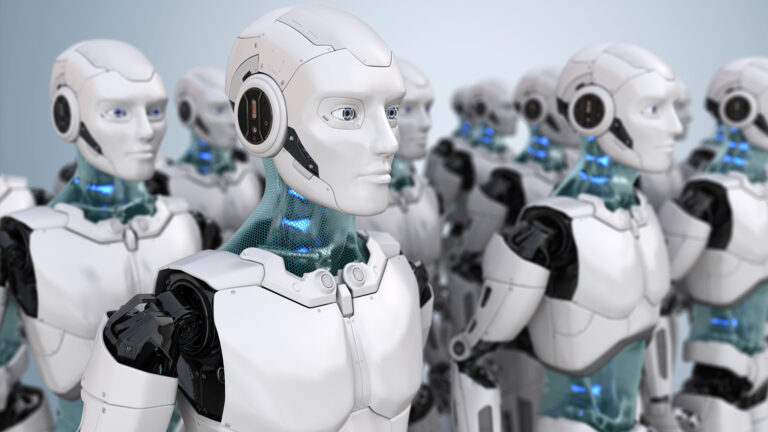
When people picture AI going wrong, they picture the film version. Robots in the streets, computers waking up, humanity ending up in service to its own inventions.
That’s probably not how it goes.
The real disruption is much quieter, and considerably harder to argue with. AI doesn’t need to conquer anything. It just needs to become slightly better than you at the thing you get paid for.
And that process has already started.
None of this is unprecedented, to be fair. Machines reshaped agriculture. Factories rewrote manufacturing. Computers gutted and rebuilt the office. Every one of those shifts killed off certain jobs while inventing others nobody had imagined.
AI looks like the next entry on that list, with one difference worth paying attention to.
Earlier machines mostly replaced physical labor. What’s arriving now handles analysis, pattern recognition, and decision making. Systems already write reports, read medical images, answer customer questions, and help write software.
Which means the exposure has moved. Medical technicians, administrative staff, accountants, customer service representatives, plenty of roles that felt safe a decade ago, could find pieces of their work handled by software.
Framed properly, that doesn’t have to sound bad.
Picture dangerous and repetitive work handed off to machines. Robots doing the jobs that injure people, while humans get to spend their time on something more interesting.
Genuinely appealing. Economic transitions just rarely arrive that neatly.
Think about what actually happens when AI absorbs the routine parts of your job. At first it’s a gift. Tasks that ate your afternoon get done in seconds, and you become more productive than you’ve ever been.
Then the arithmetic catches up.
If the same amount of work needs fewer people, competition for the remaining positions gets fierce. Employers hire less and expect the software to cover the difference.
And as automation gets cheaper, companies keep adopting it, because these systems run continuously and produce remarkably consistent results.
The effects spread past individual careers pretty quickly. Large numbers of displaced workers put real strain on social systems, with tax revenue falling as unemployment climbs while demand for assistance programs rises.
Meanwhile the businesses that got the technology right become more productive and more profitable than before.
Which leaves an uncomfortable question sitting in the middle of everything. If machines are generating much of the wealth, who is supposed to receive it?
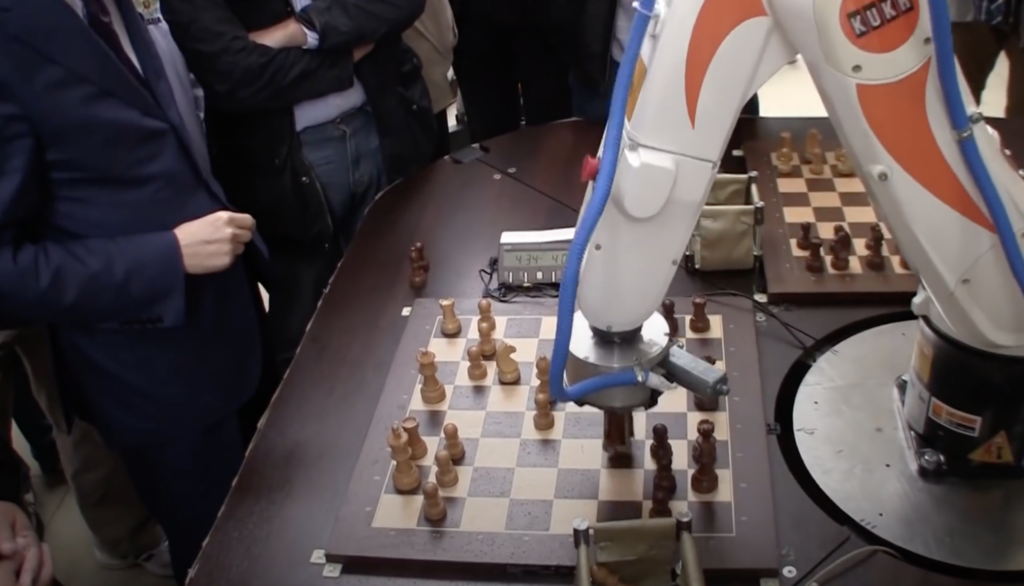
Some experts think automation widens inequality, with companies able to invest heavily in AI pulling ahead while people whose jobs vanish struggle to find footing.
That outcome isn’t guaranteed, though.
There are things humans still do that machines handle badly. Creativity, empathy, negotiation, leadership, teaching, and the messy business of dealing with other people.
And people still want people. A good teacher does something beyond transmitting information. Healthcare workers offer reassurance when someone is frightened. Artists, designers, and founders work from imagination that doesn’t reduce cleanly to code.
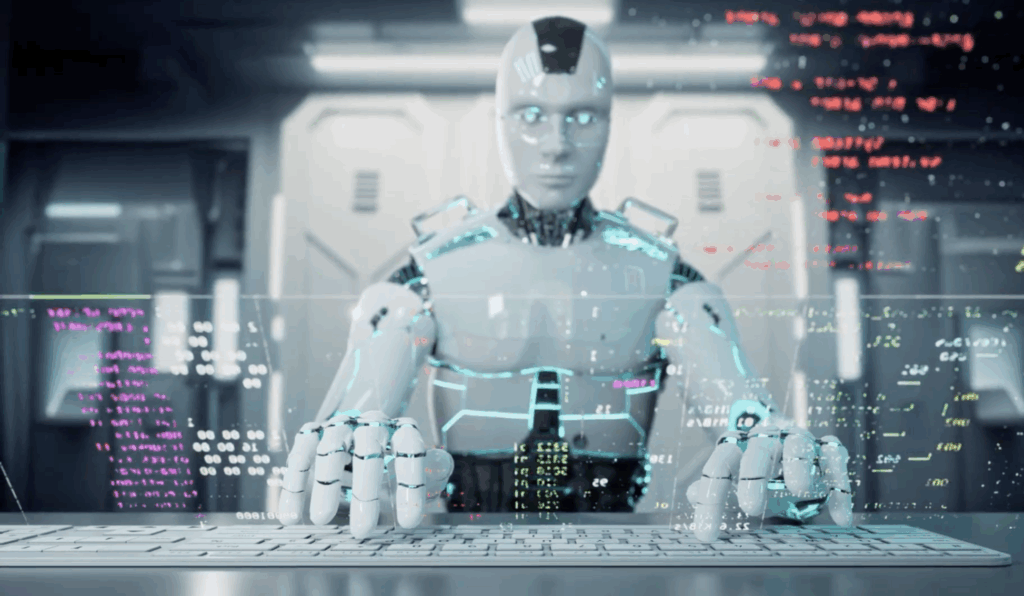
So the future may not be humans against machines at all. It may be a partnership, with AI processing enormous volumes of information at speed while people concentrate on strategy, creativity, emotional judgment, and problems that have never come up before.
Education would need rebuilding for that. Learning one profession at twenty and riding it to retirement stops working when industries reshape themselves every few years.
Governments and businesses face their own hard calls, and policies around retraining, innovation, and helping people adapt are going to matter enormously over the coming decades.
Which brings the whole thing back to the real risk.
The danger was never that machines get smarter than us. It’s whether society manages to change at the same speed as the technology it keeps building.
AI could transform medicine, lift productivity, and crack problems that looked permanent. Handled carelessly, it could also widen the gap between people who own the systems and people replaced by them.
We’ve absorbed transformative inventions before and come out fine. The question this time isn’t whether machines replace humanity.
It’s whether we can work alongside them without leaving most people behind.